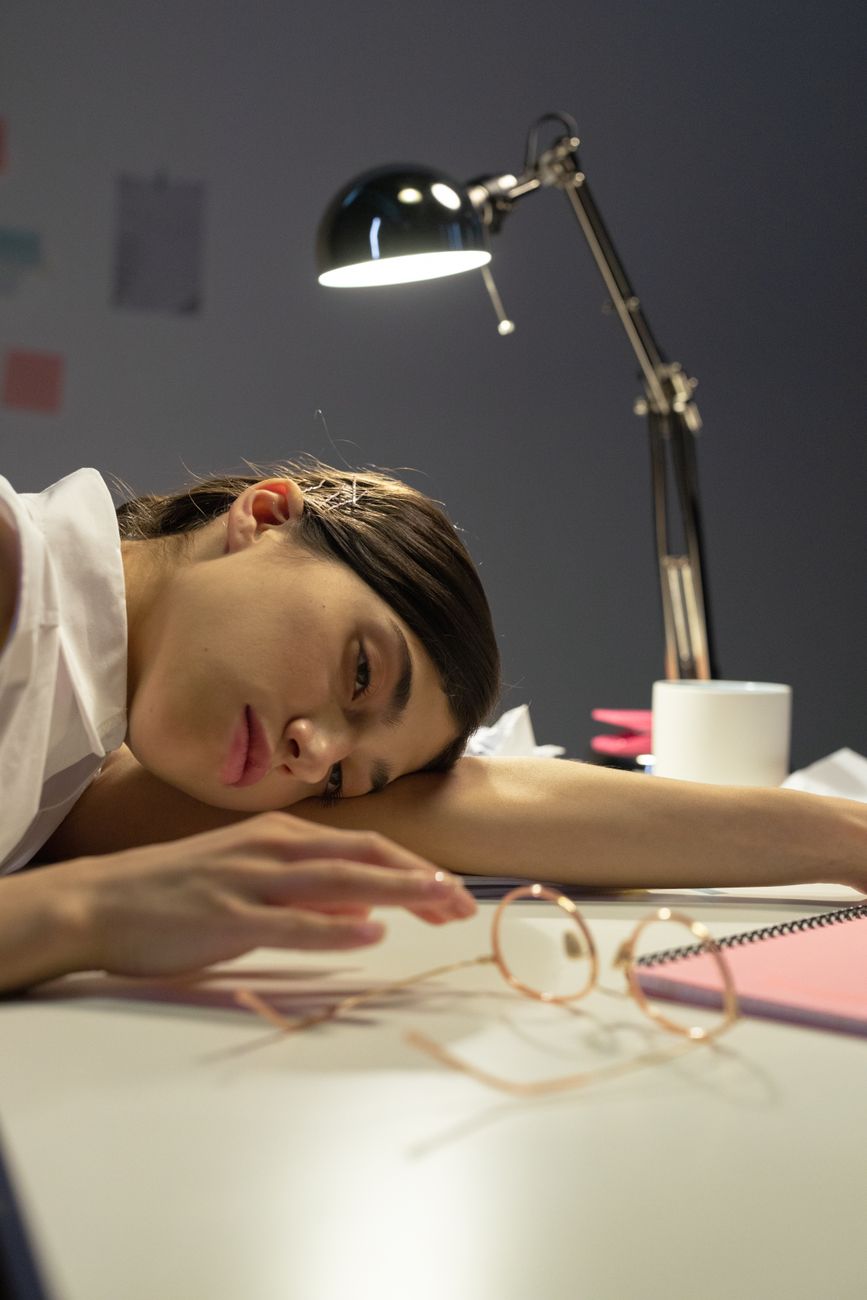
Understanding the Gender Gap in Workaholism
While work addiction and professional stress affect individuals across all genders, research indicates that women are significantly more susceptible to workaholism and its associated health risks. Studies reveal that women working over 45 hours per week face a heightened risk of developing diabetes, a correlation not observed in men who work similar hours. This disparity highlights how professional demands impact genders differently.
The Hidden Pressures Facing Women at Work
The increased vulnerability to work-related health issues among women is often driven by systemic workplace challenges and societal expectations. Women frequently report higher levels of stress, anxiety, and depression due to gender bias and the double burden of professional and domestic responsibilities. Many feel compelled to work twice as hard as their male counterparts simply to receive equal recognition or career advancement.
The Psychological Toll of Proving Worth
In addition to unequal pay and a lack of managerial support, many women experience the pressure of having to appear indestructible to be deemed worthy of consideration. This constant drive to perform perfectly under unequal conditions leads to severe physical and emotional exhaustion, ultimately fueling a cycle of work addiction that compromises long-term well-being.
Leave a Reply