Navigating the modern nutritional landscape often feels like an endless cycle of decoding complex diet fads and contradictory health claims. From low-carbohydrate protocols to strict intermittent fasting schedules, popular dietary trends frequently capture public attention only to fall short on long-term sustainability. However, amidst this sea of changing advice, a broad scientific consensus has emerged: eating patterns centered on whole, minimally processed plant foods offer a reliable, evidence-based pathway toward lifelong vitality and disease prevention.
The Whole-Foods, Plant-Based eating pattern is not a restrictive short-term cleanse or an all-or-nothing philosophy. Instead, it represents a foundational lifestyle framework that prioritizes nutrient-dense botanical foods while minimizing ultra-processed items, refined sugars, and industrial oils. By working in harmony with human physiology, this approach nourishes the body at a cellular level, supports a resilient metabolic system, and protects against chronic illness.
Whether your goal is managing weight, optimizing cardiovascular health, boosting daily energy, or fostering a healthier relationship with food, shifting toward a plant-centric lifestyle offers profound benefits. This detailed deep-dive explores the core principles of plant-based nutrition, breaks down the scientific evidence supporting its health benefits, and provides actionable guidance to help you transition seamlessly and sustainably.
Understanding the Whole-Foods, Plant-Based Framework
To fully appreciate the Whole-Foods, Plant-Based framework, it is helpful to clarify a common misconception: WFPB is not identical to strict veganism or vegetarianism. While traditional vegan diets completely eliminate all animal products for ethical, environmental, or personal reasons, they do not automatically guarantee high nutritional quality. Ultra-processed snack foods, refined sugary beverages, and synthetic meat substitutes are technically vegan, yet they lack the vital nutrients necessary for optimal cellular health.
In contrast, a WFPB eating pattern is defined by the quality and integrity of the foods consumed. The term whole foods refers to ingredients that remain as close to their natural state as possible, undergoing minimal processing without synthetic additives, artificial preservatives, added sugars, or extracted oils. Plant-based indicates that the vast majority of daily caloric intake comes from botanical sources, including vegetables, fruits, whole grains, legumes, tubers, nuts, and seeds.
Flexibility is a key advantage of the WFPB lifestyle. While many individuals choose to consume plant foods exclusively, others adopt a flexitarian approach, incorporating small quantities of high-quality animal products, such as pasture-raised eggs or wild-caught fish, as secondary accents rather than main features. The primary focus remains on maximizing nutrient density by fueling the body with fiber, vitamins, minerals, and protective antioxidants.
Scientifically Backed Health Benefits of Plant-Centric Nutrition
Decades of epidemiological research and clinical trials demonstrate that centering your diet on whole plant foods delivers wide-ranging benefits across nearly every system in the body. Below are the key health outcomes associated with plant-dense nutrition:
- Cardiovascular Protection: Diets rich in whole plant foods significantly lower low-density lipoprotein (LDL) cholesterol, reduce systemic blood pressure, and improve vascular health, drastically reducing the risk of heart disease.
- Weight Optimization and Satiety: High in natural dietary fiber and water content, whole plant foods provide high volume with moderate caloric density. This promotes natural satiety through gastric stretch receptors, supporting healthy weight management without restrictive calorie counting.
- Enhanced Insulin Sensitivity: Consuming fiber-rich grains, legumes, and produce helps stabilize blood glucose levels, improves insulin responsiveness, and substantially lowers the risk of developing type 2 diabetes.
- Gut Microbiome Support: Prebiotic fibers and resistant starches found in whole plants feed beneficial gut bacteria. These microbes produce short-chain fatty acids like butyrate, which strengthen the gut lining and regulate immune function.
- Reduction in Chronic Inflammation: Whole plant foods contain high concentrations of anti-inflammatory polyphenols and phytochemicals that neutralize free radicals and reduce systemic inflammatory markers.
- Longevity and Disease Prevention: Population studies of long-lived communities worldwide consistently reveal a shared dietary foundation built around whole grains, beans, greens, and seasonal produce.
These biological benefits stem from the natural synergy of intact plant nutrients. Unlike isolated supplements, whole plant foods deliver fiber, essential fatty acids, and micro-nutrients in ratios that enhance nutrient absorption and cellular protection. By displacing hyper-palatable processed foods, a plant-based approach helps reset internal hunger cues and restores metabolic balance.
Building Your Pantry: What to Eat and What to Limit
Transitioning to a whole-foods, plant-based diet does not require advanced culinary skills, but it does benefit from intentional kitchen organization. Keeping your pantry and refrigerator stocked with versatile, wholesome ingredients makes daily meal assembly effortless and enjoyable. Focus on filling your kitchen with colorful, intact ingredients that serve as building blocks for nourishing meals.
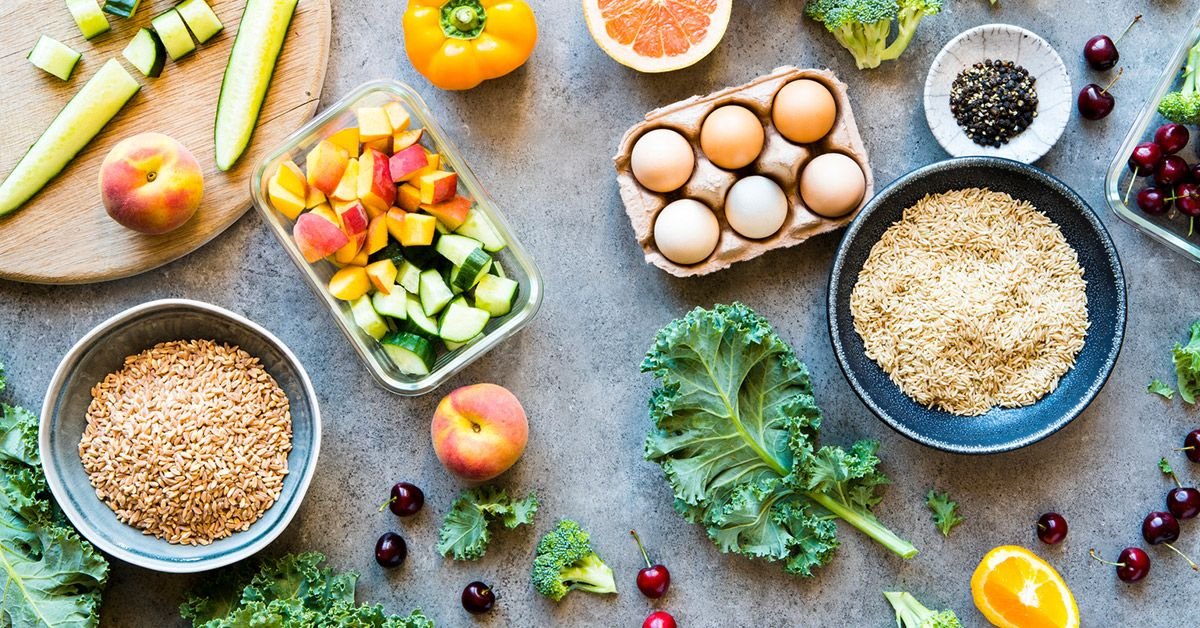
When curating your primary food supply, stock up on dark leafy greens such as spinach, kale, and dark lettuces, alongside cruciferous vegetables like broccoli, cabbage, and cauliflower. Include starchy vegetables like sweet potatoes, squash, and root vegetables for long-lasting energy. For fruits, focus on fresh or frozen berries, citrus, apples, and bananas. Make intact grains a primary staple, choosing options like quinoa, brown rice, farro, rolled oats, and buckwheat. Complement these with canned or dried legumes, including black beans, chickpeas, lentils, and edamame.
Equally vital is identifying items to minimize or remove. Highly processed convenience foods, refined white flour products, commercial baked goods, and sugar-sweetened drinks should be systematically reduced. Isolated cooking oils—which concentrate calories while removing original fiber—can be replaced with whole fat sources such as avocados, raw seeds, almonds, walnuts, and tahini. If you choose to include occasional animal products, select minimally processed, high-quality options and treat them as minor side elements rather than the focal point of your plate.
Practical Strategies for Transitioning and Daily Meal Preparation
Adopting a new eating pattern is most successful when treated as a gradual progression rather than an overnight overhaul. Abrupt changes can sometimes cause mild digestive adjustment as your gut microbiome adapts to increased dietary fiber. Begin by making simple, manageable swaps: replace refined white pasta with whole grain or legume-based versions, choose plant-based milks without added sugar, and aim to make one meal each day completely plant-focused.
Meal preparation is one of the most effective tools for maintaining long-term consistency. Set aside time each week to batch-cook core ingredients. Roast a large tray of seasonal root vegetables, cook a pot of brown rice or quinoa, and prepare a batch of lentil soup or bean chili. Having pre-cooked components ready in the refrigerator allows you to assemble balanced grain bowls quickly during busy weekdays. Simply layer your grain base, add roasted and raw vegetables, top with legumes, and drizzle with a simple dressing made from tahini, lemon juice, and herbs.
Navigating social outings and restaurant dining also becomes easier with a few proactive habits. Review restaurant menus online in advance to spot plant-friendly selections, or ask if the kitchen can assemble a dish featuring sides of steamed vegetables, beans, and grains. Above all, maintain a flexible mindset. Sustainable health is built on consistent daily habits over time, not absolute perfection in every single meal.
Frequently Asked Questions About WFPB Diets
Can I get enough protein on a whole-foods, plant-based diet?
Yes, absolutely. A common misconception is that plant foods lack adequate protein. In reality, all whole plant foods contain amino acids. By consuming a varied diet that meets your daily calorie needs, you can easily obtain sufficient protein. Exceptional plant-based protein sources include lentils, chickpeas, black beans, edamame, organic tofu, tempeh, quinoa, hemp seeds, and pumpkin seeds. Active individuals and athletes can easily meet elevated protein requirements by incorporating these nutrient-dense foods into their daily routines.
Do I need to take supplements on a plant-based diet?
While a whole-foods, plant-based diet provides an abundance of essential vitamins and minerals, specific supplementation is recommended. Vitamin B12 is essential because it is produced by soil microorganisms and is not naturally present in cleaned plant foods. Anyone minimizing animal products should take a reliable Vitamin B12 supplement. Additionally, depending on your geographic location, individual blood markers, and sun exposure, taking Vitamin D3 and an algal-based Omega-3 supplement (supplying EPA and DHA) can support optimal long-term health.
Is a whole-foods, plant-based diet expensive?
Contrary to popular belief, a plant-based diet focused on whole ingredients is often significantly more economical than diets centered on meat, cheese, and packaged convenience products. Core plant staples such as dried or canned beans, lentils, brown rice, oats, and root vegetables are among the most affordable foods available. To keep grocery expenses low, buy grains and legumes in bulk, choose frozen fruits and vegetables, select local seasonal produce, and reserve specialty plant-based packaged goods for occasional treats.
Embracing a Sustainable Path to Lifelong Vitality
Transitioning to a Whole-Foods, Plant-Based lifestyle is one of the most effective, empowering steps you can take to protect your health and enhance daily energy. By shifting the focus of your diet toward vibrant, nutrient-rich plant foods and reducing reliance on heavily processed items, you provide your body with the fundamental nutrients required for long-term health. The physiological rewards—ranging from improved heart health and metabolic balance to enhanced digestion—are strongly supported by scientific research.
Remember that adopting a plant-centric lifestyle is a journey of addition, not deprivation. Every nutrient-rich meal provides an opportunity to nourish your body with essential fiber, vitamins, and protective antioxidants. Approach the process with curiosity, enjoy exploring new flavors and ingredients, and build a balanced, sustainable way of eating that serves your health for years to come.
Leave a Reply