Enrolling in Medicare is a major milestone for older adults and individuals with qualifying disabilities, providing a vital safety net for primary medical needs. For millions of Americans, transitioning into this federal program brings significant peace of mind, knowing that a large portion of inpatient hospital stays, outpatient physician visits, and preventative screenings will be subsidized. However, one of the most common and costly misconceptions among new beneficiaries is the belief that Original Medicare—comprising Part A and Part B—serves as a universal, all-inclusive health insurance policy.
In reality, Original Medicare was designed with strict statutory boundaries, creating substantial coverage gaps in routine and long-term care. Services fundamental to maintaining everyday wellness and overall quality of life—such as comprehensive dental work, vision exams, prescription eyeglasses, hearing aids, and non-skilled custodial care—are almost entirely excluded from traditional coverage. When beneficiaries encounter these routine medical needs without prior planning, they are often surprised by high out-of-pocket costs that can quickly drain fixed retirement budgets.
Understanding precisely what Original Medicare covers and where its limitations lie is essential for protecting both your physical health and financial security. By identifying these coverage exclusions early, you can evaluate supplemental options—such as Medicare Advantage plans, Medigap policies, standalone insurance products, and assistance programs—to build a comprehensive, seamless healthcare strategy that lasts throughout your senior years.
Understanding Original Medicare and the Architecture of Coverage Gaps
To understand why certain essential health services are excluded, it is helpful to examine how traditional Medicare is structured. Established in 1965, Original Medicare is divided into two primary parts: Part A and Part B. Medicare Part A functions as hospital insurance, helping pay for inpatient hospital stays, care in skilled nursing facilities following a qualifying hospital admission, limited home healthcare, and hospice care. Medicare Part B operates as medical insurance, covering medically necessary outpatient care, doctor visits, diagnostic tests, durable medical equipment, and preventative care like annual wellness visits and flu shots.
While this framework provides strong financial protection during acute medical crises, it operates under rigid clinical parameters and cost-sharing obligations. Beneficiaries remain responsible for deductibles, copayments, and a standard 20% coinsurance for most Part B services. Crucially, Original Medicare does not feature an annual out-of-pocket maximum limit. If you require specialized care or services that fall outside traditional coverage, there is no upper limit to the expenses you must pay out of pocket unless you possess secondary insurance.
The exclusions built into Original Medicare reflect federal legislation established decades ago when routine dental care, vision correction, and hearing devices were viewed as personal maintenance rather than critical healthcare services. Modern clinical research has since proved that oral health, visual acuity, and hearing clarity directly influence systemic physical health and cognitive function. However, statutory updates to traditional Medicare have not expanded to match these holistic clinical insights, leaving beneficiaries responsible for the full cost of these routine services.
Major Healthcare Services Excluded from Traditional Coverage
- Routine Dental Care and Prosthetics: Traditional Medicare excludes routine checkups, cleanings, fillings, extractions, root canals, crowns, and dentures, requiring beneficiaries to pay 100% of these expenses. Exception: Part A or Part B may cover limited dental care if it is a mandatory component of a major covered medical procedure, such as a pre-transplant oral examination or treatment for medical complications following head and neck cancer surgery.
- Routine Vision Care and Eyewear: Annual refractive eye exams, contact lenses, and prescription glasses are not covered by Original Medicare. Exception: Following a Medicare-approved cataract surgery involving an intraocular lens insertion, Part B covers one pair of standard prescription eyeglasses or one set of contact lenses, subject to the Part B deductible and 20% coinsurance.
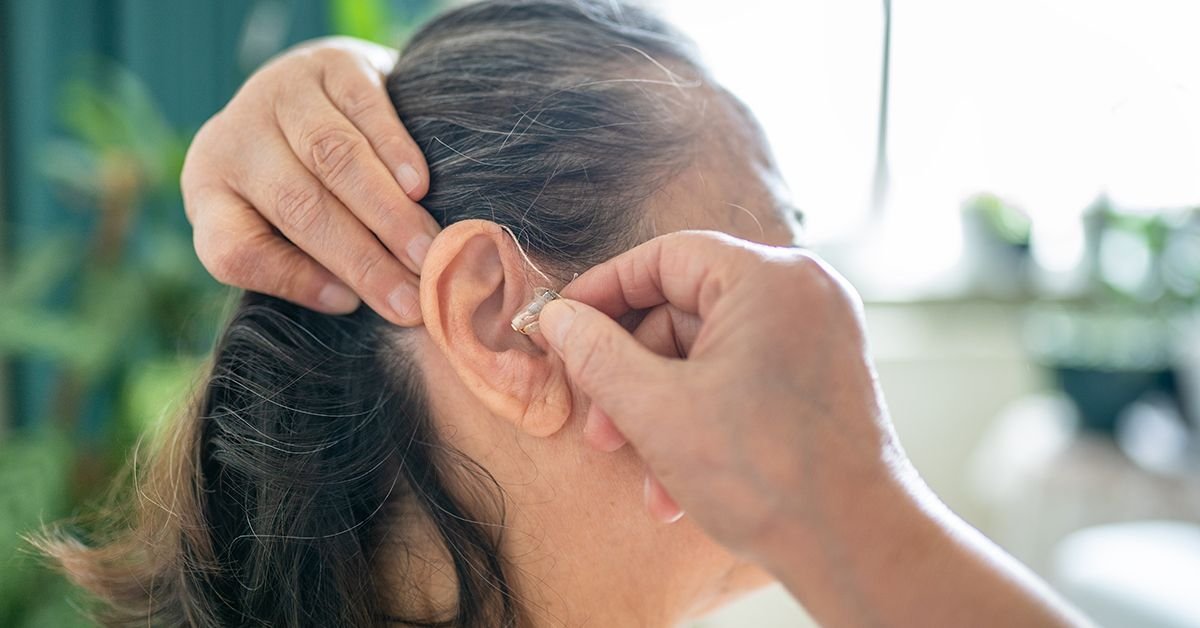
- Hearing Aids and Audiology Services: Original Medicare excludes hearing aids and the diagnostic exams required to fit them, leaving beneficiaries to pay the entire bill. Exception: Part B covers diagnostic hearing and balance exams if a physician orders them to diagnose a specific non-routine medical condition.
- Routine Podiatry and Foot Care: General foot maintenance, including the trimming of corns, calluses, and nails, is excluded from coverage. Exception: Foot care and podiatric exams are covered under Part B if you have a severe chronic vascular or neurological condition, such as diabetes, where improper foot care poses severe medical risks.
- Long-Term Custodial Care: Non-skilled personal assistance with daily activities—such as bathing, dressing, eating, and mobility—is not covered by Medicare in either home settings or assisted living facilities. Part A only covers short-term skilled nursing care up to 100 days following a qualifying three-day inpatient hospital stay.
- Overseas Medical Treatment: Original Medicare generally offers no coverage for emergency or routine healthcare received outside the United States and its territories, leaving international travelers responsible for all medical bills incurred abroad.
Unaddressed health needs in these excluded areas can lead to broader systemic issues. For example, untreated periodontal disease is linked to heightened cardiovascular risks, uncorrected vision impairment increases fall hazards, and unmanaged hearing loss is associated with social isolation and accelerated cognitive decline. Bridging these coverage gaps is therefore vital for long-term health and independence.
Evaluating Supplemental Insurance Options to Fill the Gaps
To safeguard against unexpected out-of-pocket costs, beneficiaries can choose from several insurance options designed to bridge Original Medicare’s coverage gaps. One widely selected path is enrolling in a Medicare Advantage (Part C) plan. Offered by Medicare-approved private insurance companies, Medicare Advantage replaces traditional Parts A and B while bundling additional coverage. A vast majority of these plans include routine dental care, vision exams, prescription eyewear, hearing aid allowances, and wellness programs, alongside built-in annual out-of-pocket maximum limits that protect against catastrophic costs.
Alternatively, individuals who prefer to remain enrolled in Original Medicare—to retain the freedom of visiting any doctor or hospital nationwide without network restrictions—can purchase supplemental insurance. Medigap (Medicare Supplement) policies help absorb original deductibles, copayments, and coinsurance, with select policies offering international emergency medical coverage. To address dental, vision, and hearing needs while keeping Original Medicare, beneficiaries can purchase separate standalone private policies tailored specifically to those services.
Strategic Financial Management for Uncovered Medical Expenses
In addition to private insurance strategies, deliberate financial planning can significantly ease the burden of uncovered medical expenses. If you are covered by a High-Deductible Health Plan (HDHP) prior to enrolling in Medicare, contributing to a Health Savings Account (HSA) allows you to set aside pre-tax dollars. Unused HSA funds roll over indefinitely and can be withdrawn tax-free in retirement to pay for dental procedures, vision care, hearing aids, and qualified copayments. Although you can no longer contribute new funds to an HSA once enrolled in Medicare, existing balances remain fully accessible for eligible healthcare expenses.
For lower-income beneficiaries, state and federal safety net programs can eliminate out-of-pocket financial strain. Medicaid acts as a crucial secondary payer for qualifying individuals, frequently covering routine dental, vision, long-term custodial care, and transportation services excluded by Medicare. Dual-eligible individuals can access Dual Eligible Special Needs Plans (D-SNPs) to combine benefits efficiently. Additionally, community-based programs like the Program of All-Inclusive Care for the Elderly (PACE) offer integrated medical and social support services to help eligible seniors receive full-spectrum care within their local communities.
Frequently Asked Questions
Does Original Medicare cover long-term custodial care or nursing homes?
No, Original Medicare does not cover long-term custodial care or assisted living when the primary services required involve non-skilled assistance with daily activities, such as bathing, dressing, or eating. Part A only covers short-term, skilled nursing facility care following a qualifying three-day inpatient hospital stay for up to 100 days per benefit period. Long-term care must be financed through private long-term care insurance, personal out-of-pocket savings, or Medicaid for individuals who meet state income and asset eligibility criteria.
How can I get dental and vision care if I remain on Original Medicare?
If you prefer to keep Original Medicare for its broad provider access, you can purchase standalone private dental, vision, and hearing (DVH) insurance policies from commercial insurers. Additional strategies include utilizing Health Savings Account funds accumulated prior to Medicare enrollment, enrolling in dental discount networks, or seeking low-cost routine care through accredited dental schools and federally qualified community health centers.
Are prescription drugs covered under Original Medicare Parts A and B?
Original Medicare provides very limited prescription drug coverage. Part A covers medications administered during covered inpatient hospital or skilled nursing stays. Part B covers a select group of outpatient medications, such as infused chemotherapy, injectable biologics, or drugs administered directly by a physician in a clinic. For coverage on daily outpatient medications that you take at home, you must purchase a standalone Medicare Part D Prescription Drug Plan or choose a Medicare Advantage plan that includes integrated prescription drug coverage.
Final Takeaways for Comprehensive Health Planning
Navigating healthcare during retirement requires a realistic assessment of what Original Medicare provides and where its boundaries begin. While Part A and Part B offer strong protection for major medical events, inpatient stays, and necessary outpatient procedures, relying solely on traditional coverage leaves significant blind spots regarding routine dental, vision, hearing, podiatry, and long-term custodial care. Unanticipated expenses in these categories can create sudden financial pressure and lead to delayed care.
By proactively assessing your options—whether through Medicare Advantage plans, standalone supplemental insurance policies, pre-funded HSAs, or assistance programs like Medicaid and PACE—you can construct a complete financial and health safety net. Reviewing your personal health needs and insurance choices annually during open enrollment ensures that your coverage remains closely aligned with your overall health, budget, and long-term wellbeing.
Leave a Reply