Iron is a fundamental trace mineral essential for human health, driving the synthesis of hemoglobin, the red blood cell protein responsible for transporting oxygen throughout the body. Despite its critical role, iron deficiency remains one of the most common nutritional challenges worldwide. For individuals following vegetarian or vegan diets, questions often arise regarding whether plant-based foods can adequately support daily iron requirements without animal products.
Fortunately, the plant kingdom offers an abundant array of iron-dense foods capable of maintaining healthy blood levels and overall vitality. While plant foods contain a distinct form of iron compared to meat, understanding how to construct balanced meals allows plant-based eaters to meet their nutritional needs easily. From legumes and seeds to leafy greens and whole grains, vegetarian iron sources are plentiful, nutrient-dense, and highly versatile.
By taking a deliberate approach to daily meal composition, individuals can optimize their nutrient intake while enjoying diverse, flavorful foods. This comprehensive guide explores the science of plant-based iron, highlights top food sources, and outlines effective culinary practices to maximize mineral absorption for long-term health.
Understanding Non-Heme Iron and Bioavailability
To optimize plant-based nutrition, it is important to distinguish between the two primary forms of dietary iron: heme and non-heme iron. Heme iron is attached to hemoglobin proteins and is found exclusively in animal tissue. Non-heme iron constitutes all the iron present in plant foods, as well as a portion found in animal products and fortified foods. Because non-heme iron is not enclosed in an organic ring structure, its uptake in the digestive tract is more flexible and responsive to dietary factors and bodily demand.
The human body regulates non-heme iron absorption within the small intestine based on existing nutrient stores. When internal ferritin levels decrease, the digestive system naturally upregulates transport mechanisms to absorb non-heme iron more efficiently. Conversely, when iron stores are replete, absorption rates moderate, providing an inherent protective mechanism against excessive mineral accumulation from whole plant foods.
Bioavailability refers to the proportion of ingested iron that the body successfully absorbs and utilizes. Non-heme iron bioavailability is dynamic, influenced by co-ingested compounds. While compounds like phytates in grains and polyphenols in tea can inhibit uptake, enhancing compounds such as vitamin C dramatically increase absorption by converting iron into a more soluble form.
Key Health Benefits, Deficiency Signs, and Evidence
Maintaining sufficient iron stores is essential for vital physiological functions beyond basic oxygen transport. Iron serves as a vital cofactor for cellular energy production, DNA synthesis, immune defense, and cognitive functioning. A plant-rich diet provides abundant iron along with dietary fiber, antioxidants, and essential phytonutrients that support cardiovascular and metabolic health.
When iron intake falls below physiological needs over time, body stores become depleted, potentially progressing to iron-deficiency anemia. Recognizing early warning signs helps prevent systemic complications. Important indicators of compromised iron status include:
- Systemic Exhaustion: Reduced hemoglobin levels impair oxygen delivery to tissues, resulting in persistent fatigue, physical weakness, and reduced stamina.
- Cognitive Fatigue: Insufficient oxygen delivery to the brain causes concentration difficulties, memory lapses, and mental sluggishness.
- Temperature Sensitivity: Low iron levels interfere with thermoregulation, leading to chronically cold hands and feet.
- Physical Manifestations: Pale skin, brittle or spoon-shaped nails, and increased hair shedding frequently signal low ferritin stores.
- Immune Vulnerability: Iron is critical for immune cell proliferation; deficiency can lead to increased susceptibility to infections.
Extensive nutritional evidence confirms that well-planned plant-based diets containing diverse whole foods comfortably support healthy iron levels across all stages of life.
Top Plant-Based Iron Foods to Include in Your Diet
Incorporating high-iron plant foods into daily meals is simple when choosing from nutrient-dense food groups. Legumes represent one of the most potent plant-based iron sources available. Fermented soy products like natto lead the category with 15.1 milligrams of iron per cooked cup, while firm tofu provides roughly 13.3 milligrams per cup. Soybeans, lentils, white beans, kidney beans, and chickpeas also offer impressive amounts, ranging from 4.7 to 9.1 milligrams per cooked cup.
Nuts and seeds serve as concentrated, highly versatile iron sources that also supply healthy fats and minerals. Dried sesame seeds contain up to 21 milligrams per cup, with two tablespoons of tahini providing 1.3 milligrams. Pumpkin seeds deliver 11.4 milligrams per cup, while flaxseeds, cashews, pine nuts, and almonds contribute between 3.5 and 9.6 milligrams per cup. Adding seeds to morning cereals or salads provides an easy nutritional boost.
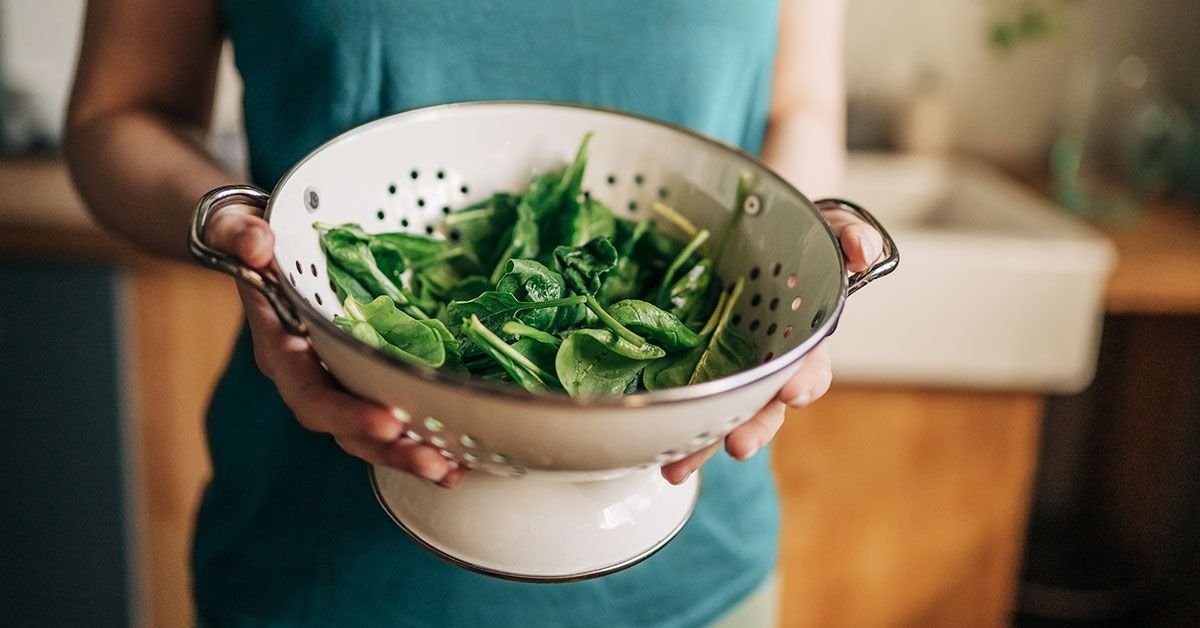
Dark leafy greens, whole grains, and select fruits further elevate dietary iron intake. Cooked spinach provides 5.7 milligrams per cup, while Swiss chard, beet greens, and cooked mushrooms offer significant quantities. Among grains, amaranth, spelt, quinoa, and oats supply excellent non-heme iron compared to refined alternatives. Specialty items like dark chocolate, blackstrap molasses, dried thyme, and sun-dried tomatoes offer delicious ways to increase daily iron consumption.
Actionable Strategies to Maximize Iron Absorption
Maximizing the absorption of non-heme iron relies on strategic culinary pairings and preparation techniques. The most effective approach is combining non-heme iron foods with vitamin C during meals. Ascorbic acid converts non-heme iron into a highly soluble form that the gut absorbs far more readily. Simple habits—such as squeezing lemon juice over cooked greens, adding bell peppers to bean salads, or consuming citrus fruit alongside iron-fortified cereals—can multiply iron absorption several times over.
Traditional food preparation methods also significantly reduce natural absorption inhibitors like phytic acid. Soaking dried beans, lentils, and grains in warm water before cooking activates phytase enzymes that break down phytates. Similarly, choosing sprouted grains, sourdough breads, and fermented soy products like tempeh improves mineral bioavailability. Additionally, preparing acidic foods in traditional cast-iron cookware allows small, safe amounts of dietary iron to transfer into meals.
Mindful timing of dietary inhibitors further protects mineral uptake. Compounds such as polyphenols and tannins in black tea, green tea, and coffee bind to non-heme iron in the digestive tract, lowering absorption. Enjoying these beverages at least one hour before or after meals prevents interference. Likewise, taking calcium supplements separately from iron-rich meals ensures optimal intestinal absorption.
Frequently Asked Questions
Do plant-based eaters need more daily iron than non-vegetarians?
Because non-heme iron has a lower baseline absorption rate than animal-derived heme iron, official guidelines sometimes recommend higher overall iron intakes for vegetarians. However, these figures assume unoptimized diets. When plant-based eaters regularly combine iron-rich foods with vitamin C and utilize preparation techniques like soaking or fermenting, non-heme iron absorption increases significantly, making standard daily intake targets fully effective.
What are the best meal combinations for increasing iron uptake?
Pairing non-heme iron sources with organic acids yields maximum absorption. Excellent everyday combinations include lentil soups with diced tomatoes and bell peppers, spinach and berry smoothies, bean tacos seasoned with lime juice, quinoa salad topped with lemon dressing and pumpkin seeds, and oatmeal topped with fresh strawberries or kiwi. These simple pairings enhance both nutrient availability and meal flavor.
Can you consume excessive iron from plant foods alone?
It is extremely unlikely to experience iron toxicity from whole plant foods. The human body tightly regulates non-heme iron absorption in the intestinal mucosa, reducing uptake automatically when internal stores are sufficient. Iron overload almost exclusively results from high-dose mineral supplements or specific genetic conditions like hemochromatosis, rather than normal dietary intake of grains, legumes, seeds, and vegetables.
Final Takeaway on Plant-Based Iron Intake
Achieving healthy iron levels on a vegetarian or vegan diet is straightforward when approached with basic nutritional knowledge. By routinely consuming a variety of legumes, seeds, nuts, whole grains, and leafy greens, plant-based eaters can comfortably meet their physiological requirements while benefiting from abundant dietary fiber, vitamins, and protective antioxidants.
By adopting proactive habits—such as pairing iron-rich foods with vitamin C, using smart preparation methods, and timing tea or coffee consumption appropriately—you can optimize non-heme iron uptake naturally. Embracing a diverse, whole-food plant diet supports long-term vitality, sustained energy, and overall health.
Leave a Reply