Boils are inflamed, pus-filled bumps that can form under the skin, often appearing in the groin’s skin folds, on the labia, or near the vaginal opening. While generally not a serious concern, most boils resolve naturally within a few weeks. Some may require medical intervention to alleviate pain and clear the infection. In more severe instances, a healthcare professional might need to lance and drain the boil.
What Do Vulvovaginal Boils Look Like?
A boil typically begins as a small red bump, initially resembling a pimple. However, it can progress into a swollen, painful sore, often featuring a white or yellow pus-filled tip. While some boils remain small, others can enlarge significantly, sometimes reaching the size of a walnut.
Causes of Vulvovaginal Boils
Most commonly, boils arise from an infected hair follicle, a condition known as folliculitis. However, several other factors can contribute to their development:
Bacterial Infections: Staphylococcus aureus (staph) bacteria, naturally present on the skin and in the nasal passages, can cause an infection if they penetrate hair follicles.
Skin Injuries: Minor cuts, such as those from shaving or other injuries, can allow staph and other bacteria to enter the body, leading to an infection.
Irritation and Friction: Tight clothing can cause friction and small tears in the skin, increasing susceptibility to infection. Similarly, rubbing in skin folds can lead to irritation.
Blocked Bartholin’s Glands: The pea-sized Bartholin’s glands located near the vaginal opening can become blocked, forming cysts that may subsequently become infected.
Home Remedies for Vulvovaginal Boils
Many boils resolve on their own within one to two weeks without medical intervention. To alleviate symptoms and potentially accelerate healing, consider these home care steps:
Hand Hygiene: Always wash your hands thoroughly with antibacterial soap and warm water before and after touching the boil or surrounding area. This prevents the introduction or spread of bacteria.
Warm Compresses: Apply a clean, warm, wet washcloth to the boil for 10 to 15 minutes, repeating three to four times daily. The heat enhances blood circulation, aiding white blood cells in fighting the infection.
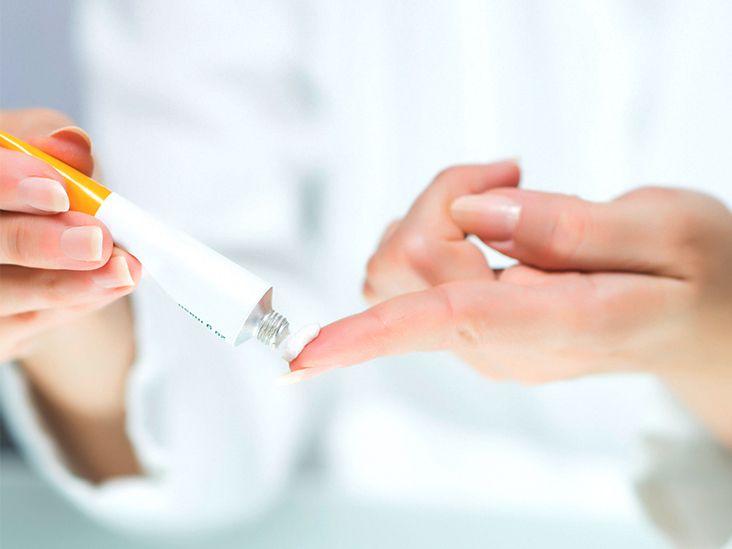
Clean and Cover: If a boil bursts, clean the area meticulously and apply an antibiotic ointment, such as a triple antibiotic product. Cover it with sterile gauze or an adhesive bandage, changing the dressing daily and keeping the area clean.
Avoid Popping: Refrain from picking or piercing the boil. Opening it can release bacteria, spread the infection, and worsen pain and tenderness.
Wear Loose Clothing: To reduce friction, wear loose-fitting underwear and clothing until the boil heals. After physical activity, change into clean, dry undergarments.
Pain Relief: Over-the-counter pain relievers like ibuprofen or acetaminophen can help manage pain and inflammation. Follow package directions for dosage.
If home remedies prove ineffective or the boil persists beyond three weeks, it is advisable to consult a gynecologist or doctor.
When to Seek Medical Attention
While most boils are minor and respond to home care, medical consultation is necessary if the infection enlarges, spreads, or shows signs of worsening. Watch for these indicators:
Symptoms such as fever, chills, or cold sweats.
A rapidly growing or extremely painful bump.
A boil larger than 2 inches in width.
A boil that does not resolve after three weeks.
For boils too severe for home treatment, a doctor typically offers two main options:
Lancing and Draining: For large or very painful boils, a doctor may lance (cut) the bump to drain pus and fluid. Severe infections might require multiple drainage procedures. This should only be performed by a medical professional using sterile equipment; self-lancing is strongly discouraged.
Antibiotics: Antibiotics may be prescribed for severe or recurrent infections to prevent future occurrences. They might also be given after drainage to avert secondary infections.
Preventing Vulvovaginal Boils
While complete prevention is not always feasible, these practices can help reduce the risk of developing vulvovaginal boils:
Avoid Sharing Personal Items: Bacteria responsible for boils can spread easily. Refrain from sharing razors, towels, washcloths, and other intimate personal items.
Maintain Hand Hygiene: Wash your hands with antibacterial soap before and after touching your genital area to prevent the spread of infection-causing bacteria.
Gentle Exfoliation: Gently exfoliate the pubic mound and labia to remove dead skin cells, which can reduce the risk of ingrown hairs.
Shaving Practices: Consider trimming pubic hair with sharp, clean scissors instead of shaving to minimize ingrown hairs. If shaving, change razors or blades every 3 to 4 weeks and use a shaving lotion or cream to moisturize the skin and reduce friction.
Conclusion
Most vulvovaginal boils are minor and typically resolve with home treatments within a few weeks. However, it is crucial to seek medical attention if a boil shows no improvement, worsens, or exhibits signs of a more serious infection. Larger or more severe boils often require professional lancing and drainage, potentially alongside antibiotic treatment.
Leave a Reply