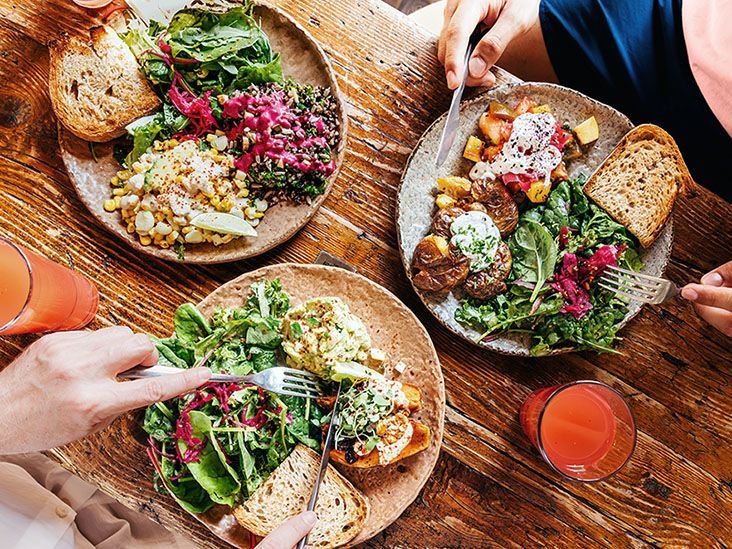
Transitioning to a vegan lifestyle is far more than a passing dietary trend; it represents a fundamental shift in how millions of individuals approach long-term health, environmental sustainability, and ethical consumption. Removing all animal products—including meat, poultry, seafood, dairy, eggs, and honey—can at first seem restrictive. However, when approached with clarity and scientific insight, a plant-based diet unveils a rich tapestry of vibrant, nutrient-dense foods that nourish the human body from the inside out.
Whether you are driven by a desire to optimize your cardiovascular health, manage metabolic wellness, reduce your environmental footprint, or align your plate with animal welfare values, adopting a plant-forward pattern requires thoughtful planning. The primary challenge for newcomers rarely lies in finding plant foods to eat, but rather in structuring daily meals to ensure complete nutritional adequacy without falling into the trap of heavily processed convenience foods.
This comprehensive guide offers a science-backed roadmap designed to simplify your journey. From understanding the physiological mechanics of plant nutrition to building a versatile pantry and navigating a complete seven-day meal menu, this deep dive equips you with practical, actionable strategies to help you thrive on a whole-food vegan diet.
The Mechanics of a Well-Balanced Vegan Diet
At its core, a vegan diet eliminates all foods of animal origin, relying entirely on plant sources for energy, macronutrients, and micronutrients. To understand how a vegan diet works inside the human body, one must look at the synergistic effects of whole plant foods. Unlike diets centered around animal proteins—which are naturally dense in saturated fats and heme iron—a well-structured vegan diet emphasizes complex carbohydrates, dietary fiber, phytonutrients, and healthy unsaturated fatty acids.
When you consume unrefined plant foods, your body breaks down complex starches slowly, preventing rapid spikes in blood glucose and insulin. The abundant dietary fiber acts as an essential fuel source for beneficial gut bacteria, promoting the production of short-chain fatty acids like butyrate, which support intestinal integrity and systemic immune regulation. Furthermore, plant-based proteins derived from legumes, soy, seeds, and whole grains provide essential amino acids needed for cellular repair, tissue building, and enzymatic functions.
However, it is crucial to distinguish between a whole-food plant-based framework and an ultra-processed vegan diet. Modern grocery aisles are filled with factory-manufactured meat alternatives, refined snack foods, and sugary dairy-free desserts. While these items are technically animal-free, they often contain high levels of sodium, refined oils, and chemical additives. Achieving optimal vitality requires prioritizing real, whole foods—such as lentils, quinoa, leafy greens, berries, and nuts—that deliver dense nutrition without excessive processing.
Evidence-Based Health Benefits and Nutritional Considerations
Decades of epidemiological and clinical research suggest that appropriately planned vegan diets confer significant protection against chronic diseases. By replacing saturated animal fats with plant-derived soluble fibers and antioxidants, individuals often experience profound improvements in physiological biomarkers.
- Cardiovascular Optimization: Plant-rich diets consistently demonstrate the ability to lower total and LDL cholesterol, reduce systemic blood pressure, and improve arterial elasticity, significantly diminishing the risk of heart disease.
- Enhanced Metabolic Health: High fiber intake paired with low-glycemic whole grains improves insulin sensitivity, making a plant-based diet highly effective for preventing and managing type 2 diabetes.
- Body Composition Management: Whole plant foods generally possess a lower caloric density and high satiety index, aiding in sustainable weight management without rigorous caloric restriction.
- Microbiome Enrichment: A diverse intake of plant fibers nourishes beneficial gut flora, enhancing digestion, supporting immune health, and reducing systemic low-grade inflammation.
- Cellular Protection via Antioxidants: Abundant polyphenols, carotenoids, and flavonoids neutralize oxidative stress, offering protection against cellular DNA damage and chronic inflammatory pathways.
While the physiological benefits are extensive, a vegan diet must be intentionally curated to avoid potential micronutrient gaps. Because animal products are direct sources of vitamin B12, preformed vitamin D3, bioavailable iron, iodine, zinc, and long-chain omega-3 fatty acids (EPA and DHA), plant-based eaters must actively incorporate fortified foods or targeted supplements. Understanding these nutritional nuances ensures that long-term plant-based living leads to flourishing health rather than creeping nutritional deficiencies.
Building Your Vegan Pantry: A Step-by-Step Shopping Strategy
Success on a vegan diet begins in the kitchen. Having a well-stocked pantry and refrigerator eliminates mealtime guesswork and prevents reliance on takeaway foods or prepackaged meals. Focus your food shopping strategy around fresh, frozen, and dry whole foods categorized by nutritional function.
First, stock up on rich plant-based protein foundations. Legumes such as black beans, chickpeas, brown lentils, red lentils, and pinto beans serve as versatile, budget-friendly building blocks for soups, stews, and salads. Soy products—including minimally processed organic tofu and fermented tempeh—offer high-quality, complete proteins that readily absorb seasonings and marinades. Do not overlook raw or dry-roasted nuts and seeds, such as walnuts, hemp seeds, chia seeds, flax seeds, and pumpkin seeds, which deliver both protein and essential fatty acids.
Second, build your pantry with nutrient-dense whole grains and healthy fats. Swap refined white rice and pasta for intact grains like quinoa, farro, brown rice, wild rice, buckwheat, and rolled oats. These grains provide sustained energy and essential B vitamins. For cooking fats and dressings, prioritize cold-pressed extra virgin olive oil, avocado oil, and whole-fat bases like tahini, raw nut butter, and ripe avocados.
Finally, fill your kitchen with a vibrant spectrum of fresh and frozen produce. Leafy greens like kale, spinach, Swiss chard, and arugula provide calcium and folate, while cruciferous vegetables like broccoli, cauliflower, and Brussels sprouts supply potent protective compounds. Keep frozen berries, frozen mangoes, and frozen green peas on hand for quick smoothies and weekday meals. Enhance flavor naturally using garlic, ginger, turmeric, nutritional yeast (which provides a cheesy flavor and B vitamins), tamari, lemons, and aromatic herbs.
A Complete 7-Day Vegan Meal Blueprint
To help you put nutritional theory into practice, this sample one-week meal plan highlights how easy, varied, and delicious whole-food vegan eating can be. Feel free to adjust portion sizes based on your individual caloric needs and activity levels.
Monday
• Breakfast: Sautéed organic tempeh bacon served alongside warm garlic mushrooms, sliced ripe avocado, and wilted baby arugula.
• Lunch: Whole wheat pasta tossed with homemade lentil marinara meatballs and a large green garden salad drizzled with lemon-tahini dressing.
• Dinner: Roasted cauliflower and chickpea tacos wrapped in warm corn tortillas, topped with fresh guacamole and pico de gallo.
• Snacks: Air-popped popcorn lightly seasoned with nutritional yeast, homemade kale chips, and a handful of mixed raw nuts.
Tuesday
• Breakfast: Unsweetened coconut yogurt topped with fresh blueberries, raspberries, chopped walnuts, and a sprinkle of ground chia seeds.
• Lunch: Herb-marinated baked tofu served with sautéed red cabbage, roasted Brussels sprouts, and whole wheat herbed couscous.
• Dinner: Savory mushroom and lentil loaf served alongside garlic-mashed cauliflower and steamed Italian green beans.
• Snacks: Crisp bell pepper slices dipped in fresh guacamole, sea salt seaweed crisps, and a fresh apple.
Wednesday
• Breakfast: Thick slices of toasted sweet potato topped with creamy natural peanut butter, sliced banana, and a dust of cinnamon.
• Lunch: Tempeh taco salad with cooked quinoa, diced avocado, cherry tomatoes, black beans, red onion, and fresh cilantro.
• Dinner: Creamy steel-cut oat risotto cooked with vegetable broth, tender Swiss chard, and slow-roasted plum tomatoes.
• Snacks: Steamed edamame in the pod sprinkled with sea salt, dark chocolate (70%+ cacao), and raw almonds.
Thursday
• Breakfast: Hearty oatmeal cooked with soy milk, stirred with ground flaxseeds, topped with stewed apples and pumpkin seeds.
• Lunch: Mediterranean chickpea salad bowl featuring cucumbers, Kalamata olives, diced tomatoes, parsley, quinoa, and a lemon-herb dressing.
• Dinner: Thai green curry loaded with firm tofu, baby corn, snap peas, bell peppers, and bamboo shoots over fragrant brown jasmine rice.
• Snacks: Whole grain pita chips with roasted red pepper hummus and fresh carrot sticks.
Friday
• Breakfast: Savory tofu scramble seasoned with turmeric, cumin, and spinach, served on toasted sprouted whole-grain bread.
• Lunch: Hearty black bean and butternut squash soup served with a side kale salad and pumpkin seed vinaigrette.
• Dinner: Stir-fried tempeh with broccoli, snow peas, carrots, and cashews in a ginger-garlic tamari sauce over wild rice.
• Snacks: Chia seed pudding made with unsweetened almond milk, vanilla, and fresh mango slices.
Saturday
• Breakfast: Whole grain oat pancakes topped with warm blueberry compote and a light drizzle of pure maple syrup.
• Lunch: Whole wheat wrap stuffed with roasted garlic hummus, grilled zucchini, eggplant, roasted red peppers, and fresh spinach.
• Dinner: Creamy coconut lentil dahl served with steamed brown basmati rice and a side of roasted cauliflower florets.
• Snacks: Roasted spiced chickpeas and a handful of fresh sweet cherries or berries.
Sunday
• Breakfast: Smoothie bowl blended with frozen spinach, frozen banana, plant protein powder, and flaxseed milk, topped with kiwi slices and hemp seeds.
• Lunch: Warm quinoa salad featuring massaged kale, roasted sweet potato cubes, dried cranberries, and toasted pecan halves.
• Dinner: Stuffed poblano peppers filled with spiced brown rice, black beans, corn, and topped with dairy-free cashew cream.
• Snacks: Sliced pears with almond butter and air-popped popcorn.
Frequently Asked Questions About Vegan Eating
How can I get enough protein on a vegan diet without relying on processed substitutes?
Meeting your daily protein requirements on a vegan diet is straightforward if you consume a diverse array of whole plant foods throughout the day. High-protein plant sources include legumes (lentils, chickpeas, black beans), soy products (edamame, organic tofu, tempeh), whole grains (quinoa, spelt, farro, oats), and seeds (hemp, chia, pumpkin). Combining different plant protein sources ensures a complete spectrum of essential amino acids over the course of the day. You do not need to rely on ultra-processed meat alternatives or isolated protein powders to satisfy your body’s structural needs.
Do I need to take supplements when following a strict plant-based lifestyle?
Yes, specific supplementation is highly recommended for long-term health on a vegan diet. The most critical supplement is Vitamin B12, as B12 is produced by microorganisms in soil and water and is not naturally available in unfortified plant foods. Regular B12 supplementation (either daily or weekly high-dose) is essential to protect nerve function and prevent megaloblastic anemia. Additionally, depending on your geographic location, sun exposure, and dietary intake, you may benefit from supplementing with Vitamin D3 (vegan lichen-derived), microalgae-derived Omega-3 fatty acids (EPA/DHA), and monitoring iodine and zinc levels through periodic blood work.
What are the best strategies to combat bloating when rapidly increasing fiber intake?
Experiencing transient abdominal bloating or changes in digestion is common when transitioning from a low-fiber diet to a fiber-rich plant-based plan. To mitigate discomfort, increase your fiber intake gradually over several weeks rather than overnight. Pair increased fiber with abundant hydration, as water helps fiber move smoothly through the gastrointestinal tract. Furthermore, prepare legumes properly by soaking dried beans thoroughly before cooking, discarding the soaking water, and cooking them with digestive spices like cumin, ginger, or kombu seaweed to improve digestibility.
Conclusion
Adopting a well-planned vegan diet offers a transformative approach to health and longevity. By focusing on an abundance of whole, unrefined plant foods—including vibrant vegetables, sun-ripened fruits, robust legumes, whole grains, and healthy plant fats—you supply your body with the exact nutrients required to lower chronic disease risk, optimize digestion, and sustain daily physical energy.
Remember that dietary changes are a journey rather than an all-or-nothing test. Success relies on consistency, culinary curiosity, and self-compassion. As you explore new ingredients, batch-cook nutrient-dense meals, and refine your grocery habits, you will cultivate a sustainable lifestyle that honors your body and supports overall well-being.
Leave a Reply