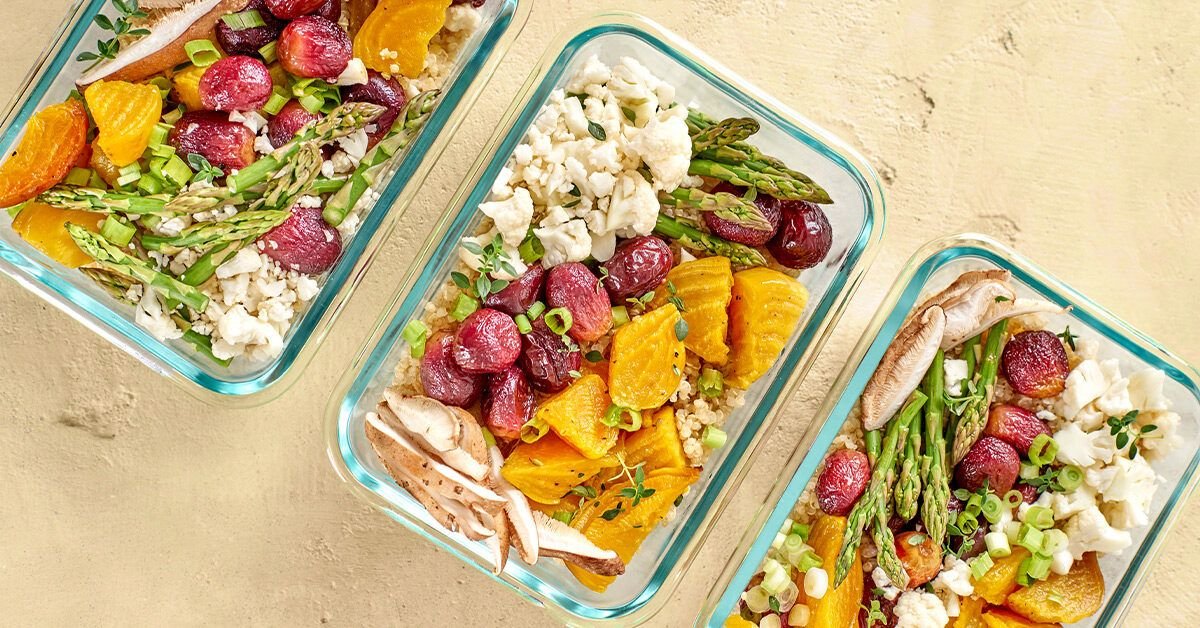
In today’s fast-paced world, maintaining a healthy, high-quality diet often feels like an uphill battle. Work schedules, family commitments, and daily stress frequently relegate nutrition to the bottom of the priority list. This dynamic regularly leads to a reliance on ultra-processed convenience items, fast food, or high-calorie takeout options. However, achieving long-term weight management does not require extreme calorie restriction or short-lived fad diets. Instead, sustainable success hinges on establishing consistent, manageable habits that support overall health without compromising your lifestyle.
Meal prepping—the practice of planning, cooking, and packaging meals and snacks in advance—has emerged as one of the most effective, science-backed strategies for achieving a healthy body weight. By taking proactive control over your food choices, meal prepping bridges the gap between your health goals and daily reality. It eliminates decision fatigue, curbs impulsive eating, and ensures that nutrient-dense, satisfying options are always within arm’s reach when hunger strikes.
Whether you are new to home cooking or a seasoned home chef looking to streamline your routine, mastering meal preparation can fundamentally transform your relationship with food. This comprehensive guide breaks down the biological and practical mechanics of meal prepping, highlights key dietary components, outlines actionable steps for success, and addresses common challenges so you can build a sustainable routine for lasting weight loss.
What Meal Prepping Is and How It Works for Weight Loss
At its core, meal prepping is a proactive system for managing your nutrition. It ranges from batch-cooking individual ingredients—such as roasting a tray of vegetables and grilling chicken breasts for later use—to fully assembling portion-controlled meals that are ready to heat and eat throughout the week. Rather than deciding what to eat when you are already tired and hungry, meal prep allows you to make calm, intentional nutrition decisions during dedicated planning times.
Weight loss fundamentally relies on creating a consistent energy deficit, meaning your body consumes slightly fewer calories than it expends over time. Meal prepping facilitates this process by standardizing portion sizes and reducing exposure to hyper-palatable, calorie-dense foods that lead to overeating. Furthermore, having balanced meals ready prevents sharp drops in blood sugar, which trigger surges of ghrelin—the primary hunger hormone responsible for intense cravings for high-sugar and high-fat foods. By regulating energy intake through pre-planned, macro-balanced meals, you support a steady metabolic rate while keeping appetite signals under control.
Evidence-Based Benefits of Meal Prepping
Integrating meal preparation into your routine yields benefits that extend far beyond simple time savings. Research consistently demonstrates that individuals who plan and cook their meals at home consume higher dietary quality and maintain lower rates of excess body weight.
- Enhanced Portion Control: Pre-portioning your food into individual containers prevents unintentional overeating and helps regulate total daily energy intake without the stress of constant calorie tracking.
- Improved Dietary Quality: Preparing meals from scratch gives you direct control over your ingredients, allowing you to minimize hidden added sugars, unhealthy trans fats, and excessive sodium commonly found in commercial foods.
- Reduction of Decision Fatigue: Making dozens of dietary choices every day depletes mental energy. Pre-planning your meals automates healthy decisions, making consistency effortless even on your busiest days.
- Preservation of Lean Muscle Mass: Structuring prepped meals around high-quality protein ensures your body receives a steady supply of amino acids. This preserves lean muscle tissue during weight loss, keeping your resting metabolic rate elevated.
- Financial and Time Efficiency: Purchasing ingredients in bulk, minimizing food waste, and eliminating daily restaurant trips saves substantial financial resources while freeing up time during busy weeknights.
Moreover, adopting a structured meal prep habit encourages long-term lifestyle changes rather than rapid, short-term fixes. Diets that rely on extreme calorie restriction—such as eating fewer than 1,200 calories per day—often backfire, triggering muscle loss, slowing metabolic rate, and causing rapid weight regain. Meal prepping fosters a healthy relationship with food by allowing room for dietary variety and satisfying flavors while still promoting steady fat loss.
Step-by-Step Blueprint for Seamless Meal Preparation
Beginning a meal prepping routine does not mean spending your entire weekend in the kitchen. The most successful approach is iterative, starting small and building efficiency over time as the process becomes second nature.
Start by setting aside 30 to 45 minutes to audit your schedule for the upcoming week. Identify the specific days or mealtime windows where you are most prone to eating out or choosing convenience options. Next, draft a simple meal outline based on versatile components: choose two protein sources, three non-starchy vegetables, and two complex carbohydrate options. Once your menu is finalized, create a targeted grocery list organized by store section to streamline your shopping trip and prevent impulse purchases.
When it comes time to cook, focus on multi-tasking and batch production. Utilize multiple kitchen tools simultaneously—roast trays of seasoned vegetables in the oven, simmer a batch of whole grains on the stovetop, and cook lean proteins on a skillet or slow cooker. Once cooked, allow foods to cool safely before dividing them into airtight glass or food-safe plastic containers. Store meals for the immediate three to four days in the refrigerator, and freeze any additional portions intended for later in the week to maintain optimal freshness and safety.
Structuring Balanced Meals for Optimal Fat Loss
To maximize satiety and energy levels while losing weight, every prepped meal should follow a balanced dietary framework. A highly effective guideline is the visual plate method, which ensures your body receives essential micronutrients, fiber, and protein.
Aim to fill half of your container with non-starchy vegetables such as spinach, broccoli, bell peppers, zucchini, or cauliflower. These foods deliver exceptional volume, hydration, and dietary fiber, expanding in the stomach to trigger stretch receptors that signal fullness to the brain without adding excessive calories. Allocate one-quarter of your container to lean protein sources, such as grilled chicken breast, turkey, eggs, tofu, fish, or legumes. Protein is the most satiating macronutrient and requires more energy for your body to digest, slightly boosting daily caloric expenditure.
The remaining quarter of your container should consist of complex carbohydrates, such as sweet potatoes, quinoa, brown rice, or oats. Complex carbs provide sustained energy, stabilize blood sugar levels, and support physical activity. Finally, incorporate small portions of healthy fats—such as extra virgin olive oil, avocado, nuts, or seeds—to facilitate the absorption of fat-soluble vitamins and enhance the overall taste and satisfaction of your meals.
Frequently Asked Questions
Is it mandatory to count calories while meal prepping to lose weight?
No, counting calories is not strictly necessary for weight loss when meal prepping. While achieving an energy deficit is required to shed body fat, focusing on portion structure, dietary fiber, and lean protein naturally controls energy intake. By filling half your plate with vegetables and prioritizing whole foods, you can achieve a consistent caloric deficit while relying on your natural hunger and fullness cues.
How long do prepped meals stay fresh in the refrigerator?
Most cooked meals containing meat, poultry, seafood, or cooked vegetables remain safe and fresh in the refrigerator for three to four days when kept in airtight containers at or below 40°F (4°C). If you are prepping for five to seven days at a time, store the first half of your meals in the fridge and freeze the remaining portion, thawing them in the refrigerator the night before consumption.
How can I avoid meal fatigue when eating the same prep repeatedly?
To prevent boredom, focus on “component prepping” rather than building fully identical meals. Cook versatile base ingredients without heavy sauces, then vary your meals daily by adding different herbs, spices, light dressings, or healthy condiments. Alternatively, prep two distinct protein and vegetable options so you can alternate meals throughout the week.
Conclusion and Final Takeaway
Meal prepping is far more than a practical convenience; it is a transformative tool that empowers you to take charge of your health, time, and nutritional quality. By shifting your focus toward preparation, organization, and balanced whole foods, you remove the stress and ambiguity from weight loss. The key to long-term success lies in building a routine that feels flexible, enjoyable, and tailored to your personal preferences.
Remember that consistency always supersedes perfection. You do not need to prep every single meal for the week to see profound health improvements. Start small by preparing lunches for your busiest workdays, experiment with fresh recipes, and gradually expand your routine. With patience and practice, meal prepping will become a rewarding, lifelong habit that supports sustainable weight management and vibrant health.
Leave a Reply