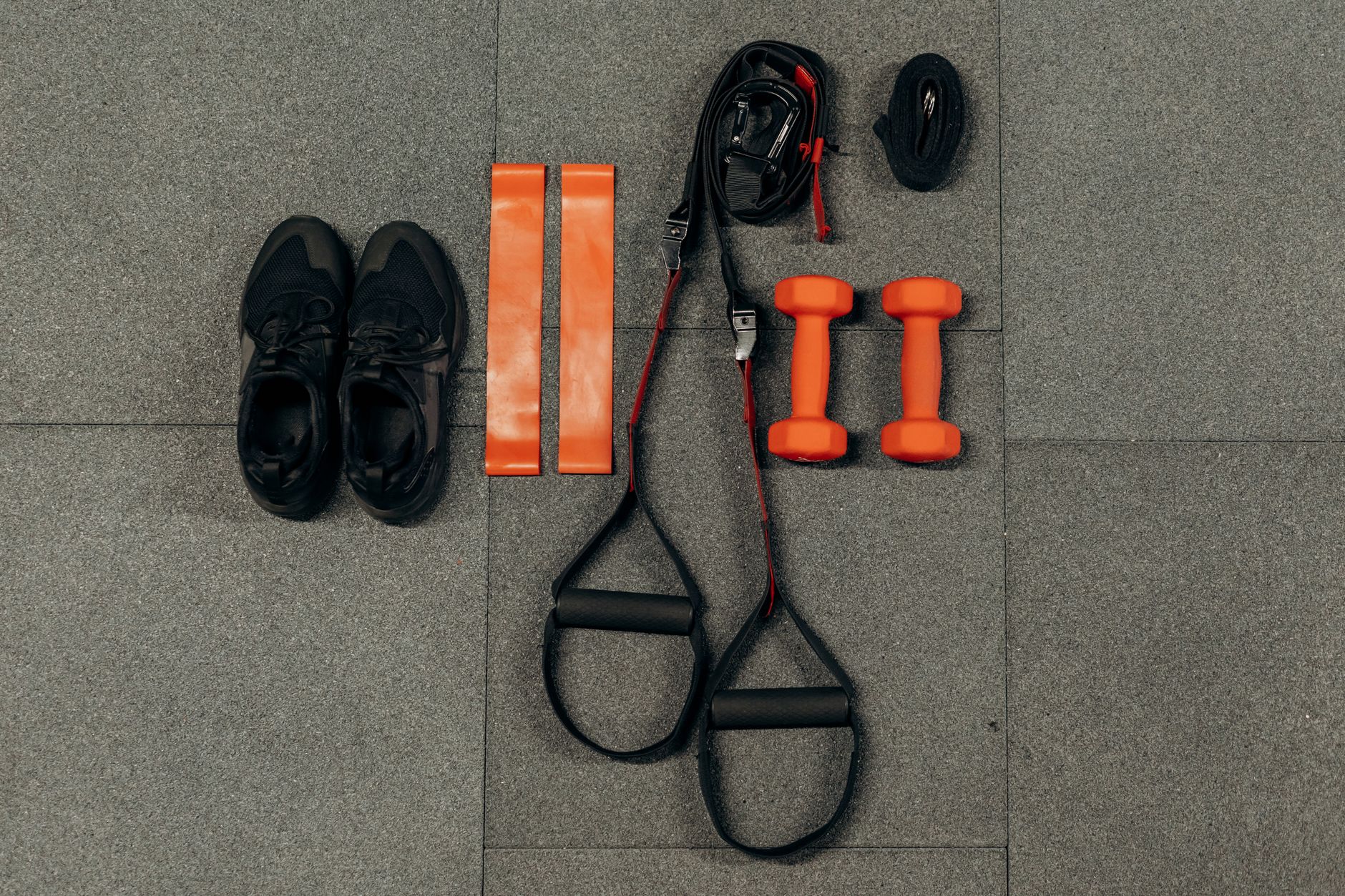
Embarking on a fitness journey can be both exciting and overwhelming. With countless workout routines, diet plans, and wellness trends available, finding the right path requires a clear understanding of how different exercises impact the body. Whether the goal is weight management, building strength, or improving flexibility, a balanced approach to physical activity is key to long-term success.
Understanding Weight Loss and Fat Loss
Many people use the terms weight loss and fat loss interchangeably, but they represent different physiological processes. Weight loss refers to a decrease in overall body weight, which includes muscle, water, and fat. Fat loss, on the other hand, specifically targets stored adipose tissue while preserving lean muscle mass. Achieving sustainable fat loss typically requires a combination of cardiovascular exercise, strength training, and a balanced nutritional plan. While cardiovascular activities burn calories efficiently, resistance training ensures that the body maintains metabolic activity by preserving muscle.
Cardio Essentials: Walking, Running, and Interval Training
Cardiovascular exercise remains a cornerstone of physical health. Simple activities like walking offer an accessible, low-impact way to improve cardiovascular health, boost mood, and aid in weight management. For those looking to increase intensity, running and interval training provide highly efficient calorie-burning options. Interval running, which alternates between high-intensity sprints and recovery periods, is particularly effective for improving aerobic capacity and accelerating fat loss in less time than steady-state cardio.
Strength Training and Toning for Everyone
Strength training is not just for bodybuilders; it is an essential component of overall health for individuals of all ages and fitness levels. Lifting weights or performing bodyweight exercises helps build lean muscle mass, increases bone density, and boosts resting metabolic rate. For women and older adults, resistance training offers profound benefits, including improved joint stability and functional strength. Incorporating compound movements that target multiple muscle groups simultaneously is one of the most effective ways to tone the body and enhance physical performance.
Mind-Body Connection: Yoga, Pilates, and Stretching
A holistic fitness routine extends beyond intense cardio and heavy lifting. Incorporating flexibility and mindfulness practices like yoga and Pilates is crucial for recovery and injury prevention. Yoga enhances flexibility, balance, and mental clarity, while also contributing to weight management through mindfulness and stress reduction. Pilates focuses heavily on core strength, posture, and muscular endurance, making it an excellent option for older adults and those recovering from injuries. Dedicating time to structured stretching ensures that muscles remain limber and ready for the demands of daily life.
Leave a Reply