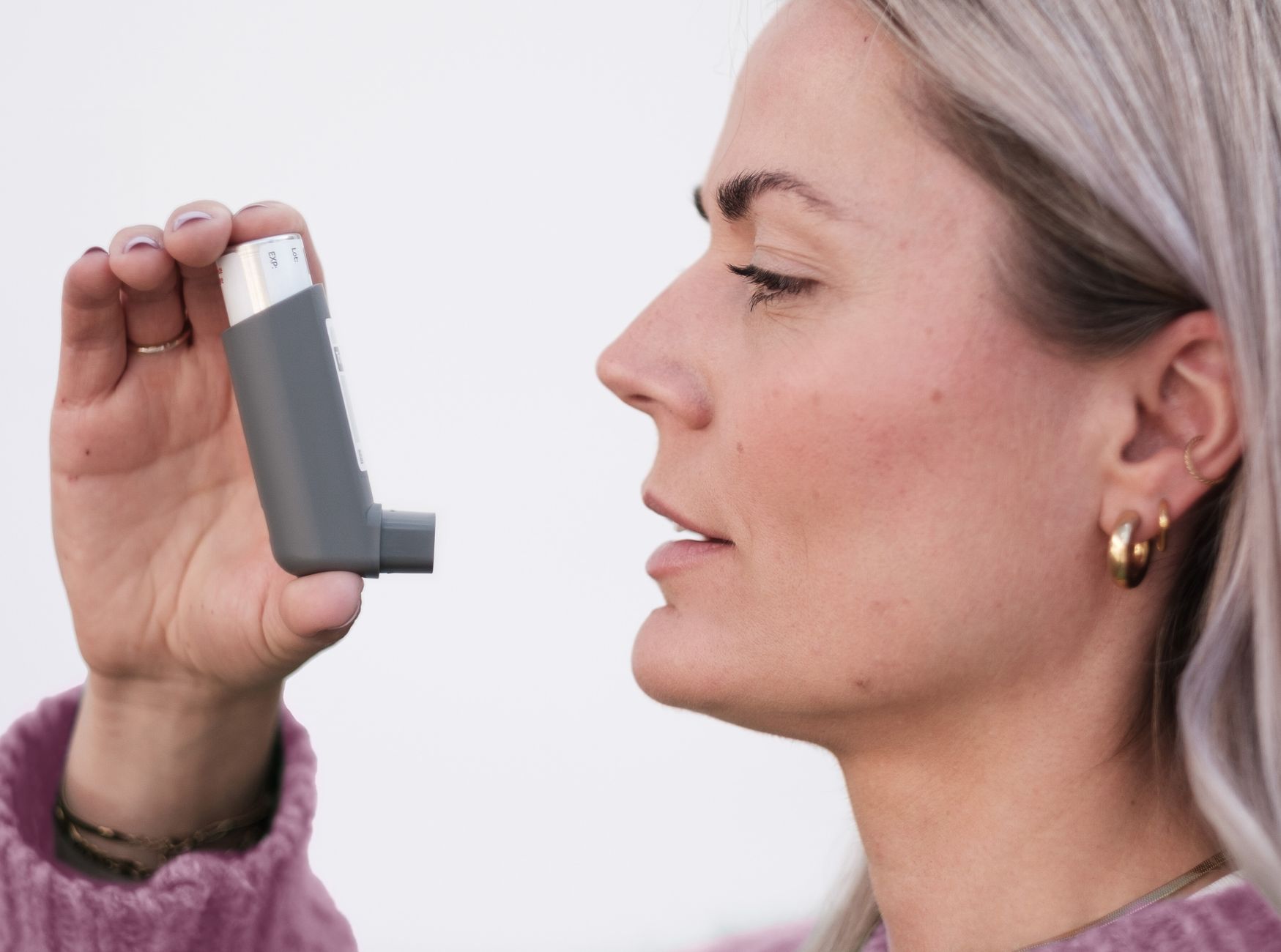
Spiriva, known generically as tiotropium bromide, is a widely prescribed long-term maintenance medication designed to manage symptoms of chronic obstructive pulmonary disease (COPD) and asthma. As an anticholinergic drug, it works by relaxing and opening the airways in the lungs, making breathing easier for patients. It is important to note that Spiriva is a daily preventive treatment and should not be used as a rescue inhaler during an acute asthma attack or sudden COPD flare-up.
Understanding Spiriva and Its Inhaler Forms
Spiriva is available in two distinct delivery systems: the Spiriva Respimat and the Spiriva HandiHaler. The Respimat device utilizes a cartridge containing liquid medication to deliver a fine mist that is inhaled into the lungs. This form is approved for both COPD and asthma patients. On the other hand, the HandiHaler is a dry powder inhaler that uses individual capsules. The device pierces the capsule, allowing the patient to inhale the dry powder. The HandiHaler is exclusively approved for treating COPD.
A critical safety aspect of the HandiHaler is that the capsules must never be swallowed. They are designed solely for oral inhalation through the device. Swallowing the capsules renders the medication ineffective, as it cannot reach the lungs through the digestive tract.
Approved Uses for COPD and Asthma
For individuals living with COPD, which includes chronic bronchitis and emphysema, both the Respimat and HandiHaler forms help maintain open airways throughout the day. Daily use reduces the frequency of debilitating flare-ups and improves overall lung function.
For asthma management, only the Spiriva Respimat is approved for adults and children aged six and older. Regular daily administration helps prevent asthma attacks, chest tightness, and wheezing by keeping the bronchial tubes relaxed. Patients must continue to keep a fast-acting rescue inhaler on hand for sudden breathing emergencies.
Recommended Dosage and Administration
The standard prescribed dosage for Spiriva is typically two inhalations once daily, regardless of whether it is used for asthma or COPD. Consistency is key to the effectiveness of this maintenance therapy, and it may take several weeks of continuous use to experience the full therapeutic benefits.
If a dose is missed, patients should take it as soon as they remember, but they must never take a double dose to make up for a missed one. Taking too much medication can increase the risk of adverse side effects.
Potential Side Effects and Safety Warnings
Like any prescription medication, Spiriva can cause side effects. Common mild reactions include dry mouth, sore throat, headache, and mild indigestion. These symptoms often resolve on their own as the body adjusts to the treatment.
Although rare, serious side effects can occur. These include new or worsening urinary retention, narrow-angle glaucoma, and paradoxical bronchospasm, which is an immediate tightening of the airways after inhalation. Patients with kidney disease or a history of allergic reactions to anticholinergics should discuss these risks thoroughly with their healthcare provider before starting treatment.
Proper Cleaning and Maintenance of Inhalers
Regular maintenance of the inhaler devices ensures proper dosing and hygiene. The Spiriva Respimat mouthpiece should be wiped clean weekly with a damp cloth or tissue, and it should never be submerged in water. Conversely, the HandiHaler device can be rinsed under warm running water as needed. After rinsing, the HandiHaler must be left to air-dry completely with all its compartments open before the next use.
Leave a Reply