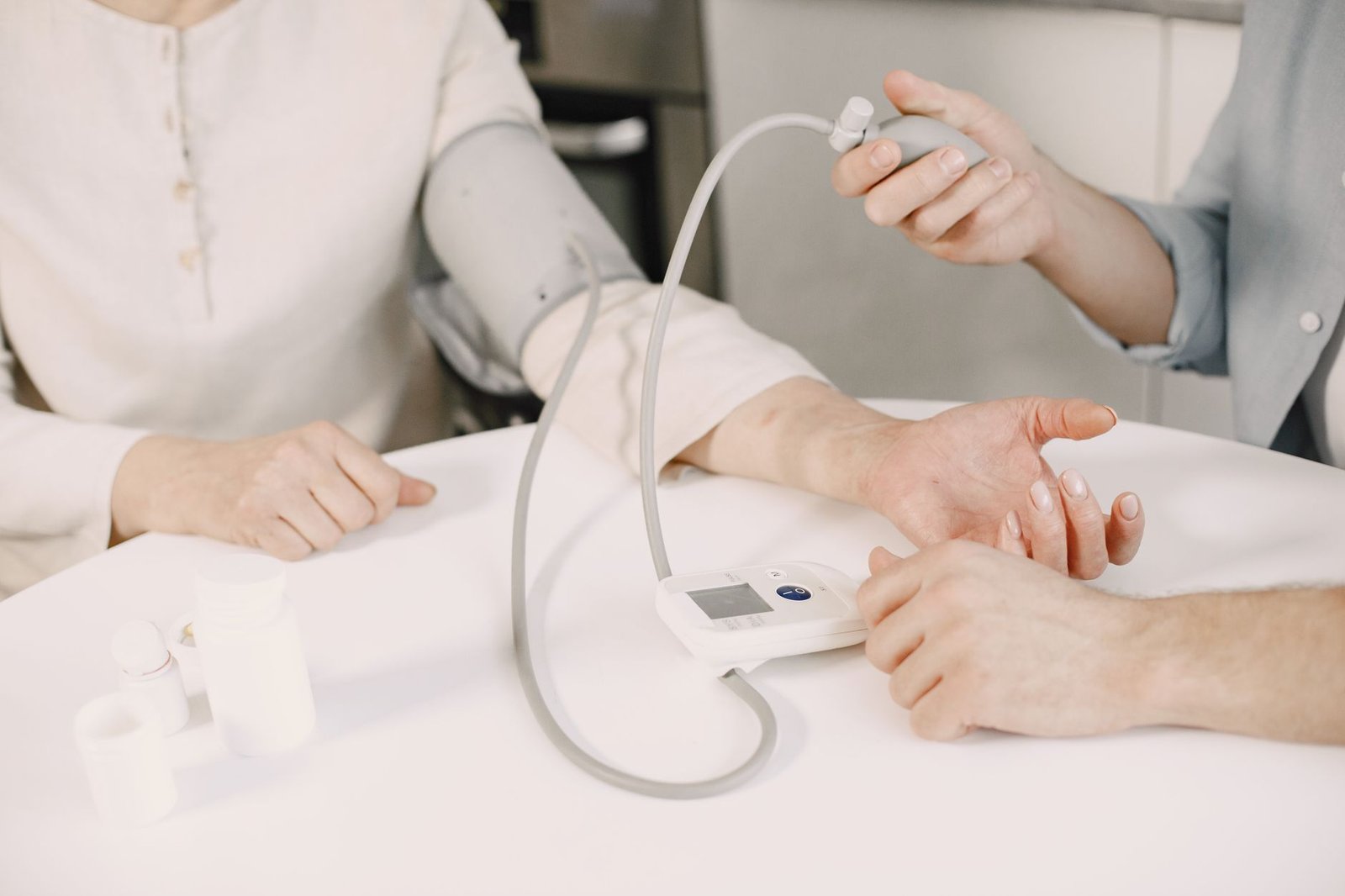
Maintaining good health throughout life is paramount, and preventive care plays a crucial role in achieving this goal. By adopting proactive health strategies, individuals can significantly enhance their quality of life and potentially extend their lifespan.
The Importance of Regular Medical Checkups
Regular visits to a healthcare professional are fundamental for early detection and prevention of potential health issues. The frequency of these checkups can vary based on age, health status, and individual risk factors. Establishing a consistent schedule with your doctor ensures that any emerging concerns are addressed promptly, contributing to long-term well-being.
Cultivating Healthy Habits for Longevity
Many aspects of a long and healthy life are within an individual’s control. Adopting a balanced diet, engaging in regular physical activity, and managing stress are key lifestyle choices that profoundly impact health. These habits, when formed early, can significantly reduce the risk of chronic diseases and promote vitality as one ages.
Understanding and Responding to Health Symptoms
It is vital to pay close attention to your body and not dismiss new or unusual symptoms as mere signs of aging. Certain symptoms, particularly in women and older adults, can indicate serious underlying health problems that require immediate medical attention. Promptly consulting a doctor about any concerning changes is a critical step in preventive health.
Navigating Health Tests and Screenings
As individuals age, the need for regular medical tests and screenings typically increases. These tests are designed to monitor various aspects of health, detect conditions early, and provide valuable insights into one’s overall well-being. Understanding which tests are recommended for your age group and health profile is an important part of proactive care.
Preventing Common Illnesses
Protecting oneself from common illnesses like colds, flu, and other infectious diseases is essential at any age. Simple yet effective measures, such as maintaining good hygiene, getting recommended vaccinations, and boosting the immune system through healthy living, can significantly reduce the risk of infection and its complications.
Choosing the Right Healthcare Professionals
Finding the right healthcare team is a cornerstone of effective preventive care. A primary care physician serves as the central point for most healthcare needs, guiding patients through various stages of life. Understanding the roles of different health professionals and how to choose a doctor who aligns with your values and needs, including finding allies for specific communities, is crucial for comprehensive care.
Ensuring Safety and Preventing Falls
For many, especially older adults, fall prevention is a critical aspect of maintaining independence and avoiding serious health complications. Implementing practical safety tips around the home and being aware of environmental hazards can significantly reduce the risk of falls. Additionally, exploring medical alert systems can provide an extra layer of safety and peace of mind.
Understanding Cognitive Health
Cognitive changes are a natural part of the aging process. However, understanding the nuances of cognitive decline and how doctors assess brain health is important. Regular monitoring and early intervention can help manage cognitive well-being as one ages.
Leave a Reply