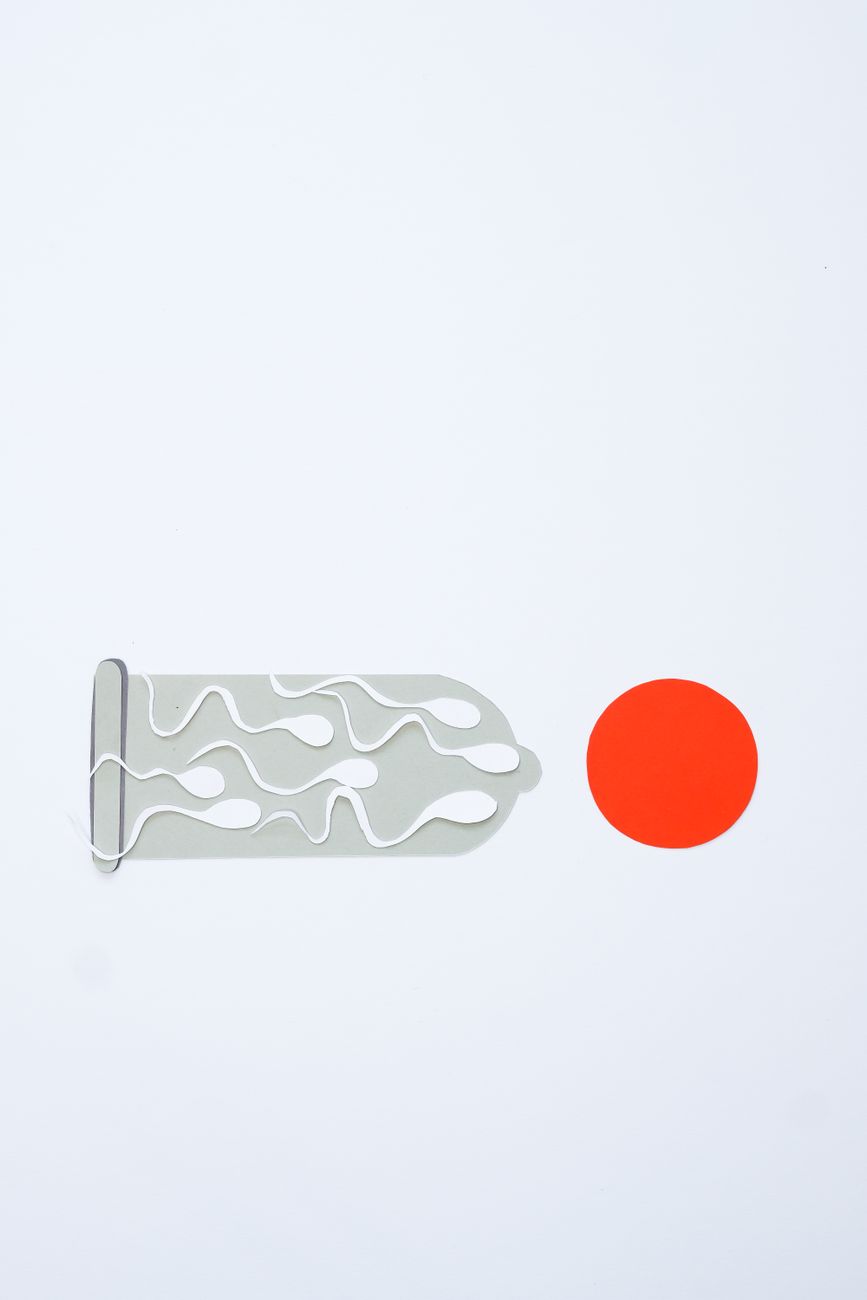
Understanding the menstrual cycle and the timing of ovulation is crucial for individuals seeking to prevent pregnancy through natural family planning methods. While often referred to as the “safe period,” it’s important to recognize that sperm can survive in the reproductive tract for several days, making precise timing essential and highlighting the inherent risks.
How Ovulation and Pregnancy Work
Ovulation is the process where an ovary releases an egg into a fallopian tube, ready for potential fertilization. This egg remains viable for fertilization for approximately 24 hours. If fertilization does not occur within this timeframe, the egg typically disintegrates, leading to menstruation.
For pregnancy to occur, sperm must travel from the vaginal canal, through the cervix, into the uterus, and finally into the fallopian tube to meet the egg. Sperm can remain alive within the reproductive tract for up to five days. Therefore, pregnancy is possible if sexual intercourse occurs up to five days before ovulation, as the sperm can wait for the egg’s release.
If an egg is fertilized, it then travels from the fallopian tube to the uterus, where it must implant into the uterine wall. This implantation process usually takes 6 to 10 days after ovulation. Pregnancy is confirmed only after successful implantation. If implantation does not happen, the uterine lining sheds, resulting in a menstrual period.
Can You Get Pregnant Around Your Period?
The likelihood of becoming pregnant immediately before a menstrual period is generally low, as ovulation and menstruation are typically separated by about two weeks. However, individuals with shorter menstrual cycles (the average cycle length is 28 days) might experience ovulation earlier than expected.
For instance, if sexual intercourse occurs towards the end of a period and ovulation happens early in the subsequent cycle, conception is possible. The closer sexual activity occurs to ovulation, the higher the chance of pregnancy. The “fertile window” is generally considered to be the 4 to 5 days leading up to ovulation, the day of ovulation itself, and the day immediately after ovulation.
Tracking this fertile window can be a useful strategy for those aiming to conceive or for those taking precautions to avoid pregnancy. However, for reliable pregnancy prevention, conventional birth control methods are typically recommended.
How to Identify Your Fertile Window
Predicting the fertile window involves fertility awareness methods (FAMs) or natural family planning. These methods rely on tracking various biomarkers associated with the menstrual cycle. Key methods include:
Calendar Method
This method is suitable for individuals with relatively regular menstrual cycles. By tracking the start date of each monthly period, one can estimate the fertile window. For a cycle lasting 26 to 32 days, the most fertile days are typically considered to be days 8 to 19, with day 1 being the first day of bleeding.
Cervical Mucus Method
Cervical mucus, a type of vaginal discharge, changes in consistency throughout the menstrual cycle. Many individuals observe an increase in thin, stretchy, and slippery discharge just before or during ovulation, often compared to raw egg whites. After ovulation, the discharge usually becomes less noticeable, thicker, or stickier. Regular observation of the amount, consistency, color, and odor of vaginal discharge can help identify fertility patterns.
Basal Body Temperature (BBT) Method
Basal body temperature is the body’s temperature at complete rest. It typically rises slightly (around 0.5°F or 0.3°C) during ovulation and remains elevated until the end of the menstrual cycle. Consistent daily temperature tracking using a special basal thermometer, taken immediately upon waking before any activity, can help map ovulation patterns.
Effectiveness of Fertility Awareness Methods at Preventing Pregnancy
Reliably determining the fertile window through tracking can take several months, and even then, 100% accuracy is not guaranteed. For individuals not trying to conceive, using barrier methods like condoms or other forms of contraception is often advised.
When implemented with meticulous charting and consistent application, fertility awareness methods can be highly effective, with reported effectiveness rates ranging from 91% to 99%. However, it’s important to note that up to 9 out of 100 individuals relying solely on FAMs for pregnancy prevention may still become pregnant.
Considering the potential for human error, the typical effectiveness of fertility awareness methods drops to approximately 76%. This means that about 24 out of 100 individuals using FAMs as their sole method of contraception may experience an unintended pregnancy.
Ultimately, tracking the fertile window is generally considered more effective for achieving pregnancy than for avoiding it. Factors such as stress, activity levels, and diet can influence menstrual cycle length and the timing of ovulation, which can vary from month to month. Consulting with a healthcare professional is recommended to discuss reliable birth control options or to prepare for potential pregnancy, depending on individual fertility goals.
Leave a Reply