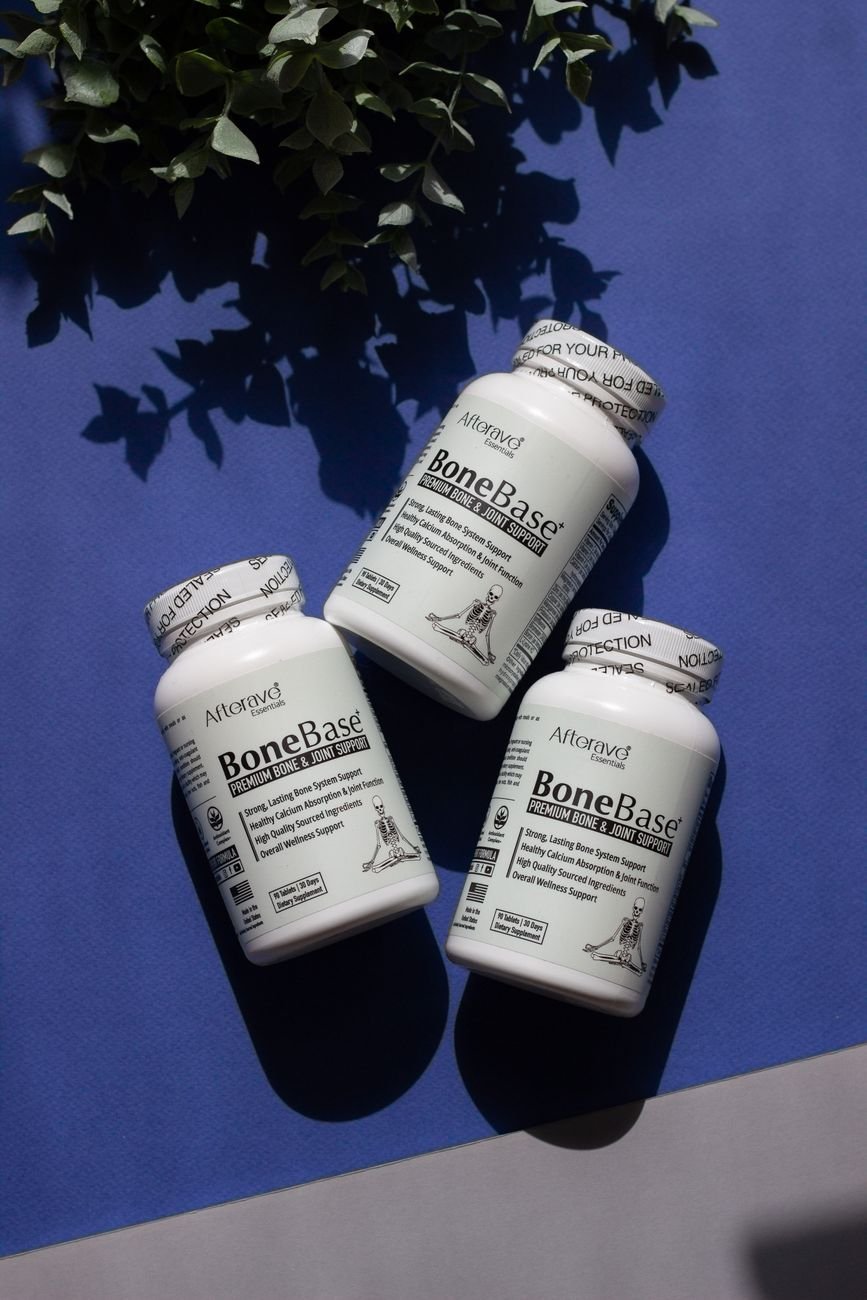
Osteoporosis, a condition characterized by weakened bones, can significantly impact quality of life. Taking proactive steps to prevent bone loss and maintain bone density is crucial for long-term health.
Engage in Regular Exercise
Weight-bearing exercises are fundamental for building and maintaining bone mass. These activities involve supporting your body weight with your bones, stimulating bone growth. Effective examples include walking, jogging, using an elliptical machine, dancing, and climbing stairs. Incorporating these into your routine can strengthen your skeletal system.
Ensure Adequate Calcium Intake
Calcium is a vital mineral for bone health. Adults typically require around 1,000 milligrams of calcium daily, though specific needs can vary based on age and life stage. Excellent dietary sources of calcium include low-fat dairy products, canned sardines and salmon (with bones), broccoli, beans or legumes, collard greens, kale, bok choy, and fortified foods like bread, cereal, and almond milk. For personalized advice on your calcium requirements, it is advisable to consult a healthcare professional.
Obtain Sufficient Vitamin D
Vitamin D plays a critical role in the body’s ability to absorb calcium effectively. Most individuals need approximately 400 international units (IU) of vitamin D each day. Brief, controlled sun exposure, about 10 to 15 minutes two to three times per week (even with sunscreen), can stimulate the body’s natural vitamin D production. Additionally, foods such as fortified milk, egg yolks, and salmon are good dietary sources of this essential vitamin.
Implement Fall Prevention Strategies
Preventing falls is a key aspect of protecting bone health, especially as bones may become more fragile. Indoors, measures include wearing non-slip shoes and socks, keeping electrical cords against walls, ensuring rooms are well-lit, securing carpets, having a flashlight by your bed, installing grab bars in bathrooms, and removing clutter from walkways. Outdoors, consider using supportive devices like a cane or walker, wearing rubber-soled shoes, walking on grass when sidewalks are wet, and using salt or kitty litter on icy pavements. Correcting poor vision with appropriate prescription glasses is also a significant preventive step. Furthermore, specific exercises can enhance balance and grip strength; a physical therapist can help design a tailored balance training program.
Avoid Unhealthy Substances
Certain lifestyle choices, such as smoking and alcohol misuse, are known to increase the risk of osteoporosis. Addressing these habits is important for bone health. Resources and support are available for individuals seeking to quit smoking or manage substance use. Consulting a doctor can provide guidance on cessation methods, supportive aids, or other helpful resources.
Leave a Reply