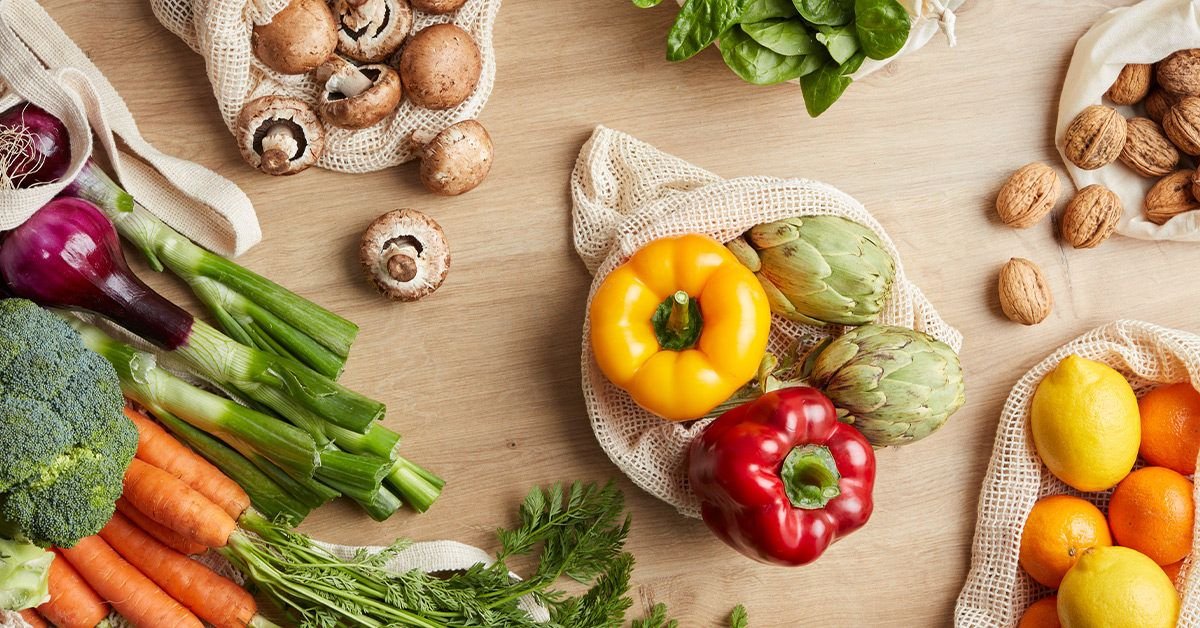
In recent years, grocery store shelves, restaurant menus, and public health discussions have undergone a remarkable transformation. Bright green labels proclaiming products as plant-based or vegan now adorn everything from dairy-free milks and artisanal cheeses to meatless burgers and pre-packaged meals. As dietary patterns shift globally toward reduced animal product consumption, these two terms have become ubiquitous in mainstream wellness culture. However, despite frequently being used interchangeably by food manufacturers and everyday consumers, plant-based and vegan represent distinct concepts with unique origins, motivations, and dietary parameters.
Understanding the precise distinctions between these dietary frameworks is more than just an exercise in semantics; it is crucial for anyone seeking to optimize personal health, make informed ethical choices, or navigate daily nutritional requirements effectively. While both dietary patterns place plant foods at the absolute center of the plate, their underlying philosophies diverge significantly. Veganism extends far beyond nutritional choices to encompass an all-encompassing lifestyle rooted in animal rights, whereas a plant-based diet focuses primarily on dietary composition and physical health outcomes.
Whether you are considering a complete lifestyle overhaul, looking to lower your cholesterol, or simply aiming to incorporate more vegetables into your weekly meal plan, gaining clarity on these terms will help you align your eating habits with your personal values and health objectives. In this comprehensive guide, we will examine the historical roots, key definitional differences, scientific health benefits, actionable practical strategies, and essential nutritional considerations for both plant-based eating and veganism.
Understanding the Core Definitions: Plant-Based vs. Vegan
To understand how these two concepts function, it is essential to trace their historical and philosophical foundations. The term vegan was created in 1944 by Donald Watson, founder of the Vegan Society. Watson defined veganism as a philosophy and way of living that seeks to exclude—as far as is possible and practicable—all forms of animal exploitation and cruelty for food, clothing, or any other purpose. Consequently, a vegan diet strictly excludes all animal-derived foods, including meat, poultry, seafood, dairy, eggs, honey, and gelatin. Beyond diet, veganism prohibits purchasing leather, wool, silk, cosmetics tested on animals, and household goods containing animal byproducts.
Conversely, the term plant-based was introduced to nutritional science in the 1980s by Dr. T. Colin Campbell. Originally defined to describe a low-fat, high-fiber dietary pattern centered around whole plant foods to prevent chronic illness, plant-based today occupies a broader spectrum. At its core, a plant-based diet emphasizes foods derived from plant sources—such as fruits, vegetables, legumes, whole grains, nuts, and seeds—while minimizing or eliminating animal products. Unlike veganism, plant-based is strictly a dietary description rather than a lifestyle philosophy, carrying no implicit directives regarding clothing, entertainment, or non-food consumer items.
Furthermore, the term plant-based permits varying degrees of dietary flexibility. Some individuals following a plant-based diet eat strictly plants, while others adhere to a flexitarian pattern, occasionally consuming small portions of fish, dairy, or poultry. Nutritionists also distinguish between a generic plant-based diet—which may include processed vegan foods like refined sugars, white flour, and ultra-processed plant meats—and a Whole Foods, Plant-Based (WFPB) diet. A WFPB approach actively minimizes processed foods, added oils, and refined ingredients, focusing exclusively on unrefined whole plant foods to achieve maximum health benefits.
Key Health Benefits and Scientific Evidence
- Cardiovascular Health Optimization: Clinical research consistently shows that diets rich in whole plant foods significantly lower blood pressure, reduce systemic inflammation, and decrease low-density lipoprotein cholesterol levels. Replacing saturated fats from animal products with heart-healthy unsaturated fats and soluble fiber helps protect arterial health and reduce long-term risk of heart disease.
- Enhanced Weight Management and Metabolic Health: High-fiber plant foods provide substantial dietary volume with fewer calories, promoting satiety and helping maintain a healthy body mass index. Studies consistently link plant-based eating patterns to improved insulin sensitivity and a markedly reduced risk of developing type 2 diabetes.
- Improved Digestive Function and Microbiome Diversity: Dietary fiber serves as an essential prebiotic, nourishing beneficial gut bacteria. A diverse, plant-rich diet fosters a resilient gut microbiome, which is strongly associated with enhanced immune function, optimized nutrient absorption, and reduced systemic inflammation throughout the body.
- Reduced Environmental Footprint: Both plant-based and vegan diets require substantially less land, water, and fossil fuel energy compared to conventional animal agriculture. Reducing animal product consumption directly correlates with lower personal carbon emissions and reduced pressure on global biodiversity and natural ecosystems.
While both dietary patterns offer substantial health and environmental advantages, the degree of physical benefit derived depends heavily on overall food quality. A vegan diet rich in ultra-processed snacks, sugary beverages, and deep-fried foods may lack the micronutrients and fiber necessary for optimal physical wellness. Conversely, a whole-food plant-based framework ensures a continuous supply of antioxidants, vitamins, and minerals that protect against chronic oxidative stress and cellular aging.
Practical Guide: How to Transition to a Plant-Centric Diet
Transitioning to a plant-centric lifestyle does not require an overnight transformation; in fact, gradual changes often lead to more sustainable long-term habits. Begin by adopting a crowding out strategy: focus on adding nutrient-dense plant foods to your current meals rather than abruptly eliminating habitual staples. For example, add a scoop of chia seeds to morning oatmeal, toss an extra cup of leafy greens into soup, or substitute lentils for half the ground meat in a pasta sauce. Over time, plant ingredients naturally become the primary focus of your plate.
Next, focus on building a robust pantry stock filled with versatile, shelf-stable whole foods. Keep a ready supply of canned legumes such as chickpeas, black beans, and lentils, along with whole grains like quinoa, brown rice, and oats. Stocking up on raw nuts, seeds, and dried herbs provides the building blocks for satisfying meals. Learning basic culinary techniques—such as roasting root vegetables with aromatic spices, preparing flavorful grain bowls, and making creamy dressings using tahini or soaked cashews—makes plant-centric meals satisfying, nutrient-dense, and simple to prepare consistently.
Navigating Labels, Dining Out, and Lifestyle Choices
Navigating grocery store aisles and restaurant menus requires distinct strategies depending on whether you follow a vegan or plant-based framework. If your primary goal is ethical veganism, reading ingredient labels carefully is critical to identify hidden animal products such as whey, casein, gelatin, carmine, and animal-derived vitamin D3. Additionally, vegans typically search for certified cruelty-free logos on cosmetics, personal care items, and clothing to ensure no animal testing or animal-derived fibers were utilized during production.
For those focusing on a health-driven plant-based diet, reading ingredient lists is equally vital, but for a different purpose: identifying added sugars, excess sodium, refined oils, and hyper-processed additives. When dining out, plant-based eaters can look for dishes centered around whole grains, beans, and fresh vegetables, or request minor modifications to existing menu options. Communicating dietary preferences clearly to restaurant staff helps ensure your meal aligns with both your nutritional targets and personal ethical standards.
Frequently Asked Questions
Can someone follow a plant-based diet without being fully vegan?
Yes, absolutely. A plant-based diet describes how a person chooses to eat, focusing primarily on foods derived from plants, whereas veganism is an all-encompassing lifestyle rooted in animal rights. An individual can follow a plant-based diet for cardiovascular or environmental reasons while still wearing leather shoes, using non-vegan cosmetics, or occasionally consuming small amounts of dairy or seafood. In short, all dietary vegans eat plant-based, but not all plant-based eaters are full lifestyle vegans.
What nutrients require special attention on a plant-only diet?
Individuals consuming a strictly plant-based or vegan diet must pay attention to key nutrients typically abundant in animal foods. Vitamin B12 is essential and must be obtained through fortified foods or daily supplementation, as plants do not produce B12 naturally. Additionally, monitoring intake of iron, zinc, calcium, iodine, and long-chain omega-3 fatty acids is important. Combining iron-rich plant foods like lentils and spinach with vitamin C enhances iron absorption, while microalgae-based supplements provide a direct plant source of essential omega-3 fats.
Is a vegan or plant-based diet automatically healthy?
Not automatically. A diet can be strictly vegan yet consist entirely of heavily processed foods, refined sugars, deep-fried snacks, and artificial beverages—often referred to as junk food veganism. While these choices align with ethical principles regarding animal welfare, they lack essential fiber, vitamins, and minerals required for optimal metabolic health. To maximize physical well-being, both vegans and plant-based eaters should prioritize whole, minimally processed plant foods like vegetables, fruits, whole grains, nuts, and legumes.
The distinction between a plant-based diet and a vegan lifestyle lies in scope, motivation, and execution. While plant-based serves as a flexible dietary framework designed to prioritize whole plant foods for personal health and environmental benefits, veganism represents an overarching philosophy aimed at eliminating animal exploitation in every facet of life. Neither approach is inherently superior; rather, each offers a unique pathway toward conscious living and improved physical well-being.
Ultimately, deciding between a plant-based diet and a vegan lifestyle comes down to your personal goals, values, and health needs. By focusing on nutrient-dense whole plant foods, staying mindful of essential micronutrients, and making conscious consumer choices, you can successfully embrace a plant-centric lifestyle that supports long-term vitality while positively impacting the world around you.
Leave a Reply