Over the past decade, plant-based nutrition has shifted from a niche dietary choice to a mainstream global health movement. Driven by emerging clinical research, personal wellness goals, and heightened environmental awareness, millions of people are incorporating more botanical proteins into their daily meals. Whether adopting a fully vegan lifestyle, identifying as a flexible vegetarian, or simply reducing animal product consumption, individuals across all demographics are discovering the profound physiological and ecological benefits of plant-centered eating.
This cultural shift is supported by a growing variety of accessible food options. Beyond traditional staples like black beans, lentils, chickpeas, and tofu, modern grocery shelves feature innovative legume isolates, seed-based powders, and textured grain preparations. However, navigating this expanding marketplace requires a clear understanding of nutrition science. Discerning between nutrient-dense whole foods and heavily processed convenience items is essential for maximizing long-term health outcomes.
Transitioning toward a plant-forward diet raises practical questions regarding protein quality, nutrient bioavailability, muscle synthesis, and total dietary balance. By examining the biological mechanisms, evidence-based benefits, and strategic meal planning methods associated with plant proteins, consumers can build a resilient, nourishing diet that supports personal longevity and environmental stewardship.
Understanding Plant-Based Proteins: Biochemistry and Mechanisms
Protein is a foundational macronutrient composed of twenty distinct amino acids, nine of which are categorized as essential because the human body cannot synthesize them internally. For decades, a common nutritional misconception held that plant proteins were inherently inferior to animal proteins because individual plant foods often lack one or more of these essential amino acids in optimal ratios. Consequently, early dietary guidelines urged plant-based eaters to meticulously pair specific foods—such as rice and beans—within a single meal to form a complete protein profile.
Modern nutritional science has thoroughly debunked the necessity of simultaneous amino acid complementation. The human body maintains an internal pool of free amino acids derived from continuous metabolic breakdown and dietary intake. So long as a person consumes a varied array of plant foods over a 24-hour period and meets total daily caloric requirements, the body efficiently pools these building blocks to synthesize all required proteins. Certain plant foods, including soybeans, quinoa, amaranth, and hemp seeds, do contain all nine essential amino acids in well-balanced proportions on their own.
Beyond amino acids, plant-based protein sources differ fundamentally from animal sources in their complete nutritional matrix. When consuming plant protein, you receive macronutrients bound alongside dietary fiber, antioxidants, phytochemicals, and complex carbohydrates. Conversely, animal proteins are typically paired with saturated fatty acids, dietary cholesterol, and zero fiber. Furthermore, while the overall digestibility score of intact plant proteins is slightly lower than that of meat or eggs due to cellular wall structures and naturally occurring phytates, simple culinary techniques—such as soaking, sprouting, fermenting, and thorough cooking—substantially increase protein availability and nutrient uptake in the digestive tract.
Evidence-Based Benefits for Human Health and Ecological Systems
Scientific research overwhelmingly indicates that prioritizing plant-based protein yields multifaceted health advantages while mitigating long-term chronic disease risk. Replacing saturated animal fats with plant-derived protein sources drastically alters physiological biomarkers across multiple biological systems.
- Cardiovascular Health Optimization: Clinical trials demonstrate that swapping animal-derived proteins for plant proteins significantly reduces total serum cholesterol, low-density lipoprotein (LDL) cholesterol, and apolipoprotein B. The high fiber and phytosterol content in legumes and grains helps bind bile acids in the digestive tract, encouraging the liver to clear excess circulating cholesterol.
- Glycemic Control and Metabolic Resilience: Plant proteins are naturally paired with slow-digesting complex carbohydrates and soluble fiber. This structural composition delays gastric emptying and glucose absorption, resulting in stabilized blood sugar levels, enhanced insulin sensitivity, and a reduced risk of developing type 2 diabetes.
- Microbiome Diversity and Gut Health: Unlike animal products, plant protein sources deliver prebiotic fiber and resistant starch. These compounds nourish beneficial gut bacteria, stimulating the production of short-chain fatty acids like butyrate, which fortify the intestinal barrier and attenuate systemic inflammation.
- Weight Management and Satiety: High-fiber plant foods promote greater satiety per calorie compared to low-fiber, high-fat animal products. Studies show that individuals following plant-dominant diets tend to maintain a healthier body mass index over time without restrictive caloric tracking.
- Environmental and Ecological Sustainability: On a planetary scale, producing plant-based protein requires substantially fewer resources than livestock farming. Shifting toward plant sources reduces agricultural greenhouse gas emissions, minimizes land clearing, and lowers freshwater consumption exponentially.
These biological and ecological benefits demonstrate that plant-based protein is not merely an alternative to meat, but a superior foundational nutrient source for overall human longevity and planetary preservation.
Strategic Meal Planning and Selecting High-Quality Plant Proteins
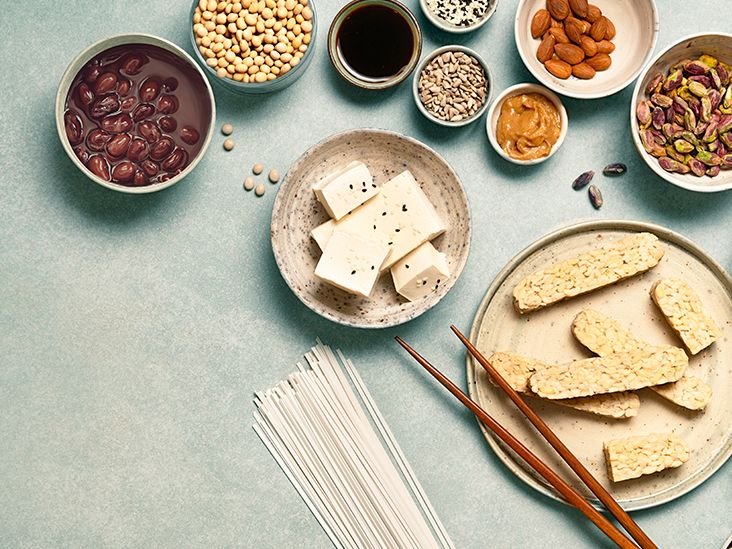
To build a balanced plant-based diet, it is helpful to categorize available protein sources by their nutritional profiles and processing levels. Whole, minimally processed foods should form the cornerstone of your daily intake. Legumes—including lentils, chickpeas, black beans, and kidney beans—offer exceptional protein density alongside iron, folate, and potassium. Soy products like tofu, tempeh, and edamame are complete protein powerhouses that adapt easily to varied culinary styles, while tempeh offers added probiotic benefits through natural fermentation processes.
Seitan, made from vital wheat gluten, provides a dense, chewy texture with high protein concentration, making it a popular option for savory dishes. Ancient grains such as quinoa, amaranth, farro, and teff supply consistent protein alongside vital trace minerals. Nuts, seeds, peanut butter, and tahini deliver healthy monounsaturated and polyunsaturated fats along with moderate protein, making them ideal for snacks, dressings, and breakfast toppers.
While whole foods are optimal, processed plant-based meat substitutes and convenience foods have become ubiquitous. Products like plant-based burgers, sausages, and nuggets offer convenient alternatives during social gatherings or busy workdays. However, consumers should inspect nutrition labels carefully. Many engineered meat substitutes contain added sodium, refined oils, and saturated fats (such as coconut or palm oil) comparable to or exceeding animal meats. Treating ultra-processed options as periodic treats rather than daily foundational staples ensures your dietary pattern remains aligned with long-term health goals.
Practical Steps for a Seamless Dietary Transition and Nutrient Optimization
Successfully shifting toward a plant-heavy dietary model requires thoughtful execution to avoid common nutritional oversights and digestive discomfort. A common mistake when dramatically increasing plant food intake is introducing high amounts of fiber too quickly. To prevent abdominal bloating and gas, increase your fiber intake gradually over several weeks while maintaining high fluid consumption throughout the day.
Optimizing micronutrient status is another crucial step. Plant sources contain non-heme iron, which is less readily absorbed by the digestive tract than animal-based heme iron. To enhance iron absorption, pair iron-rich foods like lentils or spinach with vitamin C sources such as citrus fruits, bell peppers, or tomatoes during meals. Additionally, avoid drinking coffee or tea alongside iron-heavy meals, as polyphenols and tannins can inhibit mineral absorption.
Crucially, individuals who transition to a fully vegan diet must establish a reliable source of vitamin B12. Because vitamin B12 is synthesized by microorganisms and absent in unfortified plant foods, relying solely on natural plant sources will lead to deficiency over time. Incorporating a daily or weekly B12 supplement, alongside B12-fortified foods like plant milks and nutritional yeast, is essential for preserving nerve function and preventing anemia. Finally, aim for consistency by meal-prepping cooked grains, roasted legumes, and versatile sauces at the start of each week.
Frequently Asked Questions
Do I need to combine specific plant proteins at every meal to ensure I get all essential amino acids?
No, you do not need to combine complementary proteins at individual meals. While plant foods vary in their amino acid profiles, your body maintains an internal pool of amino acids throughout the day. As long as you consume a diverse mix of whole plant foods across 24 hours and meet your total caloric needs, your body will naturally gather all essential amino acids required for optimal tissue repair and metabolic function.
Can plant-based protein effectively support muscle growth and athletic performance?
Yes, athletic performance and muscle hypertrophy can be fully sustained on a plant-based diet. Clinical research shows that when total daily protein and leucine requirements are met, plant protein sources—such as soy, pea, and rice protein blends—stimulate muscle protein synthesis just as effectively as animal proteins like whey. Athletes simply need to consume slightly larger volume portions or utilize high-quality protein powders to hit elevated intake goals.
Are processed plant-based meat substitutes healthy options for daily consumption?
While processed meat alternatives offer a helpful transitional bridge for new plant-based eaters, they should generally be enjoyed in moderation. Many commercial plant burgers and engineered meats contain elevated sodium, refined starches, and saturated fats to mimic meat textures and flavors. For peak cardiovascular and metabolic health, prioritize whole plant foods like lentils, beans, tofu, and tempeh as your primary daily protein sources.
The Future of Sustainable Nutrition
Embracing plant-based protein represents one of the most impactful choices an individual can make for personal health and global environmental sustainability. Decades of nutritional research confirm that plant-centered diets rich in legumes, whole grains, seeds, and minimally processed soy products promote robust cardiovascular health, foster metabolic balance, support gut microbiome diversity, and lower the risk of chronic illness.
By moving beyond outdated protein myths, prioritizing whole-food nutrition, and strategically addressing micronutrients like vitamin B12 and non-heme iron, you can construct a delicious, deeply satisfying diet that fulfills every physiological need. Whether your goal is to optimize athletic performance, reduce your ecological footprint, or simply protect long-term vitality, integrating high-quality plant proteins into your daily routine offers a proven, lifelong path toward vibrant health.
Leave a Reply