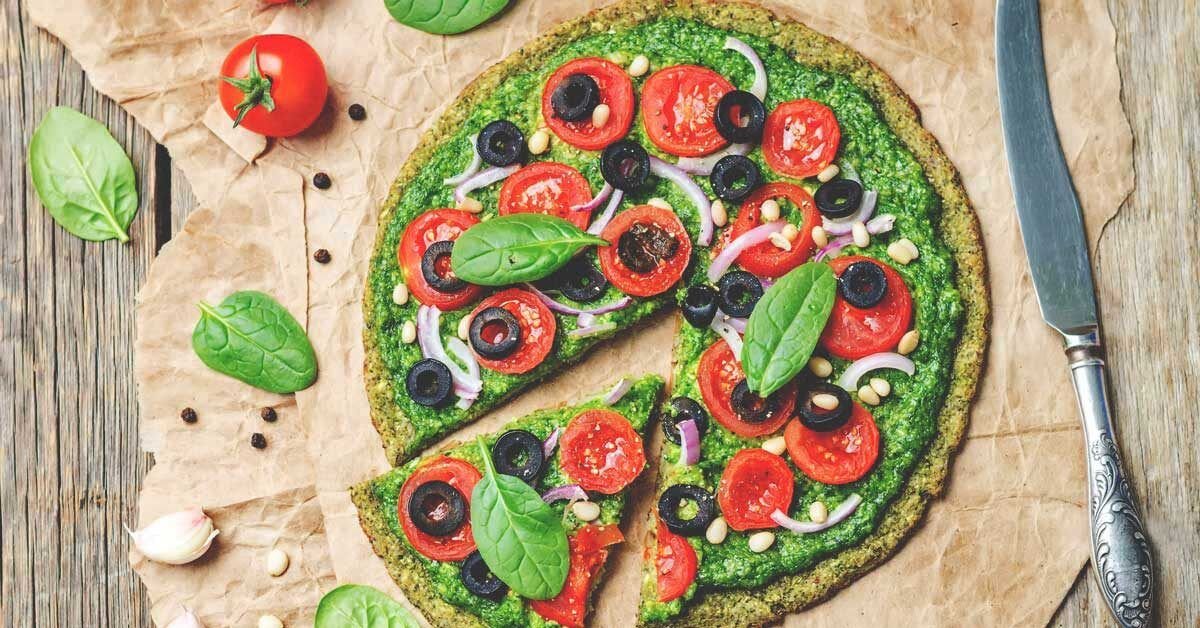
In recent years, the dietary landscape has undergone a monumental shift. What was once considered a fringe lifestyle choice practiced by a small percentage of the population has rapidly evolved into a major global wellness movement. Plant-based eating, specifically strict veganism, has captured the attention of world-class athletes, medical researchers, environmental scientists, and everyday individuals seeking to optimize their physical health. Driven by an intersection of personal health goals, environmental sustainability concerns, and ethical considerations, millions of people worldwide are re-evaluating their relationship with animal-derived products. However, stepping away from traditional omnivorous eating requires far more than simply removing meat from your dinner plate; it demands an intentional restructuring of your daily nutritional architecture.
From a clinical and epidemiological perspective, the health implications of transitioning to a plant-based diet are vast and well-documented. Extensive research indicates that individuals consuming well-planned vegan diets often demonstrate lower rates of ischemic heart disease, improved systemic metabolic profiles, reduced body mass indexes, and lower incidences of chronic metabolic conditions such as type 2 diabetes. However, the operative phrase remains ‘well-planned.’ The human metabolic engine requires a sophisticated blend of macro- and micronutrients to thrive, and eliminating entire food groups creates both distinct physiological advantages and critical nutritional vulnerabilities that must be intelligently navigated.
Embarking on a vegan journey successfully requires shifting your mindset from food restriction to nutritional optimization. It is not merely about what you eliminate, but rather about the diversity, quality, and bioavailability of the plant foods you introduce to your plate. Whether you are driven by a desire to improve cardiovascular endurance, reduce biological markers of inflammation, manage body weight, or lower your ecological footprint, mastering the science of plant-based nutrition is essential. This comprehensive guide serves as an authoritative, science-backed roadmap designed to equip you with the knowledge, strategic frameworks, and practical tools necessary to build a sustainable, vibrant, and nutritionally complete vegan lifestyle.
What It Is and How It Works: The Mechanics of Plant-Based Physiology
At its core, a vegan diet is defined by the complete exclusion of all animal products and byproducts. This means abstaining from land and sea animals—including poultry, beef, pork, fish, and shellfish—as well as dairy products, eggs, honey, gelatin, and lesser-known animal-derived additives like casein, whey, and shellac. While the fundamental definition is straightforward, the operational application of veganism varies significantly across different dietary archetypes. Understanding these variations is crucial for optimizing health outcomes and avoiding common nutritional pitfalls.
To understand why a plant-based diet exerts such profound effects on human health, one must examine its physiological mechanisms. When an individual shifts away from animal products, their dietary intake undergoes a dramatic composition change: dietary fiber, complex carbohydrates, phytonutrients, antioxidants, and unsaturated fats increase substantially, while saturated fat, dietary cholesterol, heme iron, and advanced glycation end-products (AGEs) decline precipitously. Fiber, which is entirely absent in animal tissue, acts as a powerful metabolic regulator. Upon entering the large intestine, soluble and insoluble fibers are fermented by native gut microbes, producing short-chain fatty acids (SCFAs) such as acetate, propionate, and butyrate. These SCFAs reinforce gut barrier integrity, downregulate systemic inflammation, regulate appetite hormones like peptide YY and GLP-1, and improve peripheral insulin sensitivity.
Furthermore, plant foods are exceptionally rich in polyphenols and phytochemicals—bioactive compounds that act as cellular repair agents. These compounds activate endogenous antioxidant defense pathways, reduce oxidative stress at the endothelial level, and protect vascular walls from atherosclerotic plaque accumulation. Simultaneously, the drastic reduction in dietary saturated fat leads to a down-regulation of low-density lipoprotein (LDL) receptor clearance inhibitors in the liver, allowing hepatic cells to clear circulating LDL cholesterol from the bloodstream far more efficiently.
However, the health outcomes of a vegan diet depend heavily on the specific dietary pattern implemented. The main variations include:
- Whole-Food Vegan Diet: Grounded in minimally processed plants, emphasizing legumes, whole grains, nuts, seeds, tubers, fresh fruits, and vegetables. This approach delivers maximum nutrient density and therapeutic health benefits.
- Raw-Food Vegan Diet: Comprises plant foods that have not been heated above 118°F (48°C), relying heavily on raw fruits, vegetables, soaked nuts, sprouted grains, and seeds to preserve enzyme activity.
- Starch-Based / High-Carb, Low-Fat Diet: Focuses on cooked, nutrient-dense starch sources such as potatoes, sweet potatoes, brown rice, oats, and corn, with minimal added fats or oils.
- Junk-Food Vegan Diet: Relies heavily on ultra-processed, commercially prepared vegan products, mock meats, refined sugars, fried items, and hydrogenated oils. While technically free of animal products, this pattern lacks fiber and essential micronutrients, frequently resulting in poor metabolic health outcomes.
Key Benefits and Evidence-Based Outcomes
Decades of nutritional epidemiology and clinical trials have evaluated the physiological impacts of plant-based diets. When constructed using nutrient-dense whole foods, a vegan diet offers exceptional biological advantages across multiple physiological systems. Below are the primary evidence-based benefits observed in clinical settings:
- Superior Cardiovascular Risk Reduction: Clinical studies consistently demonstrate that whole-food plant-based diets significantly lower total and LDL cholesterol, blood pressure, and biological markers of vascular inflammation. The absence of dietary cholesterol combined with high soluble fiber intake significantly reduces the risk of developing coronary artery disease and ischemic stroke.
- Enhanced Glycemic Control and Reversal of Insulin Resistance: By eliminating saturated fats that contribute to intramyocellular lipid accumulation—a key driver of insulin resistance—plant-based diets improve cell sensitivity to circulating insulin. Clinical trials show marked reductions in HbA1c levels among individuals with type 2 diabetes following a whole-food plant-based intervention.
- Sustainable Weight Management and Reduced Caloric Density: Whole plant foods naturally possess a low caloric density paired with high volume and fiber content. This physical bulk expands the stomach lining, triggering mechanoreceptors that send satiety signals to the brain, allowing individuals to lose visceral and body fat without experiencing chronic biological hunger.
- Microbiome Diversification and Gut Health: The diverse prebiotic fibers found in plant foods feed beneficial gut bacteria species, such as Bifidobacteria and Roseburia. A thriving, diverse microbiome reduces gut permeability, mitigates chronic low-grade inflammation, and positively influences the gut-brain axis.
- Lower Risk of Specific Cancers: The World Health Organization classifies processed meat as a Group 1 carcinogen and red meat as Group 2A. Replacing these with antioxidant-rich plants provides bioavailable compounds that neutralize free radicals, suppress tumor cell proliferation, and encourage apoptosis in dysfunctional cells.
The cumulative scientific evidence indicates that the human body responds favorably to an abundance of complex plant foods. However, achieving these physiological benefits requires deliberate effort to maintain proper micronutrient status and prevent metabolic deficiencies.
Navigating Essential Nutrients and Preventing Deficiencies
The most crucial step in adopting a long-term vegan lifestyle is recognizing that certain essential nutrients are far less abundant—or altogether absent—in plant foods. A scientifically sound vegan strategy directly addresses these gaps through targeted food choices and evidence-based supplementation.
Vitamin B12 (Cobalamin): Vitamin B12 is produced by soil-dwelling bacteria, not plants or animals. Because modern agricultural sanitation removes soil residues, plant foods do not reliably provide bioavailable B12. A long-term B12 deficiency leads to irreversible neurological damage, megaloblastic anemia, cognitive impairment, and elevated homocysteine levels, which increase cardiovascular risk. Every individual following a vegan diet must take a daily or weekly cyanocobalamin or methylcobalamin supplement, or consistently consume properly fortified foods.
Omega-3 Fatty Acids (EPA and DHA): Plant foods like flaxseeds, chia seeds, walnuts, and hemp seeds are rich in Alpha-Linolenic Acid (ALA), a short-chain omega-3 fatty acid. However, the human body’s enzymatic conversion rate of ALA into long-chain active forms—Eicosapentaenoic Acid (EPA) and Docosahexaenoic Acid (DHA)—is remarkably inefficient (often below 5-10%). EPA and DHA are critical for neurological function, ocular health, and downregulating systemic cardiovascular inflammation. To ensure optimal tissue concentrations, vegans should consider taking a daily microalgae-derived EPA/DHA supplement, bypassing the middle step of animal consumption.
Iron and Bioavailability Optimization: Plant foods contain non-heme iron, which is less readily absorbed by the human intestinal lumen compared to the heme iron found in animal tissue. Inhibitors such as phytates (found in unsoaked grains and legumes) and polyphenols (in tea and coffee) can further impair absorption. To optimize iron status without supplements, pair non-heme iron sources (spinach, lentils, tofu, pumpkin seeds) with potent sources of Vitamin C (ascorbic acid, found in citrus fruits, bell peppers, and broccoli). Vitamin C chemically reduces ferric iron to ferrous iron, increasing intestinal absorption up to sixfold.
Calcium, Vitamin D3, Zinc, and Iodine: Calcium demands can easily be met by consuming low-oxalate dark leafy greens (kale, bok choy, collard greens), calcium-set tofu, tahini, and fortified plant milks. Vitamin D3, essential for calcium homeostasis and immune function, should be obtained through sun exposure or daily vegan D3 supplementation (derived from lichen). Zinc absorption can be optimized by consuming sprouted grains, legumes, and seeds, while iodine requirements are reliably met using modest amounts of iodized salt or sea vegetables like kelp or nori.
A Practical 7-Day Blueprint and Transition Strategy
Transitioning to a plant-based diet successfully requires a structured, meal-by-meal framework. Rather than focusing on what to cut out, construct meals around a four-part plate model: 25% whole grains or starchy tubers, 25% plant-based protein (legumes, tofu, tempeh), and 50% non-starchy vegetables, accompanied by a small portion of healthy plant fats (nuts, seeds, avocado).
Here is an exemplary, nutrient-dense 7-day meal outline showcasing how varied, satisfying, and complete a whole-food vegan diet can be:
Day 1:
• Breakfast: Steel-cut oatmeal prepared with soy milk, topped with ground flaxseeds, blueberries, walnuts, and a dash of cinnamon.
• Lunch: Mediterranean quinoa bowl featuring steamed chickpeas, cucumber, cherry tomatoes, Kalamata olives, parsley, and a lemon-tahini dressing.
• Dinner: Tofu and vegetable stir-fry cooked with broccoli, bell peppers, and snap peas over brown rice, garnished with toasted sesame seeds.
• Snack: Sliced apple with natural almond butter.
Day 2:
• Breakfast: Tofu scramble cooked with turmeric, spinach, nutritional yeast, and diced tomatoes, served alongside whole-grain sourdough toast.
• Lunch: Hearty lentil vegetable soup paired with a side green salad topped with pumpkin seeds and balsamic vinaigrette.
• Dinner: Black bean and sweet potato burritos wrapped in whole-wheat tortillas, served with fresh salsa and avocado slices.
• Snack: Roasted edamame beans and a handful of mixed berries.
Day 3:
• Breakfast: Green smoothie blended with kale, frozen banana, hemp seeds, soy protein powder, and unsweetened almond milk.
• Lunch: Whole-grain wrap stuffed with hummuses, grated carrots, shredded red cabbage, spinach, and baked tempeh strips.
• Dinner: Whole-wheat pasta with a rich red lentil bolognese sauce, served with steamed asparagus.
• Snack: Carrot and celery sticks dipped in homemade guacamole.
Day 4:
• Breakfast: Chia seed pudding made with unsweetened soy milk, layered with fresh raspberries and slivered almonds.
• Lunch: Warm grain bowl featuring wild rice, roasted butternut squash, kale, and steamed white beans with a pumpkin seed dressing.
• Dinner: Indian-style chickpea and spinach curry (Chana Masala) prepared with light coconut milk, served with basmati brown rice.
• Snack: A small handful of Brazil nuts and dried figs.
Day 5:
• Breakfast: Whole-grain toast topped with mashed avocado, hemp hearts, microgreens, and a sprinkle of black salt (kala namak).
• Lunch: Sesame-ginger noodle salad made with buckwheat black-soba, edamame, shredded cabbage, bell peppers, and peanuts.
• Dinner: Baked tempeh cubes, roasted Brussels sprouts, and mashed sweet potatoes served with a savory mushroom gravy.
• Snack: Air-popped popcorn lightly dusted with nutritional yeast.
Day 6:
• Breakfast: Overnight oats made with rolled oats, chia seeds, soy milk, dark cocoa powder, and sliced banana.
• Lunch: Cuban black bean bowl with brown rice, sautéed bell peppers and onions, fried plantains, and fresh cilantro.
• Dinner: Thai red curry packed with air-fried extra-firm tofu, bamboo shoots, zucchini, and purple eggplant over jasmine brown rice.
• Snack: Sliced pear served with cashew butter.
Day 7:
• Breakfast: Buckwheat pancakes topped with fresh strawberries and a light drizzle of pure maple syrup.
• Lunch: Roasted vegetable and white bean salad featuring arugula, beets, quinoa, and a mustard-lemon vinaigrette.
• Dinner: Vegan chili made with kidney beans, pinto beans, textured vegetable protein (TVP), tomatoes, and corn, served with a side of steamed broccoli.
• Snack: Dark chocolate (70%+ cocoa) and raw walnuts.
Frequently Asked Questions – FAQ
Is it possible to get enough high-quality protein on a strictly vegan diet to support muscle growth?
Yes, absolutely. A common misconception is that plant proteins are inherently ‘incomplete’ or inferior for muscular hypertrophy. While individual plant foods may have lower concentrations of specific essential amino acids (such as leucine, methionine, or lysine) compared to animal proteins, consuming a diverse array of whole plant foods throughout the day easily supplies all nine essential amino acids in adequate quantities. For active individuals or athletes, foods like soybeans, tofu, tempeh, edamame, lentils, seitan, hemp seeds, and quinoa provide exceptionally high protein density. To maximize muscle protein synthesis, aim for an overall daily protein intake of 1.2 to 2.0 grams per kilogram of body mass, depending on your physical activity levels, and distribute your protein intake across three to four primary meals.
Do all vegans need to take supplements, or can every nutrient requirement be met through whole foods?
While a whole-food plant-based diet satisfies the majority of human micronutrient requirements, daily Vitamin B12 supplementation is non-negotiable for all strict vegans. Because B12 is synthesized by soil bacteria and modern sanitation eliminates natural soil residues from fresh produce, unfortified plant foods simply do not provide reliable, bioavailable B12. Additionally, depending on your geographical location, sun exposure, and baseline blood markers, daily Vitamin D3 (derived from lichen) and microalgae-derived EPA/DHA omega-3 fatty acid supplements are strongly recommended. Relying exclusively on unfortified plant foods without supplementation exposes an individual to preventable, long-term deficiency risks.
How does transitioning to a vegan diet impact bone mineral density over time?
Bone density is governed by complex physiological interactions involving mechanical stress (exercise), hormonal balance, and adequate nutritional intake—specifically calcium, vitamin D, vitamin K2, protein, and magnesium. Historically, some observational studies suggested that vegans had a slightly higher risk of bone fractures, but follow-up analyses revealed that this risk was driven almost entirely by individuals who failed to meet basic daily calcium requirements (less than 525 mg per day). When vegans consume sufficient daily calcium (aiming for 1,000 mg per day through kale, bok choy, fortified plant milks, and calcium-set tofu) alongside adequate protein and Vitamin D, their bone mineral density and fracture risks are comparable to non-vegans.
Conclusion and Final Takeaway
Transitioning to a vegan diet represents a powerful, scientifically validated path toward enhancing your health, managing body weight, and minimizing your ecological footprint. When founded on a diverse baseline of minimally processed whole grains, legumes, vegetables, fruits, nuts, and seeds, plant-based nutrition provides exceptional cardiovascular and metabolic advantages. The key to long-term success lies in taking a deliberate, structured approach: focusing on nutrient density, managing intake of critical nutrients like Vitamin B12 and Omega-3s, and maintaining a positive mindset focused on abundance rather than restriction.
As you begin your journey, remember that sustainable lifestyle changes take time to consolidate into routine habits. Prioritize meal preparation, educate yourself on reading ingredient labels, and regularly monitor your energy levels and blood markers with your primary healthcare provider or a registered dietitian. By combining scientific principles with culinary variety, you can create a vibrant, balanced, plant-powered lifestyle that supports your health and well-being for decades to come.
Leave a Reply