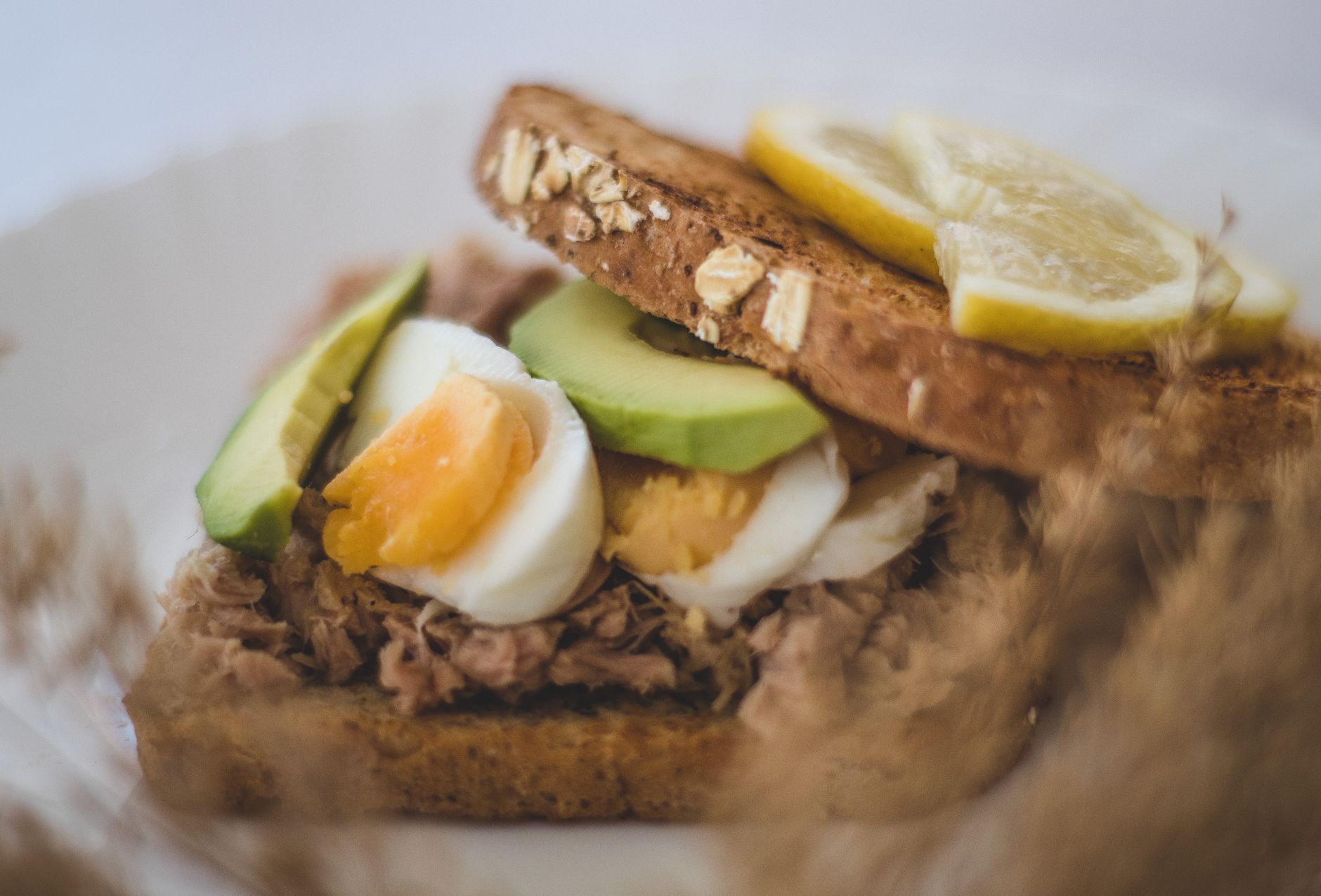
Maintaining a balanced and nutritious diet is fundamental for overall health and well-being at every stage of life. As bodies evolve, particularly during significant transitions like menopause, specific dietary considerations become even more crucial. Understanding the role of key nutrients such as protein, fiber, and vitamin D can empower individuals to make informed food choices that support vitality and mitigate common health challenges.
Navigating Nutrition During Menopause
The journey through perimenopause and menopause brings about hormonal shifts that can influence various aspects of health, including metabolism, energy levels, and mood. Focusing on a diet rich in whole foods can help manage these changes effectively. Incorporating foods high in phytoestrogens, plant compounds that mimic estrogen’s effects in the body, may offer some support. Examples include flaxseeds, soybeans, and certain legumes.
Weight management often becomes a concern during this period due to hormonal fluctuations. Understanding how to support a healthy metabolism through balanced eating and addressing potential extreme hunger can be beneficial. For those experiencing perimenopause fatigue, a meal plan focused on energy-boosting foods can make a significant difference. It’s also important to consider the impact of alcohol consumption, as it can affect menopausal symptoms.
For women over 50, dietary strategies often aim to optimize health, support bone density, and maintain cardiovascular well-being. While specific “menopause diets” are often discussed, the truth lies in a holistic approach that prioritizes nutrient-dense foods and mindful eating.
The Power of Protein
Protein is an indispensable macronutrient vital for muscle maintenance, hormone production, and overall bodily function. Ensuring adequate protein intake is particularly important as we age, helping to preserve lean muscle mass and support satiety. A variety of delicious high-protein foods can be incorporated into daily meals, ranging from lean meats, poultry, and fish to plant-based options like lentils, beans, tofu, and nuts.
Determining the optimal daily protein intake depends on individual factors such as age, activity level, and health goals. Beyond muscle health, protein plays a role in supporting a healthy weight and body composition. For those following vegetarian or vegan diets, a diverse selection of plant-based protein sources can easily meet daily requirements, ensuring no nutritional gaps.
Embracing Fiber for Digestive Health
Fiber is a critical component of a healthy diet, known for its extensive benefits, particularly for digestive health and blood sugar regulation. Foods high in fiber include a wide array of fruits like pears and strawberries, vegetables such as avocado, whole grains like oats, and legumes like kidney beans. Understanding the difference between soluble and insoluble fiber is key, as each type offers distinct advantages.
Soluble fiber, found in oats and apples, helps lower cholesterol and stabilize blood sugar, while insoluble fiber, abundant in whole grains and vegetables, aids in promoting regular bowel movements. While fiber is highly beneficial, it is possible to consume too much, which can lead to symptoms like bloating. Gradual increases in fiber intake and adequate hydration can help prevent such discomfort.
Vitamin D: The Sunshine Nutrient
Vitamin D is essential for bone health, immune function, and numerous other physiological processes. Many people may have low vitamin D levels, making it important to understand how to increase intake. While sunlight exposure is a primary source, dietary sources are also crucial, especially in regions with limited sun or during certain seasons. Foods like fatty fish, fortified dairy products, and some mushrooms contain vitamin D.
Optimizing vitamin D levels can be achieved through a combination of safe sun exposure and incorporating vitamin D-rich foods into the diet. The relationship between vitamin D and cholesterol is also an area of ongoing interest, highlighting its broad impact on metabolic health. There isn’t a single “best time” to take vitamin D, but consistency is key for maintaining adequate levels.
By focusing on these fundamental nutritional pillars—tailoring dietary choices for life stages like menopause, prioritizing sufficient protein and fiber, and ensuring adequate vitamin D—individuals can significantly enhance their health and vitality. A balanced and varied diet remains the cornerstone of long-term well-being.
Leave a Reply