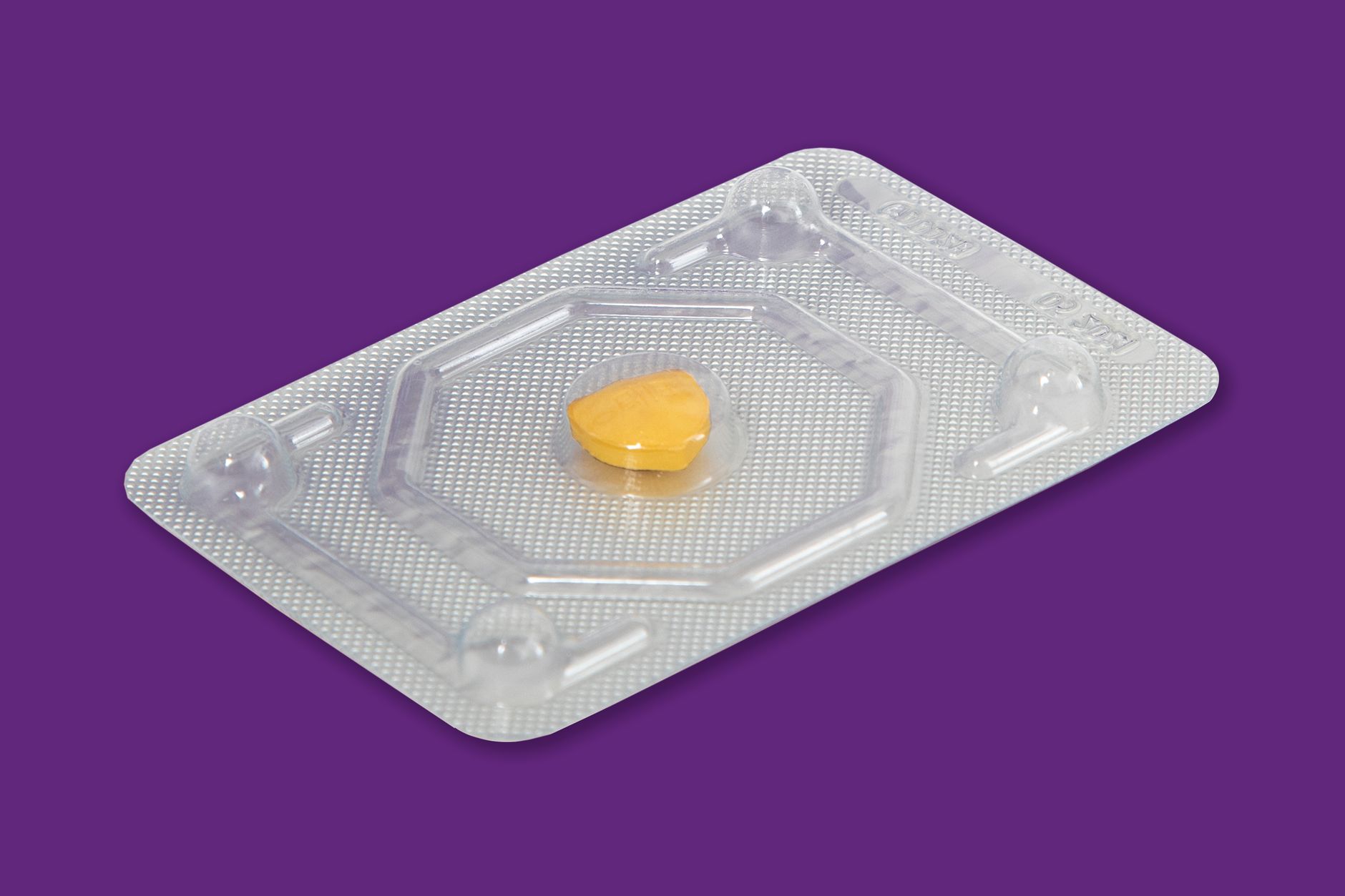
Nplate (romiplostim) is a prescription biologic medication designed to increase platelet counts in patients with specific medical conditions. It is primarily prescribed for adults and children with immune thrombocytopenia (ITP) who have not responded well to other treatments. Additionally, Nplate is approved for individuals exposed to high levels of radiation that affect bone marrow function.
How Nplate Works to Increase Platelets
Nplate belongs to a class of medications known as thrombopoietin receptor agonists. It functions by binding to specific receptors on cells within the bone marrow, stimulating them to produce more platelets. Platelets are essential components of the blood that facilitate clotting, helping to prevent and control bleeding. For patients with ITP, whose immune systems mistakenly destroy platelets, or those suffering from radiation-induced bone marrow damage, Nplate helps restore safer platelet levels.
Common and Serious Side Effects of Nplate
Like most medications, Nplate can cause side effects, ranging from mild to severe. Common mild side effects reported by patients include dizziness, joint and muscle pain, abdominal discomfort, trouble sleeping, and a tingling sensation on the skin. In children, side effects may manifest slightly differently, often presenting as nose or throat infections, mouth pain, or bruising.
While less common, serious side effects can occur. These include an increased risk of blood clots, which can lead to life-threatening conditions such as heart attacks or strokes. Some patients may experience a loss of response to the medication over time, potentially resulting in severe thrombocytopenia. Additionally, structural changes in the bone marrow and severe allergic reactions are potential risks that require immediate medical attention.
Dosage and Administration Guidelines
Nplate is administered as a subcutaneous injection under the skin by a qualified healthcare professional. For patients treating chronic ITP, the medication is typically given once a week. The initial dosage is calculated based on the patient’s body weight, and subsequent doses are adjusted dynamically based on regular blood tests monitoring platelet counts. For individuals exposed to bone marrow-damaging radiation, only a single dose is administered immediately following exposure.
Important Warnings and Drug Interactions
Before starting treatment with Nplate, patients must discuss their complete medical history with their healthcare provider. Key considerations include a history of blood clots, liver disease, or myelodysplastic syndromes. While there are currently no well-documented drug interactions with Nplate, it is crucial to disclose all prescription medications, over-the-counter drugs, vitamins, and herbal supplements being taken. Regular monitoring is essential to prevent accidental overdose, which can cause platelet levels to rise excessively and increase the risk of cardiovascular events.
Leave a Reply