Anxiety disorders represent one of the most widespread mental health challenges in modern society, affecting an estimated 40 million adults in the United States alone—roughly 18 percent of the adult population. While severe or chronic anxiety often warrants formal clinical intervention, millions of individuals experience mild-to-moderate anxiety symptoms that disrupt their daily functioning, emotional equilibrium, and overall quality of life. For these individuals, as well as those seeking to complement existing clinical care, alternative and non-pharmacological therapies offer an effective, accessible avenue for reclaiming peace of mind.
The core objective of alternative anxiety management is to support bodily health, balance neurochemistry, and alleviate daily stress with minimal to no unwanted side effects. Rather than attempting to suppress symptoms temporarily, holistic approaches focus on strengthening the body’s natural resilience. By incorporating evidence-based lifestyle modifications, somatic regulation techniques, and targeted dietary adjustments, individuals can create a sustainable routine that calms an overactive nervous system and fosters long-term psychological stability.
It is essential to recognize that alternative strategies require consistency and time to demonstrate their full therapeutic benefits. While these techniques can dramatically lower baseline stress, they are not designed to serve as a standalone crisis intervention for acute panic attacks or severe psychiatric conditions. When integrated thoughtfully alongside professional medical guidance, complementary therapies provide an empowering toolkit for navigating life’s everyday stressors with clarity and steady composure.
Understanding Alternative Therapies for Anxiety
Alternative therapies for anxiety encompass a wide array of non-pharmacological interventions, lifestyle modifications, and mind-body practices designed to regulate the physiological stress response. To understand how these therapies work, one must first look at the autonomic nervous system, which is divided into the sympathetic (fight-or-flight) and parasympathetic (rest-and-digest) branches. In individuals experiencing anxiety, the sympathetic nervous system remains chronically activated, triggering the continuous release of stress hormones such as cortisol and adrenaline. This ongoing surge leads to persistent muscle tension, elevated heart rate, shallow breathing, and heightened cognitive hypervigilance.
Non-pharmacological strategies function primarily by dampening sympathetic overactivation and stimulating the parasympathetic system. Somatic techniques, such as diaphragmatic breathing, progressive muscle relaxation, and mindfulness meditation, physically send signals to the brain via the vagus nerve that the body is safe. This vagal nerve activation prompts a slowing of the heart rate, a reduction in blood pressure, and a drop in circulating stress hormones, effectively restoring physiological balance.
Beyond immediate autonomic regulation, lifestyle-based alternative therapies operate on a cellular and neurochemical level. Practices such as nutritional optimization, regular aerobic exercise, and sleep hygiene influence neurotransmitter synthesis, particularly increasing levels of gamma-aminobutyric acid (GABA), serotonin, and dopamine. Furthermore, reducing systemic inflammation and stabilizing blood glucose levels through proper nutrition prevents metabolic fluctuations that can trigger physiological panic symptoms. Together, these interventions encourage positive neuroplasticity, allowing the brain to gradually reframe its response to everyday stress over time.
Key Benefits and Evidence-Based Interventions
Emerging research across neurobiology, cardiology, and nutritional psychiatry highlights the measurable biological benefits of non-pharmacological interventions. By making intentional changes to daily habits, individuals can target the physiological pathways that drive anxious feelings.
- Reduced Sympathetic Stimulation from Stimulant Management: Moderating or eliminating caffeine intake prevents artificial spikes in heart rate and adrenaline. Clinical reviews indicate that consuming as little as 200 milligrams of caffeine—equivalent to approximately two cups of brewed coffee—can induce acute anxiety and nervousness in susceptible individuals.
- Endorphin and Neurotrophic Boosting via Exercise: Regular aerobic activity, such as brisk walking, running, or cycling, stimulates the release of natural endorphins and brain-derived neurotrophic factor (BDNF). Research confirms that even 5 to 10 minutes of aerobic exercise can initiate immediate anti-anxiety effects, providing several hours of continuous symptom relief.
- Circadian Alignment and Sleep Restructure: Securing 7 to 8 hours of high-quality sleep nightly allows the prefrontal cortex to reset, strengthening executive control over emotional processing centers in the brain like the amygdala and reducing irrational worry.
- Autonomous Nervous System Reset via Somatic Relaxation: Mind-body practices like deep breathing and meditation actively stimulate parasympathetic tone, lowering baseline heart rate variability and decreasing long-term systemic inflammation.
- Metabolic Stabilization Through Nutritional Psychiatry: Eating balanced, nutrient-dense meals at regular intervals prevents hypoglycemic episodes, which frequently produce physical symptoms identical to panic attacks, such as shaky hands, rapid heart rate, and lightheadedness.
- Prevention of Rebound Anxiety via Substance Elimination: Removing alcohol and nicotine eliminates the deceptive cycle of temporary relief followed by severe rebound anxiety caused by neurochemical withdrawal and elevated cardiovascular strain.
The field of nutritional psychiatry emphasizes that dietary quality directly impacts gut microbiome health, which plays a pivotal role in neurotransmitter production. Whole foods rich in complex carbohydrates, omega-3 fatty acids, magnesium, and zinc provide the necessary raw materials for serotonin and GABA synthesis. Conversely, highly processed foods laden with refined sugars cause rapid glycemic spikes followed by sharp crashes, sparking adrenergic responses that mirror emotional distress.
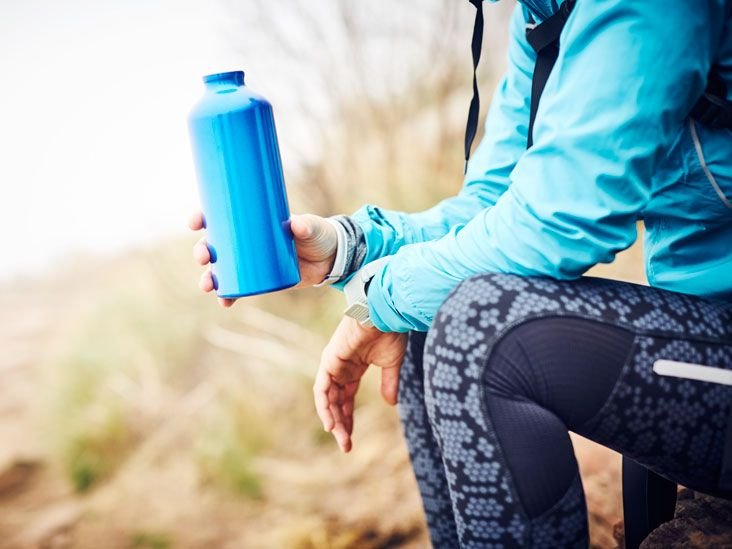
Moreover, proper hydration is an overlooked yet critical component of physiological stability. Dehydration puts physical stress on the vascular system, forcing the heart to work harder and triggering low-level stress signals within the brain. Drinking six to eight large glasses of water daily helps maintain fluid volume, optimizes metabolic efficiency, and keeps stress hormones in check.
Practical Actionable Guide: Daily Lifestyle and Dietary Optimization
Implementing alternative therapies successfully requires translating scientific insights into consistent daily routines. Begin by evaluating your morning habits. If you currently rely on caffeinated beverages to wake up, gradually decrease your daily intake rather than stopping abruptly, which can cause withdrawal headaches. Swap your second cup of coffee for herbal teas such as chamomile, green tea, or passionflower, which contain L-theanine—an amino acid known to promote relaxed alertness without triggering jitteriness.
Next, structure your meal pattern to maintain stable blood sugar levels throughout the day. Build your daily meals around a foundation of whole, unrefined foods: lean proteins, leafy green vegetables, healthy fats such as avocado and olive oil, and complex carbohydrates like quinoa or oats. Avoid sugar-sweetened sodas and energy drinks, which combine excessive refined sugar with high doses of caffeine. Eating smaller, balanced meals every three to four hours helps prevent the metabolic drops that induce irritability, fatigue, and sudden spikes in anxiety.
Incorporate intentional physical movement into your daily routine as a non-negotiable health practice. You do not need grueling athletic training to experience mental health benefits. A brisk 15- to 30-minute walk outdoors during your lunch break offers a double benefit: cardiovascular exertion releases physical tension, while natural daylight exposure helps regulate your circadian rhythm. If outdoor exercise is not feasible, short bouts of indoor movement, light jogging, or dynamic stretching can quickly disrupt accumulating mental stress.
Finally, address substance use honestly. While alcohol and nicotine are frequently used as quick coping mechanisms to take the edge off stress, their physiological aftermath significantly worsens baseline anxiety. Nicotine increases baseline blood pressure and heart rate, while alcohol disrupts REM sleep and alters brain chemistry, leading to heightened vulnerability the following day. Phasing out these substances creates a solid foundation for genuine emotional resilience.
Practical Actionable Guide: Somatic Techniques and Sleep Hygiene
To complement dietary and physical adjustments, master somatic regulation techniques that can be deployed anytime anxiety surfaces. One highly effective practice is diaphragmatic breathing, often practiced using the 4-7-8 method. Sit comfortably, place one hand on your chest and the other on your abdomen, and inhale quietly through your nose for a count of four seconds. Hold your breath for seven seconds, then exhale completely through your mouth with a soft whooshing sound for eight seconds. Repeating this cycle four times immediately signals your autonomic nervous system to reduce muscle tension and slow your heart rate.
Another powerful somatic tool is progressive muscle relaxation. This practice involves systematically tensing specific muscle groups—such as your shoulders, thighs, or jaw—for five seconds, followed by a sudden, complete release for ten seconds. By contrasting physical tension with immediate relaxation, you train your brain to recognize and release subtle bodily stress before it escalates into physical distress.
Establishing optimal sleep architecture is equally critical for keeping anxiety at bay. Train your body’s natural clock by maintaining strict sleep and wake times, even on weekends. Ensure your bedroom is dark, quiet, and kept at a cool temperature around 65 to 68 degrees Fahrenheit. Avoid bright screens, smartphones, and televisions for at least one to two hours before bedtime, as blue light suppresses melatonin production and tricks the brain into remaining alert.
If you experience racing thoughts while trying to fall asleep, refrain from staying in bed while frustrated. Get up after 20 minutes, move to a dimly lit room, and engage in a calming activity such as reading a physical book or practicing gentle stretching until drowsiness returns. If daytime fatigue necessitates rest, restrict naps to a maximum of 15 to 20 minutes in the early afternoon to avoid disrupting your evening sleep pressure.
Frequently Asked Questions
Can alternative therapies completely replace conventional anxiety treatments?
Alternative therapies can be extraordinarily effective for managing mild-to-moderate anxiety, everyday stress, and baseline tension. However, for individuals experiencing moderate-to-severe clinical anxiety disorders, panic disorder, or debilitating phobias, alternative approaches work best as complementary tools alongside conventional care, such as cognitive-behavioral therapy (CBT) and prescribed psychiatric medications. Always consult a qualified medical provider before adjusting or discontinuing any prescribed treatment plan.
How long does it take to notice improvements from lifestyle and alternative interventions?
Some techniques offer immediate acute relief, while others require consistent practice over weeks to yield cumulative benefits. Somatic practices like deep breathing or a 10-minute brisk walk can lower heart rate and calm nervous tension within minutes. In contrast, dietary improvements, sleep optimization, and regular meditation typically take two to four weeks of consistent application to noticeably lower baseline anxiety levels and alter emotional reactivity.
Are alternative anxiety treatments safe for everyone to attempt independently?
Most lifestyle adjustments—such as improving sleep hygiene, staying hydrated, engaging in moderate exercise, and reducing caffeine—are safe and beneficial for nearly everyone. However, individuals with underlying medical conditions, such as cardiovascular issues or respiratory illnesses, should speak with a healthcare provider before beginning rigorous new exercise routines or intense breathing exercises. Furthermore, anyone exploring herbal supplements should consult a doctor or pharmacist to prevent dangerous interactions with existing medications.
Conclusion: Cultivating Sustainable Emotional Balance
Managing anxiety effectively does not always require relying solely on aggressive interventions; often, meaningful relief begins with gentle, evidence-based adjustments to everyday life. By prioritizing whole-body nutrition, staying adequately hydrated, engaging in regular physical movement, and building disciplined sleep habits, you construct a resilient physical foundation that naturally buffers against mental distress. Complementing these daily habits with targeted somatic techniques—such as deep breathing and mindfulness—empowers you to take control of your nervous system whenever acute stress arises.
Embracing alternative anxiety therapies is a continuous process of self-discovery and consistency rather than an overnight fix. Start small by adopting one or two realistic lifestyle changes, such as reducing caffeine intake or establishing a restful bedtime routine, and build upon your progress over time. When used thoughtfully alongside professional medical guidance, these natural strategies provide a reliable, empowering pathway toward long-term tranquility and enhanced quality of life.
Leave a Reply