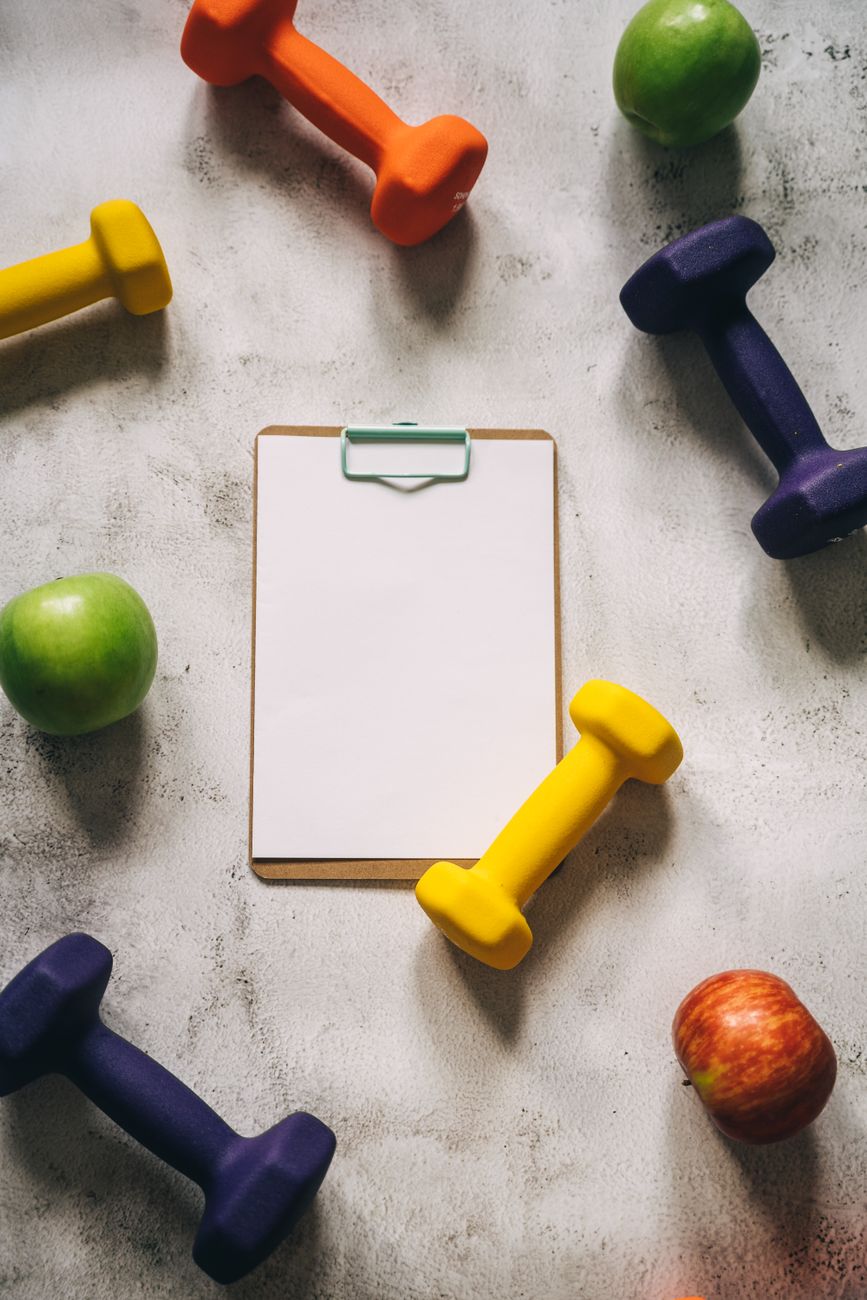
Navigating the changes that come with menopause can be a significant journey for many individuals. During this natural transition, and in the years that follow, prioritizing one’s health through effective weight management, balanced nutrition, and regular fitness becomes especially crucial. Understanding the physiological shifts and adopting proactive strategies can greatly enhance well-being.
Understanding Weight Management During Menopause
It is common for individuals to experience weight gain around the menopausal transition. This phenomenon is often linked to hormonal fluctuations, particularly a decrease in estrogen, which can influence fat distribution and metabolism. Weight gain may occur before, during, and after menopause, and it frequently manifests as an increase in abdominal fat, often referred to as “menopause belly.” This shift in body composition is a natural part of the aging process, but it underscores the importance of tailored approaches to maintain a healthy weight.
Strategies for managing weight during this period often involve a combination of dietary adjustments and increased physical activity. Learning how to maintain a healthy weight throughout perimenopause and menopause is key to long-term health.
Optimizing Nutrition for Menopause Support
The foods consumed play a vital role in supporting the body through menopause. A well-planned diet can help manage symptoms, influence hormone levels, and contribute to overall health. Developing a menopause-specific meal plan that includes tasty and nutritious options can be highly beneficial.
Consider how your diet affects your hormones. Certain foods can impact hormone balance, which in turn may affect various aspects of health. For instance, some individuals explore the potential link between soy consumption and menopause symptoms, examining its interaction with estrogen levels. Focusing on what the body truly needs, rather than restrictive dieting, can lead to a more sustainable and positive relationship with food.
Embracing Fitness for Healthy Aging
Staying physically active is paramount at any age, and particularly so during and after menopause. Regular exercise helps maintain independence, supports bone health, and contributes to weight management. It’s never too late to prioritize health through fitness, whether you are in your 50s, 60s, or beyond.
Incorporating a variety of fitness activities can be highly effective. Strength training and stretching, for example, offer specific benefits for older adults, helping to preserve muscle mass, improve flexibility, and enhance balance. Adapting your fitness routine to suit each phase of life ensures continued engagement and effectiveness. Exploring the best workout equipment for older adults can also make home workouts more accessible and enjoyable.
Addressing Specific Health Concerns
Menopause can also bring about other health considerations. For example, some individuals experience an increased risk of heart disease after menopause, partly due to changes in cholesterol levels. Understanding how menopause affects cholesterol is important for cardiovascular health. Additionally, hormonal fluctuations can sometimes stimulate appetite, leading to extreme hunger. Being aware of these potential changes allows for better management and informed health choices.
Leave a Reply