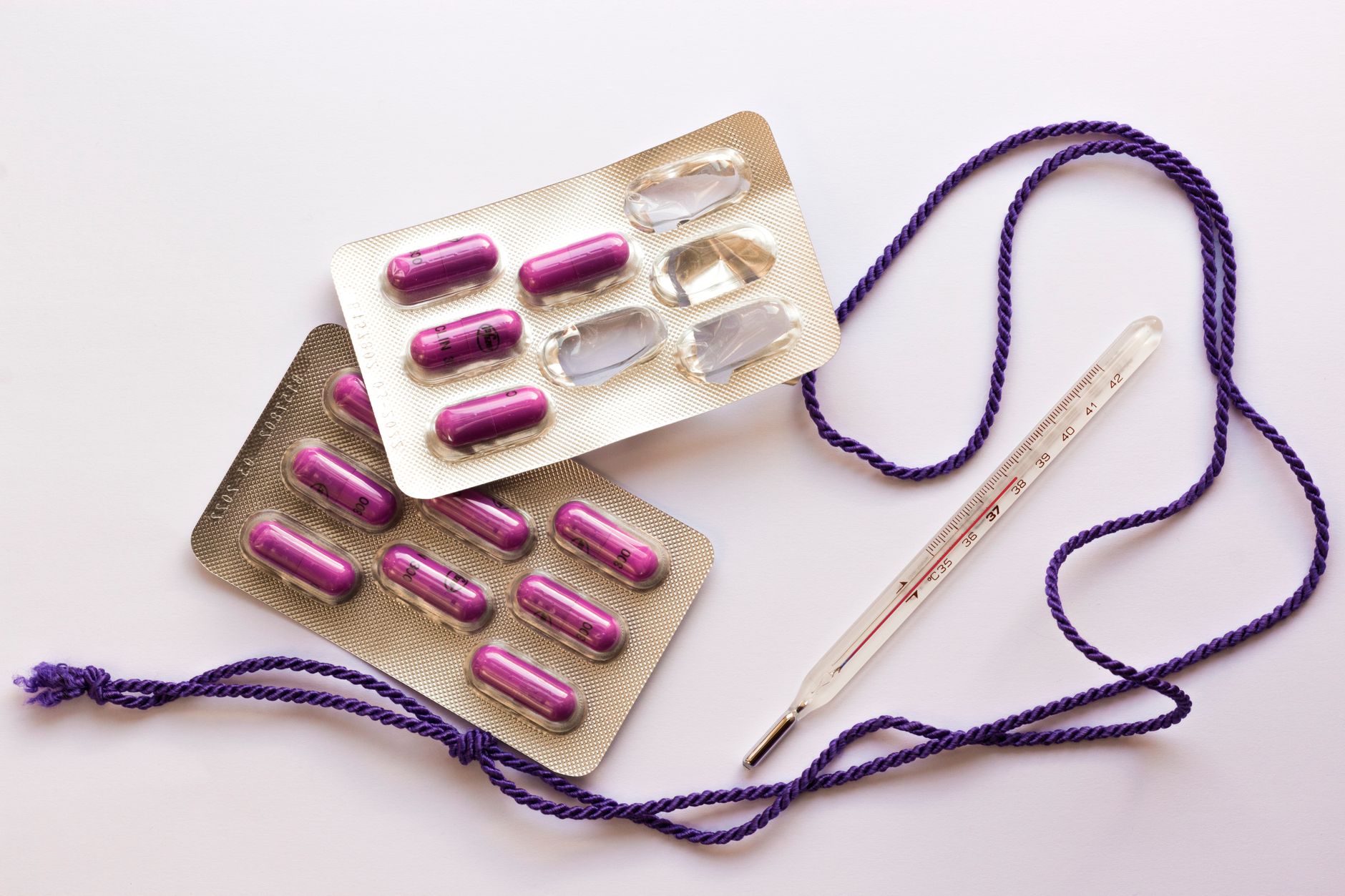
The transition to menopause is a significant biological milestone that typically occurs between the ages of 40 and 65. Marked by the permanent cessation of menstruation for at least twelve consecutive months, this phase brings about profound hormonal fluctuations. These hormonal shifts can trigger a wide array of physical and psychological symptoms, varying greatly in duration and intensity from person to person.
Understanding Vasomotor Symptoms
Vasomotor symptoms, primarily hot flashes and night sweats, are among the most common complaints during perimenopause and menopause. Characterized by sudden sensations of intense heat, flushing of the face, and rapid sweating, these episodes can disrupt daily activities and significantly impact quality of life. Management strategies range from lifestyle adjustments, such as dressing in layers and avoiding triggers like spicy foods, to medical interventions and natural remedies tailored to individual needs.
Physical and Skin Changes
Hormonal declines during menopause also affect the skin, hair, and oral health. Many individuals experience skin dryness, thinning, and a loss of elasticity due to decreased collagen production. Hair thinning or loss is another frequent concern. Additionally, lesser-known symptoms can manifest in the mouth, including dry mouth or altered taste sensations. Subtle changes in body odor may also occur, requiring adjustments in personal care routines.
Vaginal Health and Sleep Disturbances
Lower estrogen levels directly impact vaginal tissues, often leading to dryness, discomfort, or pain during intimacy. Utilizing high-quality vaginal lubricants and moisturizers can alleviate these symptoms. Sleep disturbances, including insomnia and night sweats, are also highly prevalent. Addressing sleep hygiene, managing stress, and seeking medical guidance for persistent sleep issues are crucial steps in restoring restorative rest.
Managing Menopause with Co-existing Conditions
Navigating menopause can be more complex for individuals managing chronic health conditions. For instance, women with type 2 diabetes may find that hormonal fluctuations affect blood sugar control, while those with autoimmune conditions like rheumatoid arthritis or psoriatic arthritis might experience changes in joint pain. Furthermore, individuals undergoing breast cancer recovery, who often cannot use hormone replacement therapy, require specialized, non-hormonal approaches to manage their symptoms safely.
Leave a Reply