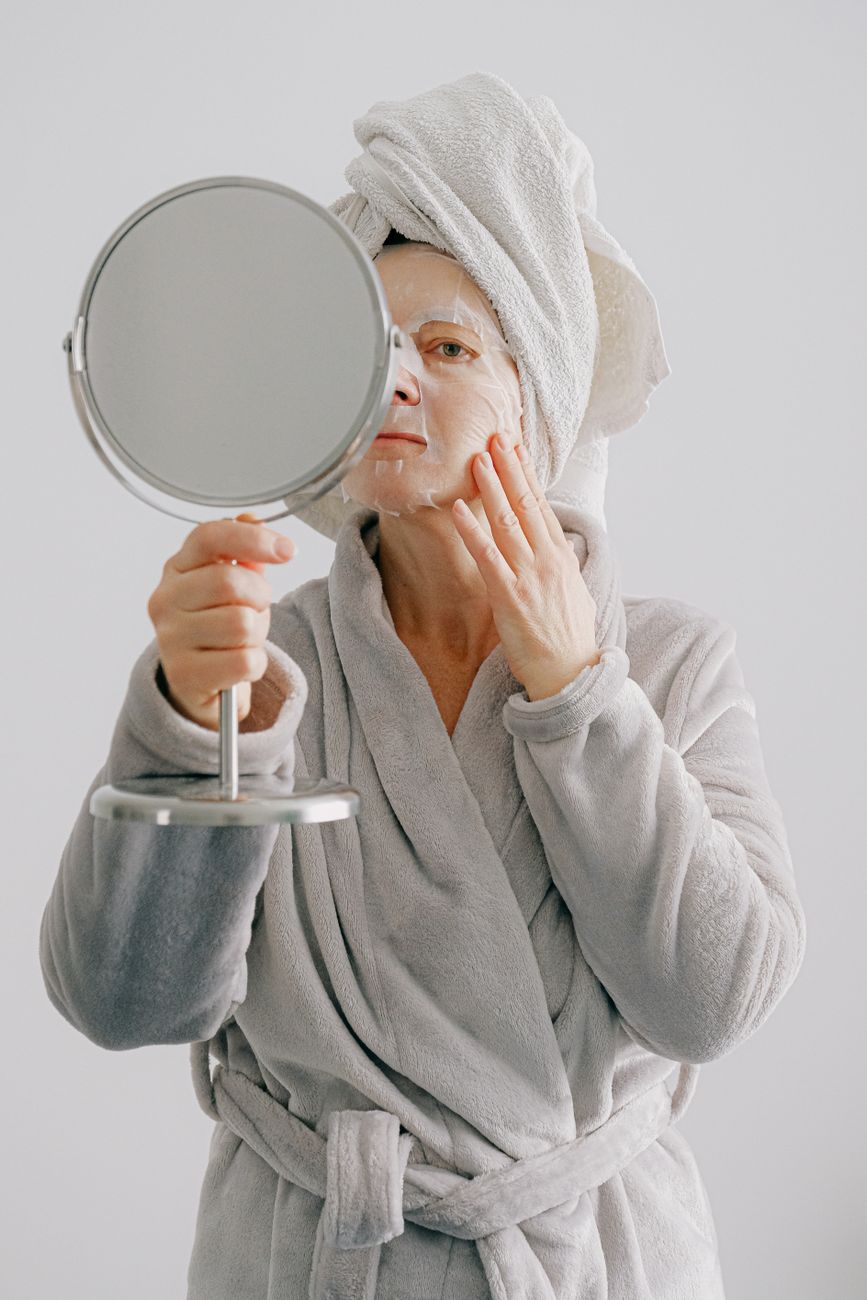
Menopause brings significant hormonal changes that directly impact skin and hair health. Understanding these shifts is the first step toward managing symptoms effectively and maintaining a healthy appearance.
How Menopause Affects Your Skin
During menopause, declining estrogen levels can lead to various skin changes. Many women experience increased dryness, persistent itching, and heightened sensitivity, which can sometimes manifest as rashes. Hormonal fluctuations can also trigger or worsen conditions like rosacea, causing redness and flushing on the face, neck, and chest.
Additionally, skin elasticity naturally decreases with age, leading to sagging and wrinkles. Hormone Replacement Therapy (HRT) may influence skin texture and moisture levels, but its effects vary depending on the dosage and individual health profiles. Managing these changes involves targeted skincare routines that focus on deep hydration and barrier protection.
Understanding Hair Changes During Menopause
Hair thinning and sudden hair loss are common concerns for women navigating menopause. As estrogen levels drop, the influence of androgens can become more pronounced, sometimes leading to unwanted facial hair on the chin and neck, while simultaneously thinning the hair on the scalp.
Addressing hair loss involves exploring various treatment options, ranging from topical solutions to natural remedies like evening primrose oil, which is often praised for its anti-inflammatory properties. Adapting your hair care routine to support aging hair can help maintain strength, volume, and overall scalp health.
Leave a Reply