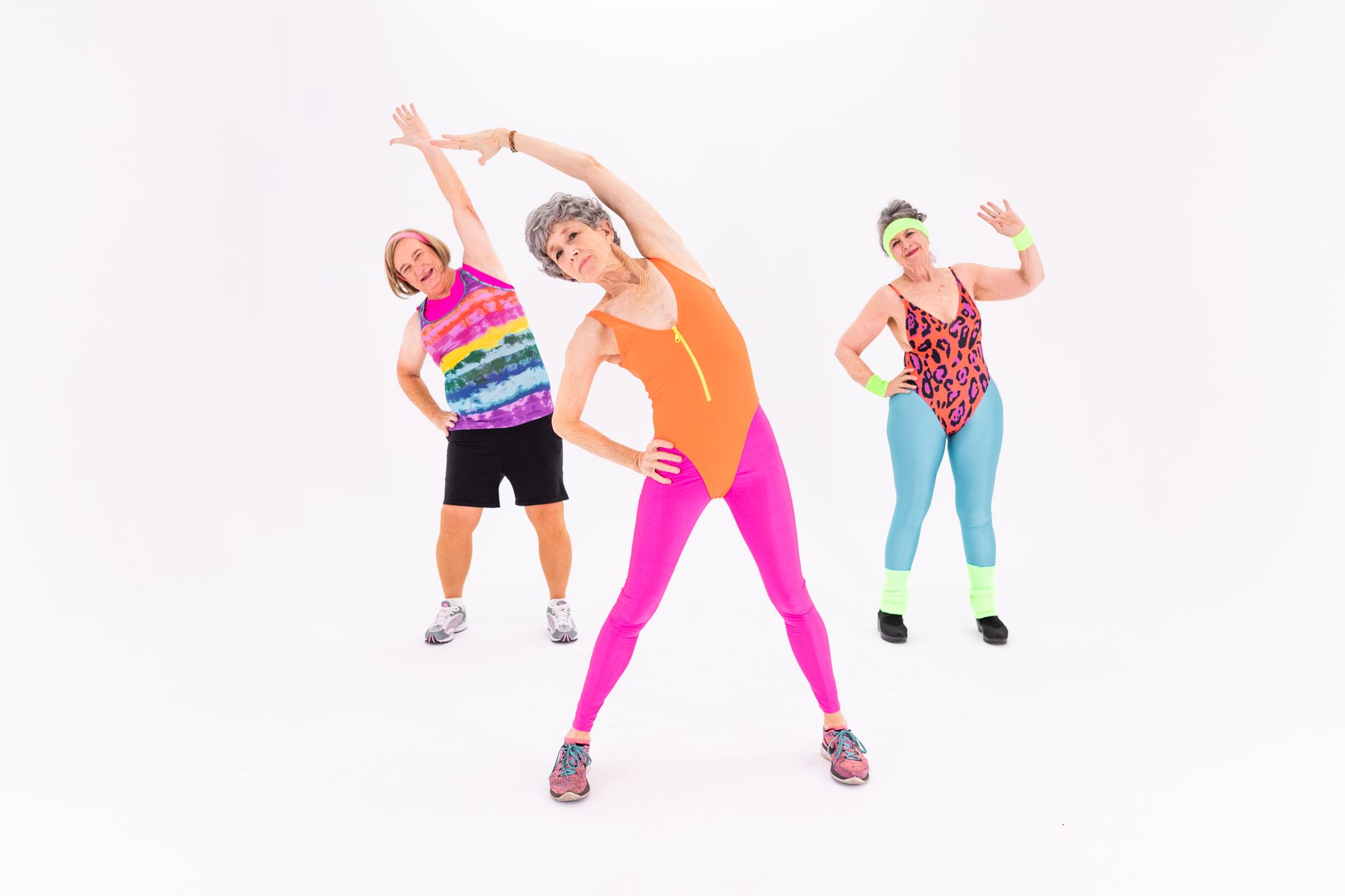
Maintaining physical activity is crucial for health and well-being at every stage of life, particularly during menopause and as we age. Understanding how our bodies change and adapting our fitness routines can significantly enhance quality of life, reduce health risks, and improve overall vitality.
The Impact of Hormones on Exercise
Hormones play a profound role in how our bodies respond to exercise, influencing everything from energy levels to muscle recovery. These hormonal shifts are particularly noticeable during different life stages, including menopause. Recognizing these changes allows for a more tailored and effective approach to physical activity, ensuring that exercise benefits the body optimally.
Exercise Guidelines for Older Adults
For individuals aged 65 and older who are in good health, incorporating moderate-intensity exercise into their routine is highly recommended. Regular physical activity helps maintain muscle mass, bone density, cardiovascular health, and cognitive function. It’s about finding safe and enjoyable ways to stay active, adapting exercises to individual capabilities and health conditions.
Staying Active Through Menopause and Beyond
Physical activity becomes especially important during the menopause transition and as women age. Exercise can alleviate many menopausal symptoms, such as hot flashes, mood swings, and sleep disturbances, while also supporting bone health and weight management. For women over 40, age should not be a barrier to working out; instead, it’s an opportunity to focus on specific needs like mobility and strength.
Recommended Activities and Exercises
Several types of exercises are particularly beneficial during these life stages:
Pilates is an excellent option for women experiencing menopause. It focuses on core strength, flexibility, and balance, which can be highly advantageous during this period of hormonal change.
Beyond Pilates, a variety of exercises can help women stay active during menopause. These include cardiovascular activities, strength training, and flexibility exercises, all contributing to overall health and symptom management.
Balance exercises are vital for older adults. Improving balance can significantly reduce the risk of falls, a common concern as we age, and enhance confidence in daily activities. Simple exercises performed regularly can make a substantial difference.
For everyone over 40, incorporating a mobility routine is key to preventing injuries and maintaining range of motion. As the body changes with age, focusing on joint health and flexibility ensures continued active participation in life.
Tips for an Effective Workout Routine
When developing an exercise plan, especially for women over 40 or older adults, consider these tips: listen to your body, prioritize consistency over intensity, incorporate a mix of cardio, strength, and flexibility, and seek professional guidance if needed. The goal is to create a sustainable and enjoyable routine that supports long-term health and vitality.
Leave a Reply