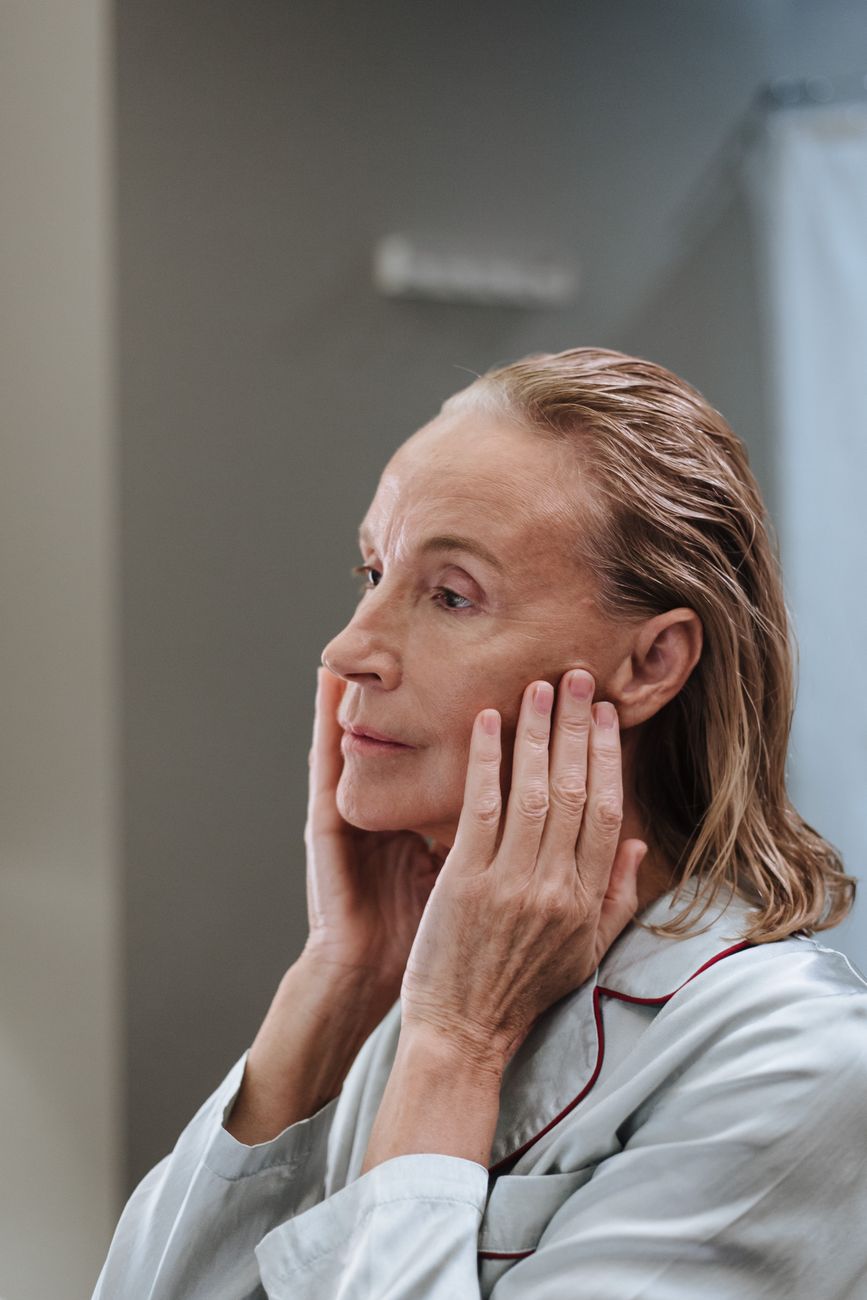
Menopause is a natural biological process that marks the end of a woman’s reproductive years, officially diagnosed twelve months after the final menstrual period. This transition is a significant life stage that involves various physiological changes, beginning with perimenopause and extending into postmenopause. Understanding these stages helps individuals navigate the physical and emotional shifts with confidence.
Common Symptoms of Menopause
The transition to menopause brings a wide range of symptoms that vary significantly from person to person. Among the most common are vasomotor symptoms, such as hot flashes and night sweats. Other lesser-known effects include vaginal dryness, which can impact intimacy, and oral health changes like dry mouth. These symptoms typically begin during perimenopause, which can start in a woman’s 40s, and can last for several years.
Treatment and Symptom Management
Managing menopausal symptoms effectively often requires a combination of medical treatments and lifestyle adjustments. Hormone replacement therapy remains one of the most effective options for relieving severe hot flashes and night sweats. For those seeking non-hormonal options, prescription medications and alternative therapies can provide relief. Simple at-home adjustments, such as maintaining a cool environment and practicing stress-reduction techniques, also play a vital role in daily comfort.
Weight Management and Healthy Aging
Hormonal fluctuations during menopause can influence metabolism, often leading to weight gain, particularly around the abdomen. Adopting a balanced diet rich in nutrients is essential for regulating hormone levels and supporting overall health. Incorporating regular physical activity, specifically strength training and stretching, helps maintain muscle mass, supports bone density, and promotes healthy aging.
Understanding Early and Surgical Menopause
While menopause typically occurs between the ages of 45 and 55, some individuals experience early or premature menopause. Early menopause occurs before age 45, while premature menopause can happen even earlier, sometimes in a person’s 20s, due to genetic factors or medical conditions. Additionally, surgical menopause occurs immediately when both ovaries are surgically removed, leading to an abrupt drop in estrogen levels and a sudden onset of symptoms.
Leave a Reply