Menopause brings significant hormonal changes that directly impact a woman’s musculoskeletal system. As estrogen levels decline, the risk of developing bone and joint conditions increases. Understanding these changes is crucial for maintaining long-term mobility, strength, and overall quality of life.
Understanding the Link Between Menopause and Osteoporosis
Estrogen plays a vital role in maintaining bone density. When estrogen production drops during menopause, bone resorption outpaces bone formation, leading to rapid bone loss. This transition can trigger osteopenia, a condition characterized by lower-than-normal bone density, which often progresses to osteoporosis. Postmenopausal osteoporosis weakens bones, making them fragile and highly susceptible to fractures.
Managing Joint Pain and Arthritis During Menopause
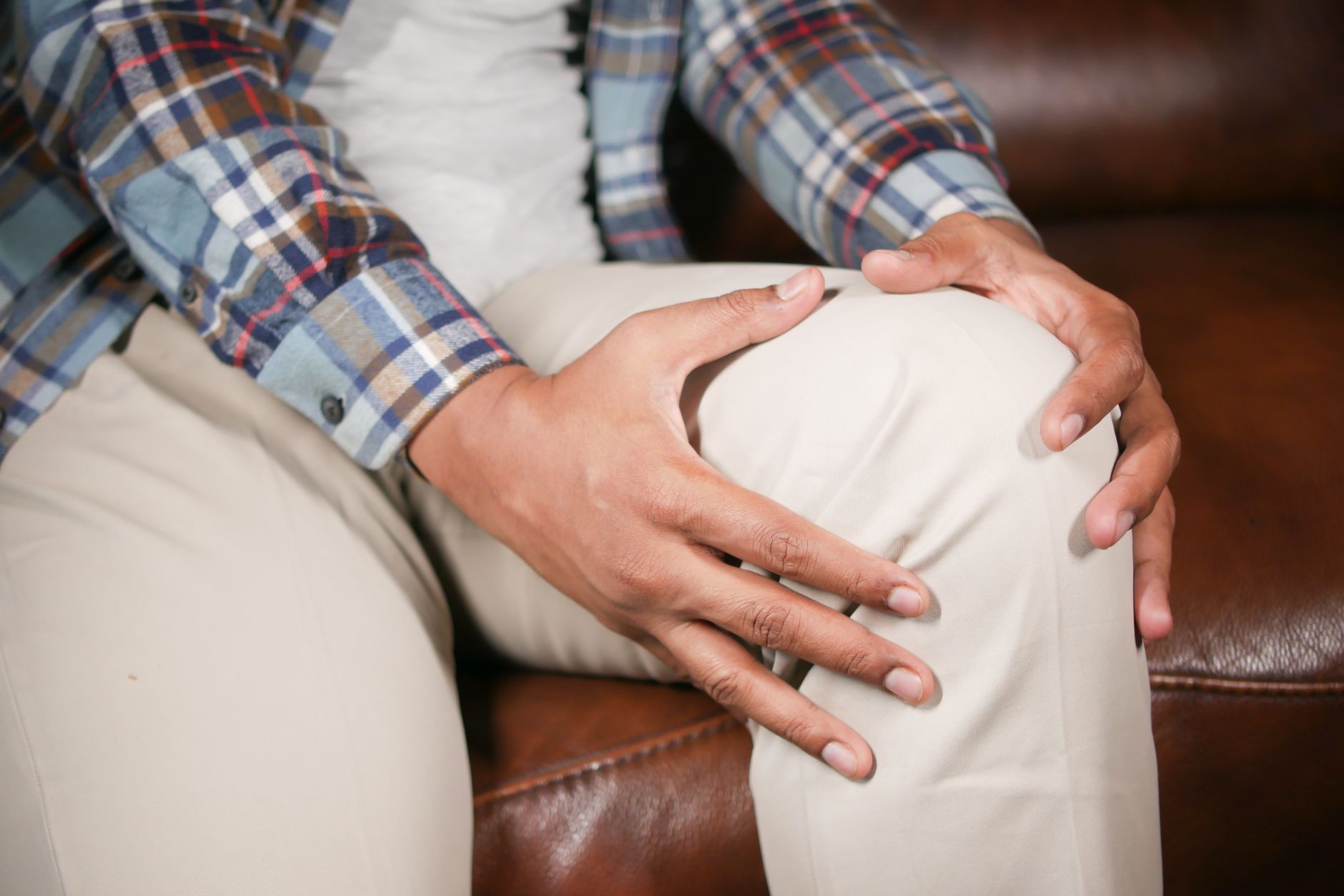
Many individuals experience increased joint pain and stiffness during the menopausal transition. Estrogen has natural anti-inflammatory properties, so its decline can exacerbate joint discomfort and increase the risk of developing osteoarthritis. Addressing these symptoms early through targeted lifestyle adjustments can help preserve joint function and reduce daily discomfort.
Preventing Sarcopenia and Muscle Loss
Aging and hormonal shifts also affect muscle health, leading to a condition known as sarcopenia. Sarcopenia involves the gradual loss of muscle mass, strength, and physical performance. Because muscles support joints and bones, preserving muscle mass through proper nutrition and physical activity is essential for preventing falls and maintaining independence.
Effective Strategies for Bone and Joint Health
Fortunately, several proactive measures can mitigate bone and muscle loss. Hormone Replacement Therapy (HRT) is one option that helps restore estrogen levels, effectively protecting bone density. Additionally, weight-bearing exercises and resistance training stimulate bone growth and preserve muscle mass.
A nutrient-rich diet also plays a fundamental role. Supplementing with calcium and vitamin D supports bone mineralization, while consuming anti-inflammatory foods can ease joint pain. Incorporating these healthy habits early ensures a stronger, more resilient musculoskeletal system during and after menopause.
Leave a Reply