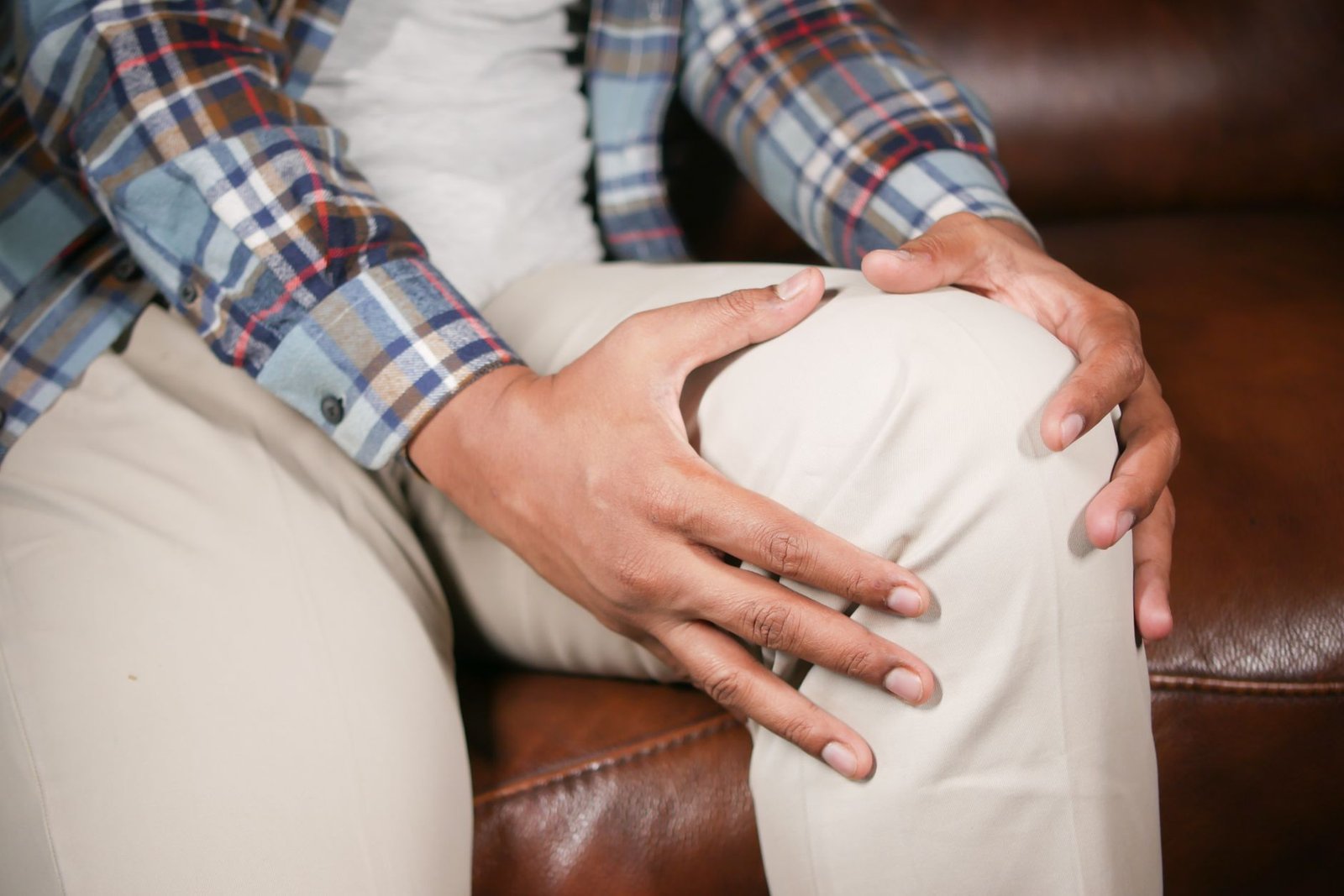
The Link Between Menopause and Joint Pain
Menopause brings about significant hormonal fluctuations, particularly a sharp decline in estrogen levels. Estrogen plays a vital role in protecting joints, reducing inflammation, and maintaining the proper function of muscles, tendons, and ligaments. When estrogen levels drop, joints lose this natural protection, often leading to increased stiffness, discomfort, and pain.
Increased Risk of Arthritis and Osteoporosis
The hormonal changes associated with menopause also elevate the risk of developing chronic conditions like osteoarthritis and osteoporosis. Without the protective benefits of estrogen, joint wear and tear can accelerate, and bone density may decrease, making the skeletal system more vulnerable to pain and injury.
The Impact of Weight Gain on Joint Health
Weight gain is another common occurrence during menopause that directly impacts joint health. Carrying extra weight puts additional physical stress on weight-bearing joints, including the hips, knees, and lower back. This added pressure can exacerbate existing joint issues, accelerate cartilage degeneration, and lead to chronic discomfort.
Leave a Reply