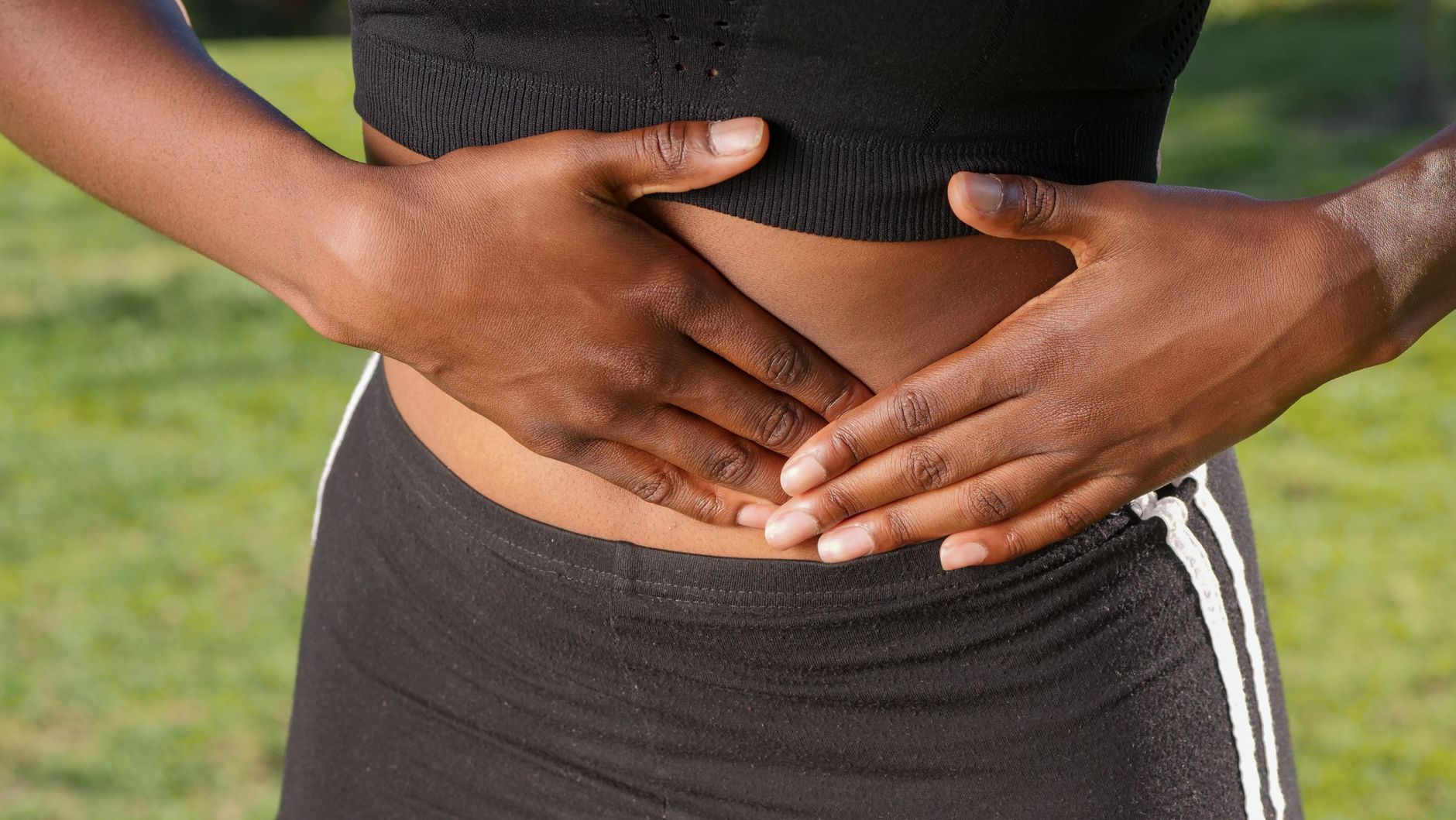
How Menopause Impacts Your Digestive System
Hormonal fluctuations during menopause can significantly affect various bodily systems, including the digestive tract. Many women experience a worsening of Irritable Bowel Syndrome (IBS) symptoms, increased bloating, and general digestive discomfort during this transitional phase. Understanding these changes is the first step toward managing them effectively.
Common Digestive Symptoms During Menopause
Bloating is one of the most frequent complaints in the years leading up to menopause. Additionally, some women report abdominal cramps and a distended stomach. These symptoms are often linked to shifting estrogen and progesterone levels, which can alter gut motility and increase sensitivity to certain foods.
Natural Ways to Improve Gut Health
Fortunately, several science-backed strategies can help restore digestive balance. Incorporating fiber-rich foods, staying hydrated, and managing stress levels are essential steps. Regular physical activity and introducing probiotics can also support a healthy gut microbiome, reducing symptoms like bloating and irregular bowel movements.
Recognizing the Signs of an Unhealthy Gut
Persistent digestive issues, unexpected weight changes, and constant fatigue can all point to an unbalanced gut microbiome. By focusing on a nutrient-dense diet and adopting healthy lifestyle habits, you can mitigate the digestive impacts of menopause and improve your overall well-being.
Leave a Reply