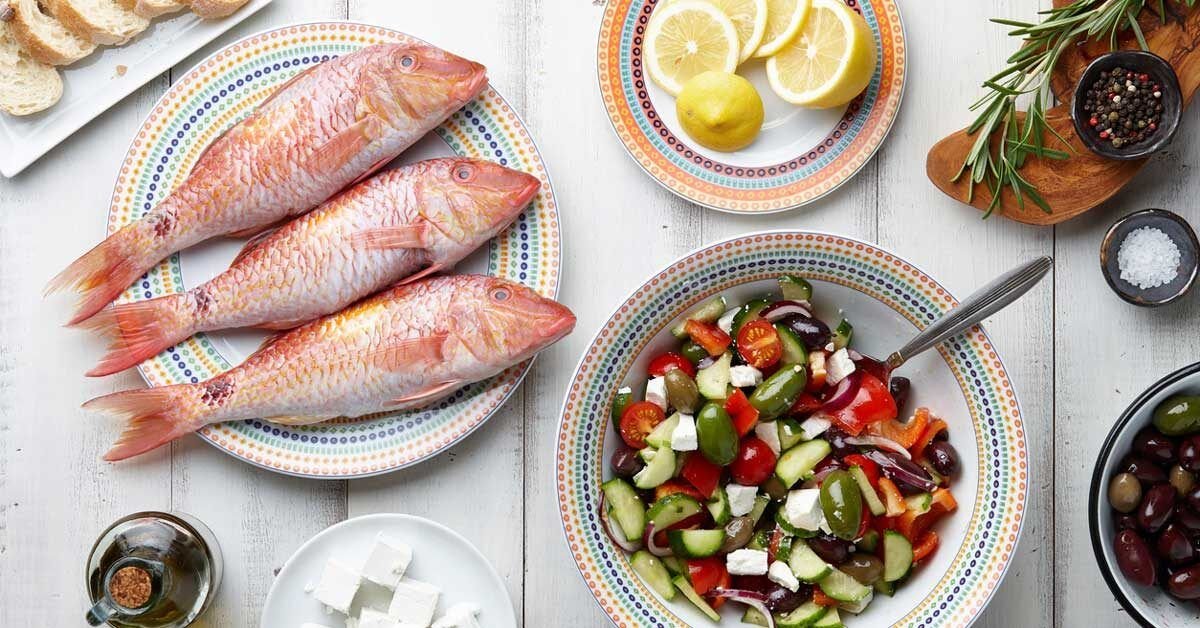
In an era dominated by restrictive fad diets and hyper-processed convenience foods, the Mediterranean diet stands out as an enduring gold standard for human health and longevity. Rather than relying on temporary caloric deprivation or rigid macronutrient counting, this eating pattern offers a vibrant, sustainable approach to daily nutrition. Rooted in traditional culinary habits of regions surrounding the Mediterranean Basin, it transforms dining into a holistic celebration of rich whole foods, cultural heritage, and physical well-being.
Derived from coastal communities in Greece, Italy, Spain, and southern France, this dietary pattern was first recognized by health researchers who observed remarkably low rates of chronic illness and high life expectancies among these populations. Despite modest healthcare access by modern standards, these communities naturally developed an eating model that protected their metabolic and cardiovascular systems, laying the groundwork for modern preventive nutrition.
Today, the Mediterranean diet is recognized worldwide not as a temporary weight-loss strategy, but as a lifestyle blueprint. By replacing refined carbohydrates, artificial additives, and unhealthy saturated fats with nutrient-dense fruits, vegetables, legumes, whole grains, and cardioprotective monounsaturated fats, this diet cultivates an internal environment optimized for sustained energy, reduced inflammation, and long-term vitality.
Understanding the Foundations of Mediterranean Nutrition
At its core, the Mediterranean diet is defined by an emphasis on food quality, diversity, and biological synergy rather than numerical restriction. Unlike conventional diets requiring calorie tracking or extreme restriction, this pattern works by delivering a continuous matrix of bioavailable vitamins, essential minerals, dietary fiber, and protective phytonutrients. The central philosophy revolves around consuming foods in their least processed states, allowing the body to easily absorb raw nutrients without processing artificial additives or excessive sugars.
The primary driver of this dietary pattern is its fatty acid profile. Extra virgin olive oil serves as the central culinary lipid, providing abundant monounsaturated fats—specifically oleic acid—and powerful antioxidant polyphenols. When combined with omega-3 fatty acids from wild seafood and soluble fiber from legumes and whole grains, the diet actively dampens systemic inflammation. Systemic inflammation is a primary driver of metabolic disease, vascular stiffness, and neurodegenerative decline. Furthermore, high dietary fiber content stabilizes blood glucose levels, prevents insulin spikes, and nourishes beneficial bacteria in the human gut microbiome.
Evidence-Based Health Benefits of the Mediterranean Pattern
Decades of extensive epidemiological research and clinical trials have documented the transformative physiological effects of adhering to a Mediterranean dietary pattern. By addressing root causes of cellular damage and metabolic dysfunction, this lifestyle yields measurable improvements across major biological systems.
- Cardiovascular Protection: Rich in monounsaturated fats and omega-3 fatty acids, this eating style reduces low-density lipoprotein (LDL) oxidation, improves endothelial function, and lowers overall risk for heart disease and stroke.
- Enhanced Glycemic Control: Reliance on complex carbohydrates with low glycemic indices improves insulin sensitivity, reducing the incidence of type 2 diabetes and supporting metabolic balance.
- Cognitive Preservation: High levels of polyphenols and essential fatty acids protect neural tissue from oxidative stress, helping maintain memory performance and executive function during aging.
- Sustainable Weight Regulation: Satiety signals triggered by healthy dietary fats and plant fiber reduce chronic hunger, allowing natural intake regulation without deprivation.
- Gut Microbiome Support: Prebiotic fibers from vegetables, fruits, and legumes feed beneficial probiotic strains, reinforcing the intestinal barrier and supporting immunity.
Ultimately, these biological mechanisms contribute to a marked reduction in overall mortality risk. Clinical observations consistently show that individuals who maintain strong adherence to Mediterranean principles experience better overall health outcomes and reduced rates of age-related disease.
How to Structure Your Kitchen and Everyday Staples
Transitioning to a Mediterranean lifestyle does not require complex techniques, but it does require rethinking your grocery staples. The foundation of your daily kitchen strategy should focus on purchasing unrefined, nutrient-rich ingredients that can be combined into flavorful meals. Establish extra virgin olive oil as your primary culinary fat, replacing butter, margarine, and refined seed oils. Stock your pantry with whole grains like farro, quinoa, brown rice, and barley, alongside dry or low-sodium canned legumes like chickpeas, lentils, and black beans.
Your refrigerator should showcase a colorful spectrum of fresh or frozen produce. Prioritize dark leafy greens, cruciferous vegetables, garlic, onions, bell peppers, tomatoes, and avocados. Incorporate wild-caught oily fish like salmon, sardines, and mackerel into your routine twice per week for essential omega-3s. Poultry, eggs, and fermented dairy like Greek yogurt serve as supporting protein sources, while ultra-processed snacks, sugary drinks, and refined flours are systematically minimized.
A Comprehensive 7-Day Mediterranean Meal Strategy
To successfully integrate these dietary principles into a busy daily routine, a structured plan is helpful. Below is a full seven-day sample meal blueprint designed to optimize physical energy, satiety, and broad nutrient intake without requiring hours of kitchen prep.
Monday: Begin with banana chia overnight oats made with almond milk and walnuts for breakfast. For lunch, enjoy a smashed avocado and black bean sandwich on whole-grain sourdough. Dinner features a one-pan baked salmon fillet served alongside roasted zucchini, bell peppers, and warm quinoa.
Tuesday: Start with a green smoothie blending spinach, cucumber, green apple, and plant-based protein. Enjoy an avocado, tomato, and chickpea salad with lemon-tarragon dressing for lunch. Prepare cauliflower and black bean rancheros on warm corn tortillas for dinner.
Wednesday: Breakfast consists of whole-grain toast topped with avocado, cherry tomatoes, and a poached egg. Lunch is a traditional Greek salad featuring cucumbers, tomatoes, olives, red onion, and crumbled feta tossed in olive oil. Dinner is a chicken avocado soup packed with fresh herbs.
Thursday: Enjoy cranberry almond oatmeal spiced with cinnamon for breakfast. Transition to a chickpea salad made with crisp apples, diced pecans, and herbs for lunch. For dinner, serve whole-wheat spaghetti tossed with homemade kale-walnut pesto and sautéed snap peas.
Friday: Start with savory tofu breakfast tacos packed with avocado and fresh salsa. For lunch, prepare a kale and cucumber salad topped with crumbled feta and roasted chickpeas. End the workday with baked wild fish tacos served in corn tortillas with lime cabbage slaw.
Saturday: Weekend mornings begin with a refreshing carrot ginger smoothie. Enjoy a green goddess quinoa bowl loaded with massaged kale, roasted sweet potato, and avocado for lunch. Dinner features almond-crusted trout accompanied by a shaved Brussels sprout salad.
Sunday: Enjoy classic Mediterranean shakshuka consisting of eggs gently poached in a spiced tomato and pepper sauce for breakfast. Lunch is a lemon lentil power bowl with avocado, cucumber, and macadamia nuts. Conclude with citrus-sage roasted chicken served alongside herbed wild rice.
Frequently Asked Questions About the Mediterranean Diet
Is the Mediterranean diet high in fat, and will it cause weight gain?
While the Mediterranean diet is moderate-to-high in dietary fat, these fats are primarily healthy monounsaturated and polyunsaturated fatty acids derived from extra virgin olive oil, nuts, seeds, and fish. Clinical trials consistently show that these beneficial fats promote satiety and improve metabolic efficiency. When consumed as part of a whole-food diet, this pattern promotes sustainable weight management rather than weight gain.
How can I follow the Mediterranean diet if I eat a vegetarian diet?
Adapting the Mediterranean blueprint to a vegetarian lifestyle is simple because plant foods already form its core foundation. You can replace seafood and poultry with plant-based protein sources such as lentils, chickpeas, black beans, edamame, tofu, and tempeh. Include ground flaxseeds, chia seeds, and walnuts regularly to maintain optimal intake of plant-derived omega-3 fatty acids.
Do I need to buy expensive organic produce, or are frozen options acceptable?
You do not need to purchase exclusively fresh organic produce to reap the benefits of this diet. Frozen fruits and vegetables are harvested at peak ripeness and frozen immediately, retaining their nutritional potency while offering affordability and convenience. Canned legumes, tomatoes, and canned fish like sardines or salmon are also excellent choices—simply select options without added sugars or excess sodium.
Conclusion
Adopting the Mediterranean diet is far more than embarking on a short-term eating plan; it is a commitment to a lifelong, nourishing relationship with food. By centering daily meals around unrefined whole ingredients, healthy plant fats, vibrant produce, and lean protein, you provide your body with the biological tools necessary to reduce chronic disease risk, support mental clarity, and foster robust energy.
Rather than attempting an immediate total lifestyle overhaul, focus on small, consistent enhancements. Begin by swapping refined cooking oils for extra virgin olive oil, adding an extra serving of greens to dinner, or replacing processed snacks with fresh fruit and raw nuts. Over time, these simple choices accumulate into a sustainable lifestyle that supports lasting health, longevity, and daily vitality.
Leave a Reply