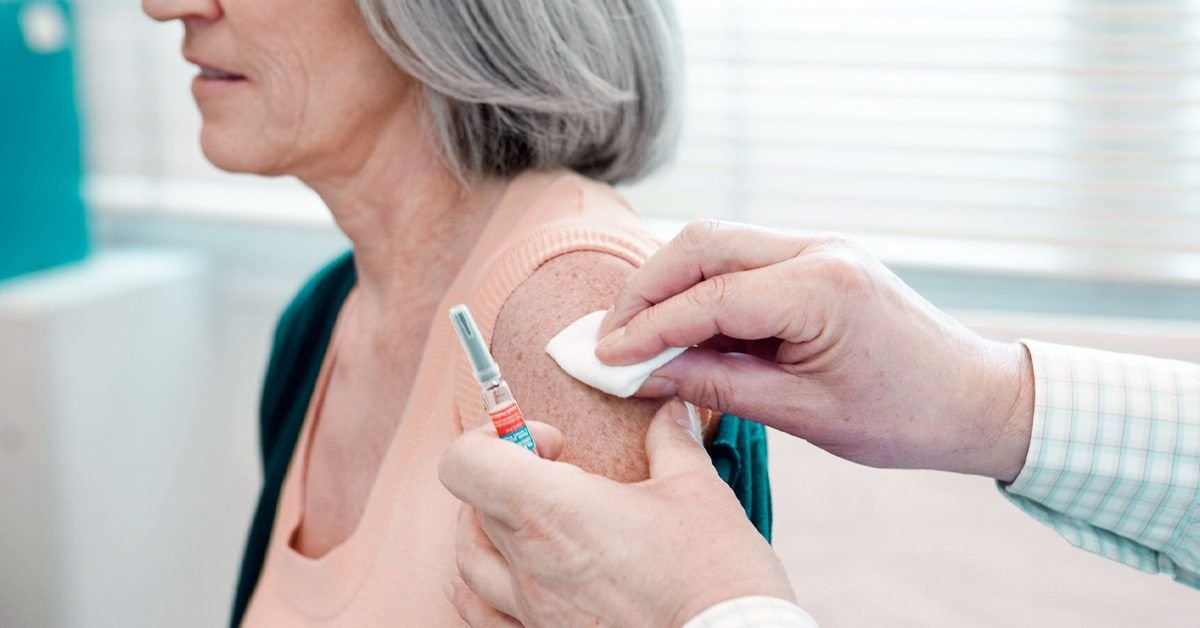
As we navigate aging, maintaining robust immune defense becomes paramount. Pneumonia, a serious inflammatory lung condition primarily caused by bacterial infections such as Streptococcus pneumoniae, poses a significant health threat to older adults and individuals with underlying chronic medical conditions. Fortunately, modern preventive medicine offers highly effective immunizations designed to dramatically reduce the risk of severe respiratory illness, hospitalization, and life-threatening medical complications. However, navigating the landscape of healthcare coverage, particularly Medicare, often leaves many beneficiaries wondering about out-of-pocket costs and specific billing rules.
Understanding how Medicare manages preventive care services—specifically life-saving immunizations like pneumococcal vaccines—is essential for maximizing your benefits without facing unexpected out-of-pocket medical bills. With various coverage divisions including Medicare Part B, Medicare Advantage (Part C), and prescription drug plans (Part D), determining which part pays for what can initially feel overwhelming. The encouraging news is that federal guidelines prioritize preventive care, ensuring that eligible beneficiaries can protect their respiratory health at zero out-of-pocket cost when following standard coverage protocols.
In this comprehensive guide, we will break down everything you need to know about Medicare coverage for pneumonia shots. From understanding the science behind modern conjugate and polysaccharide vaccines to navigating network rules, provider assignments, and CDC guidelines, this detailed overview equips you with actionable insights to safeguard your health and financial well-being.
What It Is & How It Works
Pneumococcal disease encompasses a broad spectrum of illness caused by the bacterium Streptococcus pneumoniae. While these bacteria can trigger common conditions such as middle ear infections and sinusitis, they are also responsible for severe, invasive diseases including pneumococcal pneumonia, bacteremia (bloodstream infection), and bacterial meningitis. Older adults, particularly those aged 65 and older, experience a natural age-related decline in immune function known as immunosenescence, making them significantly more susceptible to severe manifestations of pneumococcal infections.
To combat this vulnerability, modern medicine relies on two main categories of immunizations: pneumococcal conjugate vaccines (PCV) and pneumococcal polysaccharide vaccines (PPSV). Conjugate vaccines, such as PCV15 and PCV20, chemically attach bacterial sugars to a carrier protein. This specific structure stimulates a robust T-cell-dependent immune response that creates long-lasting immune memory. Polysaccharide vaccines, such as PPSV23, protect against 23 distinct bacterial strains by prompting immune B-cells to generate neutralizing antibodies directly.
The Centers for Disease Control and Prevention (CDC) currently recommends that all adults aged 65 or older receive pneumococcal vaccination. Depending on your personal medical history and previous vaccination record, your physician will typically recommend either a single dose of the newer PCV20 vaccine or a sequential combination of PCV15 followed by a dose of PPSV23 approximately one year later. These vaccines work synergistically to train your immune system to recognize and neutralize the specific capsular polysaccharides characteristic of harmful pneumococcal strains, creating a vital shield against acute respiratory decline.
Key Benefits, Symptoms, or Evidence
Securing timely pneumococcal immunizations offers far-reaching healthcare advantages for seniors and immunocompromised individuals. Respiratory infections remain a leading cause of emergency hospital admissions among older demographics, but clinical trial data and real-world epidemiological evidence consistently demonstrate that routine vaccination substantially lowers hospitalization rates, intensive care admissions, and long-term pulmonary tissue damage.
- Significant Reduction in Invasive Disease: Vaccines effectively prevent severe systemic complications such as bacteremic pneumonia and septic shock caused by dangerous pneumococcal serotypes.
- Decreased Disease Severity: If a breakthrough infection occurs, vaccinated individuals experience milder symptoms, reduced hospital stay durations, and significantly lower mortality risks.
- Protection Against Acute Respiratory Symptoms: Immunization shields against high fever, shaking chills, severe chest pain during coughing, persistent phlegm production, acute shortness of breath, and dangerous drops in blood oxygen levels.
- Prevention of Neurological Complications: Immunization reduces the risk of bacterial meningitis, an infection of the brain and spinal cord membranes that can cause permanent cognitive decline or hearing loss.
- Community Protection: High rates of senior vaccination contribute to broader herd immunity, reducing transmission of virulent bacterial strains to vulnerable family members and grandchildren.
The scientific consensus across public health organizations is clear: preventative pneumococcal vaccination remains one of the most cost-effective, high-impact clinical interventions available in geriatric healthcare today. By neutralizing dangerous bacterial pathogens before they establish deep infection within pulmonary tissue, these vaccines preserve physical independence, respiratory function, and overall quality of life.
Understanding Medicare Coverage Breakdown: Part B vs. Part C vs. Part D
When it comes to financial coverage for pneumonia vaccines, the structure of Medicare is remarkably favorable to beneficiaries, provided you understand how each component operates. Unlike many routine prescription medications that fall under standalone prescription drug plans, pneumococcal immunizations are explicitly classified as preventive medical services under Original Medicare Part B.
Under Medicare Part B (Medical Insurance), pneumonia shots are covered 100% with zero out-of-pocket costs for eligible individuals. This means you do not have to meet your annual Part B deductible, nor are you subject to the standard 20% coinsurance payment, provided your healthcare provider accepts Medicare assignment. Provider assignment is a formal arrangement where a clinician or healthcare facility agrees to accept the Medicare-approved amount as payment in full. When you receive your shot from an assignment-accepting physician, clinic, or participating retail pharmacy, you pay nothing.
For beneficiaries enrolled in Medicare Advantage (Part C), coverage benefits mirror Original Medicare rules, but specific operational requirements apply. Federal regulations mandate that Medicare Advantage plans must cover all preventive services that Original Medicare covers at no extra charge. However, Medicare Advantage plans operate through designated provider networks. To ensure your pneumonia vaccine is completely free, you must receive the shot from an in-network primary care provider, health facility, or participating pharmacy. Obtaining care out-of-network could result in administrative facility fees or out-of-pocket costs.
It is equally important to understand the role of Medicare Part D (Prescription Drug Coverage). While Part D covers many routine adult vaccines—such as the shingles and Tdap shots under recent federal legislative updates—it does not cover pneumococcal vaccines. Because Part B retains primary statutory responsibility for pneumonia shots, you should never bill your Part D plan for these injections. Attempting to process a pneumonia vaccine through a standalone Part D drug plan could lead to claims processing errors or accidental copayment charges at the pharmacy counter.
A Step-by-Step Action Plan to Get Vaccinated for Free
To ensure a smooth, cost-free experience when receiving your pneumococcal vaccination, following a structured action plan is recommended. Taking a proactive approach prevents administrative billing confusion and guarantees that you receive the exact vaccine formulation appropriate for your personal health status.
First, evaluate your personal vaccination history. Check your existing medical records or speak with your primary care clinic to verify whether you have previously received older vaccine formulations such as PCV13, PCV15, PCV20, or PPSV23. If you have already received a vaccine in the past, your doctor will determine whether an updated booster with PCV20 is necessary to maintain broad protection against evolving bacterial strains.
Second, confirm provider assignment and network status in advance. Before scheduling your appointment, contact your healthcare provider’s office or pharmacy. If you have Original Medicare, confirm that the provider accepts Medicare assignment for Part B preventive immunizations. If you belong to a Medicare Advantage plan, check your insurer’s directory or call the customer service number on your membership card to verify that the doctor or retail pharmacy is listed as an active in-network provider.
Third, schedule your appointment and complete the recommended series. If your physician recommends the PCV15 vaccine, be sure to schedule a calendar reminder for your follow-up PPSV23 shot roughly 11 to 12 months later. If you receive the single-dose PCV20 vaccine, no follow-up booster is typically required. Discuss any underlying medical conditions—such as diabetes, chronic kidney disease, lung disease, or immunocompromising conditions—with your provider, as these factors may influence clinical timing.
Finally, document your immunization thoroughly. Request a physical record or digital update detailing the exact vaccine product name, manufacturer, lot number, date of administration, and administration site. Ensure your primary care physician updates your centralized Electronic Health Record (EHR) and state immunization registry to maintain an accurate lifetime health profile.
Frequently Asked Questions – FAQ
Do I need a doctor’s prescription or prior authorization to get my pneumonia shot covered under Medicare?
No, Original Medicare Part B and Medicare Advantage plans do not require a formal doctor’s prescription or prior authorization for pneumococcal vaccines. Eligible beneficiaries aged 65 and older, as well as younger individuals with specific qualifying health conditions, can receive the vaccine directly from participating medical clinics, county health departments, or accredited retail pharmacies. However, verifying that the administering pharmacy or provider is authorized to bill Medicare Part B directly is essential to avoid out-of-pocket billing errors.
What happens if I receive the vaccine from an out-of-network provider or one who doesn’t accept Medicare assignment?
If you have Original Medicare and visit a non-participating provider who does not accept Medicare assignment, the provider may charge fees above the Medicare-approved rate or require upfront payment in full. You might then need to submit a manual reimbursement claim, which may not cover the full amount charged. For Medicare Advantage (Part C) members, getting vaccinated out-of-network usually voids the zero-copay guarantee, leaving you responsible for coinsurance, copayments, or the entire retail cost of the injection. Always confirm network and assignment participation beforehand.
How often do older adults need to receive pneumococcal vaccinations under current medical guidelines?
For most healthy adults aged 65 and older who have never previously received a pneumococcal vaccine, current CDC guidelines recommend a single dose of the PCV20 vaccine, which provides long-lasting protection without requiring subsequent boosters. Alternatively, if PCV15 is administered, it must be followed by a single dose of PPSV23 approximately one year later to complete the protective series. Individuals who received older vaccines prior to age 65 should consult their physician to determine if an updated PCV20 dose is recommended.
Conclusion / Final Takeaway
Protecting your respiratory health through pneumococcal vaccination is one of the most effective preventive health measures available to older adults. Pneumonia and associated invasive bacterial infections pose severe health risks, but modern vaccines offer robust, long-lasting defense against the most dangerous strains of Streptococcus pneumoniae. With Medicare Part B and Medicare Advantage fully covering these immunizations at zero out-of-pocket cost, financial barriers should never stand in the way of vital preventive care.
By taking time to verify provider assignment, understand network requirements, and consult with your physician regarding the optimal vaccination schedule, you can easily navigate the Medicare system and secure complete coverage. Prioritize your long-term wellness today by checking your immunization status and scheduling your pneumonia shot—giving yourself and your loved ones valuable peace of mind for years to come.
Leave a Reply