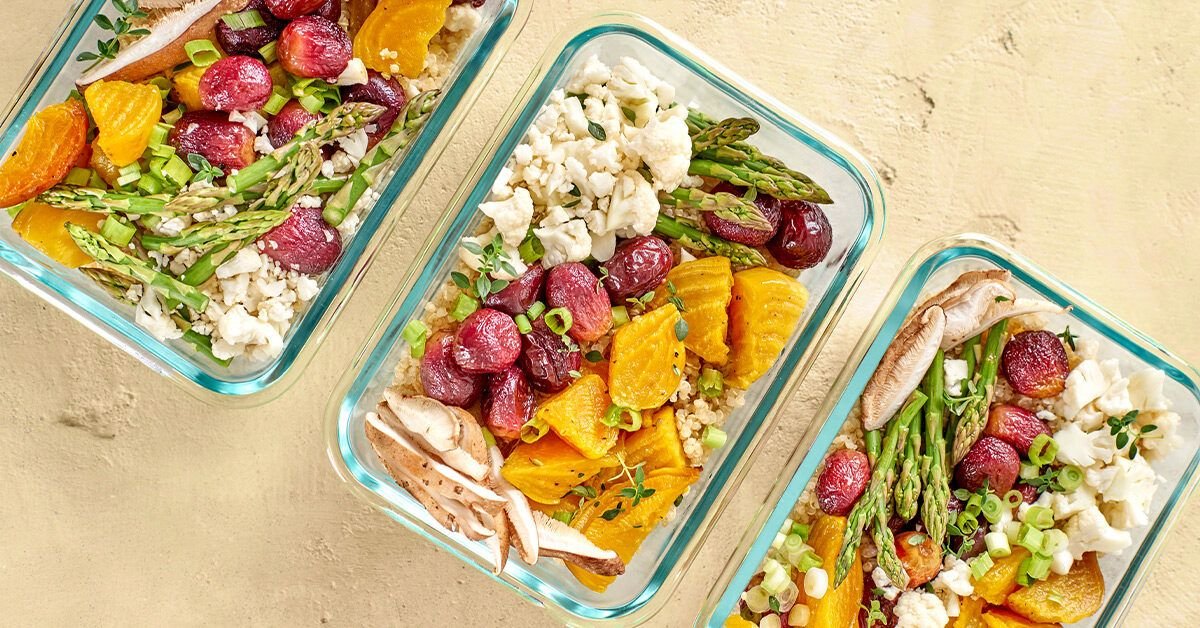
In today’s fast-paced world, maintaining a nutritious, balanced diet can feel like an uphill battle. Between demanding professional schedules, personal responsibilities, and the mental tax of continuous decision-making, preparing a wholesome dinner every single evening often falls to the bottom of the priority list. When convenience dictates food choices, many individuals default to ultra-processed meals, high-calorie takeout, or erratic eating patterns that unintentionally sabotage their health goals and body composition targets.
Meal prepping offers a clear, evidence-based solution to this widespread dietary challenge. By shifting the work of food selection, purchasing, and preparation to scheduled blocks during the week, you can gain firm control over your nutritional intake, significantly lower mealtime stress, and establish a reliable framework for lasting weight management. Far from being an overly rigid or restrictive regimen, strategic meal planning acts as an adaptable, highly effective strategy for nourishing your body consistently.
Whether your goal is to reduce excess body fat, preserve lean muscle tissue, or simply increase your consumption of whole, nutrient-dense foods, mastering meal preparation transforms weight loss from a daily struggle into a manageable, repeatable routine. This comprehensive guide examines the physiological and psychological mechanics of meal planning, highlights key evidence-based benefits, and offers a step-by-step roadmap for building a personalized kitchen workflow.
What It Is and How It Works
At its core, meal prepping is the practice of planning, purchasing, and preparing ingredients or complete meals ahead of consumption. Rather than following a rigid set of rules, meal prepping exists along a broad spectrum tailored to individual schedules and culinary preferences. Some people prefer batch-cooking entire recipes and dividing them into ready-to-eat containers. Others favor component prepping—roasting trays of mixed vegetables, grilling diverse proteins, and boiling whole grains in bulk—allowing for quick, dynamic assembly of distinct plates throughout the week.
From a behavioral standpoint, meal prep works by directly removing two primary drivers of dietary slip-ups: environmental friction and decision fatigue. When wholesome, pre-portioned food is sitting ready in your refrigerator, the barrier to choosing a healthy option drops dramatically. You no longer have to rely on willpower at the end of an exhausting day when hunger is high and executive cognitive control is low.
Physiologically, meal prepping provides predictable oversight of energy balance, which is the foundational variable governing weight loss. Achieving body fat reduction requires a sustained, moderate energy deficit—consuming fewer calories than the body expends. Cooking meals at home gives you complete ownership over portion sizes, added oils, and ingredient selection, effectively eliminating hidden calories and excessive sodium commonly found in restaurant foods. Instead of turning to unsustainable, ultra-low-calorie diets that trigger intense hunger and metabolic slowdown, prepped meals facilitate steady, manageable weight loss through high nutrient density.
Key Benefits and Evidence-Based Advantages
Clinical nutrition research consistently demonstrates that structured home-meal preparation improves overall diet quality and supports long-term body weight management. The positive health outcomes of adopting a weekly prep routine extend across multiple physiological domains:
- Enhanced Appetite Regulation and Satiety: Prepped meals structured around high-quality proteins, complex carbohydrates, and dietary fiber stabilize blood glucose levels and suppress hunger hormones like ghrelin, making calorie adherence comfortable and natural.
- Preservation of Lean Body Mass: Adequate, distributed protein intake protects lean muscle tissue during periods of weight loss. Portion-controlled prep ensures consistent delivery of essential amino acids across all daily meals.
- Substantial Reduction in Cognitive Fatigue: Pre-determining your daily nutritional intake conserves mental bandwidth, preventing impulsive, high-calorie food choices driven by acute stress or afternoon energy dips.
- Prevention of Yo-Yo Dieting Cycles: By avoiding aggressive, restrictive starvation diets (such as those under 1,200 calories per day), meal planning fosters moderate calorie deficits that yield sustainable fat loss without compromising metabolic health.
- Increased Micronutrient Intake: Thoughtful weekly planning encourages the intentional inclusion of varied colorful produce, increasing consumption of vital vitamins, minerals, antioxidants, and digestive enzymes.
- Time and Financial Economy: Cooking in bulk significantly reduces food waste, lowers overall weekly grocery expenses, and reclaims precious hours on busy weeknights.
Integrating these evidence-based principles into your lifestyle creates an environment where healthy choices become the default option, protecting your long-term wellness journey from unpredictable schedule disruptions.
Practical Step-by-Step Guide: Strategy and Preparation
Establishing an efficient meal prep routine begins well before setting foot in the kitchen. Methodical organization reduces overall effort and ensures your prepped meals remain satisfying and varied.
First, analyze your upcoming week to identify your specific structural needs. Review your schedule to see which days present the greatest time constraints or nutritional hurdles. If busy workdays lead to rushed, unhealthy lunches, prioritize mid-day meals. If exhausting evenings lead to frequent fast-food orders, focus on dinner solutions. Once your targets are identified, select two to three versatile recipes that share common primary ingredients. For example, roasted sweet potatoes, bell peppers, and lean ground turkey can serve as a Southwestern quinoa bowl on Monday and a savory breakfast hash on Tuesday.
Next, build a targeted grocery list aligned with your chosen recipes. Prioritize non-starchy vegetables (such as spinach, broccoli, zucchini, and peppers), lean proteins (chicken breast, ground turkey, eggs, tofu, fish, and lentils), smart carbohydrates (brown rice, oats, quinoa, and sweet potatoes), and healthy fats (olive oil, avocado, nuts, and seeds). Do not overlook frozen or canned options; frozen vegetables and fruits are packed at peak nutritional density, possess long shelf lives, and reduce prep time significantly.
Practical Step-by-Step Guide: Execution and Assembly
When you are ready to cook, set aside a dedicated two-hour window on a low-stress day. Streamlining your workflow during this time ensures cooking remains enjoyable rather than overwhelming.
Maximize efficiency by using multiple cooking surfaces simultaneously. While a large sheet pan of seasoned chicken and root vegetables roasts in the oven at 400°F (200°C), simmer a large pot of whole grains on the stovetop and steam vegetables in a secondary pan. If you utilize countertop appliances like slow cookers or air fryers, deploy them concurrently to prepare secondary proteins or side items. This parallel approach minimizes total hands-on time and keeps kitchen equipment working for you.
When assembling your meals into containers, follow a simple visual plate ratio designed to optimize fullness and metabolic health: fill 50% of the container with non-starchy vegetables, 25% with lean protein, and 25% with complex carbohydrates, finishing with a small serving of healthy fat. Use high-quality, glass airtight containers; glass is durable, non-porous, safe for microwave heating, and keeps food tasting fresh. Always allow hot cooked items to cool to ambient temperature before sealing lids to prevent excess condensation, which degrades food texture and shortens shelf life.
Frequently Asked Questions
How can I avoid palate fatigue and keep prepped meals exciting?
Monotony is one of the most common reasons individuals abandon meal prepping. To maintain flavor diversity without doubling your cooking time, rely on sauce and spice variations rather than preparing entirely separate dishes. Cook neutral foundation ingredients—such as basic grilled chicken, brown rice, and roasted vegetables—and apply distinct sauces to individual containers. One container can feature a Mediterranean profile with lemon-tahini and oregano, another a Southwestern theme with salsa and cumin, and a third a East-Asian profile with low-sodium tamari and ginger. Furthermore, store fresh elements like toasted seeds, herbs, or sliced radishes in small separate bags to add crisp texture right before serving.
Do I need to weigh food and count calories strictly while meal prepping?
No, strict calorie counting and weighing food are not mandatory to achieve success with meal prepping. While managing overall energy intake is necessary for fat loss, relying on structured visual portion control is often more sustainable for long-term health. By using the recommended container layout—filling half with non-starchy vegetables, one quarter with lean protein, and one quarter with complex carbs—you automatically create an energy deficit composed of high-volume, nutrient-dense foods. Listening to internal hunger and fullness cues while minimizing processed food intake will generally produce steady, healthy fat loss without requiring complex mathematical tracking.
What is the proper way to store prepped meals safely throughout the week?
As a general standard for food safety, cooked meats, poultry, seafood, and grains stored in airtight containers remain safe and fresh in the refrigerator for three to four days at temperatures below 40°F (4°C). If you are preparing food for five to seven days, store the first three days of meals in the refrigerator and immediately freeze the remaining portions. Soups, stews, cooked grains, and braised meats freeze exceptionally well. Move frozen containers into the refrigerator 24 hours before planned consumption to allow safe thawing, and reheat all dishes until they reach an internal temperature of 165°F (74°C).
Conclusion and Key Takeaways
Meal prepping is an operational strategy that empowers you to take charge of your nutritional environment, optimize daily performance, and accomplish long-term body composition goals. By systematically organizing your food choices around nutrient-dense whole ingredients, you eliminate daily friction, reduce emotional stress around eating, and supply your body with the high-grade fuel required for optimal health.
Remember that sustainable weight loss relies on consistent, realistic habits rather than immediate perfection. Begin modestly by prepping just two or three meals for the week ahead, discover the methods that fit seamlessly into your routine, and refine your approach over time. With patience and organization, meal preparation will transform from a weekend chore into an empowering habit that supports your lifelong vitality.
Leave a Reply