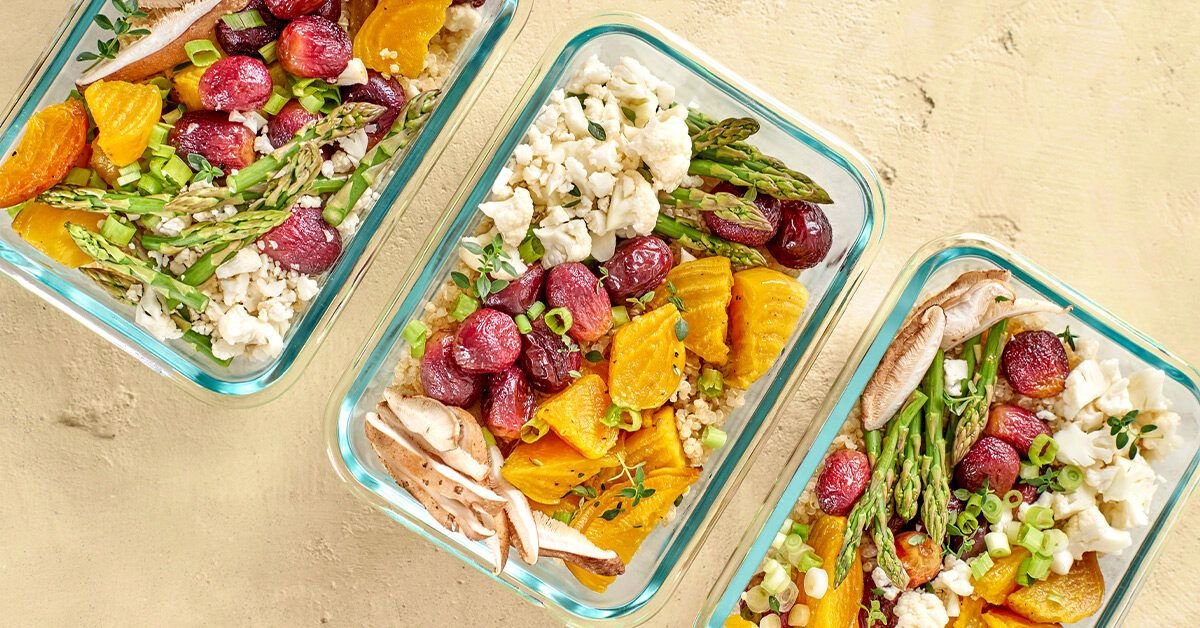
In today’s fast-paced world, maintaining a consistent, nutrient-dense diet can often feel like an uphill battle. Between demanding work schedules, family commitments, and daily stress, convenience frequently triumphs over nutritional quality. This reliance on quick, highly processed convenience foods is one of the primary drivers of unintentional weight gain and dietary imbalance. Meal prepping—the practice of planning, preparing, and portioning meals prior to consumption—offers a practical, evidence-based solution that transforms how you approach daily nutrition.
Far from being a rigid trend reserved solely for competitive bodybuilders, meal prepping is a versatile tool adaptable to any lifestyle, dietary preference, or weight loss goal. By taking control of your food environment ahead of time, you eliminate the daily guesswork, reduce stress around mealtimes, and build a predictable structure that naturally supports a sustainable caloric deficit. Rather than relying on fleeting willpower during moments of hunger, having healthy, delicious options ready to eat ensures that your choices align with your long-term health objectives.
Ultimately, successful weight loss is not about severe restriction, eliminating entire food groups, or adhering to unsustainable crash diets. It is rooted in long-term habit modification, consistency, and metabolic nourishment. This comprehensive guide explores the physiological and behavioral mechanics of meal prepping, offers practical steps for organizing your kitchen workflow, and provides actionable strategies to help you achieve lasting weight management while still enjoying every bite.
What It Is and How It Works
At its core, meal prepping involves setting aside a dedicated block of time—typically once or twice a week—to plan, shop for, cook, and portion out meals and snacks for the days ahead. The process can range from simple batch cooking of basic staples (such as roasting a large tray of vegetables and grilling several chicken breasts) to fully assembling complete, individual ready-to-eat meals stored in portable containers. The flexibility of meal prepping allows individuals to tailor the methodology to their specific schedules and preferences.
The physiology behind meal prepping for weight loss centers on calorie balance and nutrient distribution. To lose body fat, the body must experience a energy deficit, consuming fewer calories than it expends over time. When meals are prepared at home, you regain total control over portion sizes, cooking oils, added sugars, and sodium levels—variables that are notoriously difficult to monitor when eating out or relying on pre-packaged convenience meals. Furthermore, organizing meals in advance enables you to optimize your intake of essential macronutrients, specifically prioritizing high-protein sources and dietary fiber, both of which are critical for enhancing satiety and preserving lean muscle tissue during weight loss.
Key Benefits and Scientific Evidence
Research consistently demonstrates that structured dietary planning positively influences overall diet quality and body weight management. By systematically organizing your eating routine, you bypass common psychological and physiological traps that lead to overeating and dietary failure.
- Enhanced Portion Control and Reduced Energy Intake: Pre-portioning meals into individual containers creates clear, visual boundaries for food intake. Studies show that larger served portions lead to unintentional overconsumption; pre-measured meals eliminate this risk automatically.
- Optimization of Satiety Macronutrients: Meal prep allows you to intentionally design meals around protein and fiber. Protein stimulates the release of satiety hormones while preserving lean muscle mass, and dietary fiber slows digestion, stabilizing blood glucose and keeping hunger at bay.
- Mitigation of Decision Fatigue: Throughout the day, the human brain makes hundreds of food-related decisions. As mental fatigue sets in by evening, self-control diminishes, making high-calorie, low-nutrient foods more appealing. Meal prep removes real-time decision-making from the equation.
- Consistency and Long-Term Habit Formation: Weight loss sustainability relies on repeatable behaviors. Consistently preparing wholesome meals reinforces healthy habits, transforming deliberate actions into automatic daily choices.
- Time and Resource Efficiency: Preparing meals in bulk significantly reduces daily cooking and cleaning time, while grocery shopping with a tailored plan decreases impulse buying, reducing overall food expenditure and minimizing waste.
Clinical evidence underscores that extreme restriction—such as diets providing fewer than 1,200 calories per day—often backfires by triggering intense cravings, slowing down metabolic rate, and promoting muscle loss. In contrast, meal prepping encourages a balanced, moderate caloric deficit using whole, nutrient-dense foods, fostering a healthy relationship with food while securing permanent results.
Building a Nutrient-Dense Meal Prep Shopping List
A successful meal prep system begins with an organized, intentional grocery strategy. A well-stocked kitchen guarantees that you have all the necessary ingredients to create satisfying, nutrient-rich meals without relying on last-minute store runs or takeout ordering.
To build a balanced meal prep shopping list, focus on filling your cart with wholesome foods across four main categories: high-quality proteins, non-starchy vegetables, complex carbohydrates, and healthy fats. High-quality protein options include lean poultry such as chicken breast and ground turkey, wild-caught fish, canned tuna, eggs, tofu, tempeh, and legume varieties like black beans and lentils. Protein provides the building blocks for tissue repair and maintains satiety. Non-starchy vegetables—such as broccoli, spinach, kale, bell peppers, zucchini, cauliflower, and asparagus—add vital micronutrients, antioxidants, and dietary bulk for very few calories, allowing you to eat larger, visually satisfying portions.
For energy balance, integrate complex carbohydrates that deliver sustained fuel without spiking blood sugar. Outstanding choices include sweet potatoes, quinoa, brown rice, rolled oats, winter squash, and whole-grain farro. Finally, incorporate heart-healthy fats in moderation to facilitate nutrient absorption and add rich flavor; include extra virgin olive oil, avocados, raw nuts, seeds, and natural nut butters. Keep shelf-stable staples, such as low-sodium canned tomatoes, frozen vegetable blends, and basic herbs and spices, to ensure you can assemble wholesome meals even when fresh produce runs low.
Step-by-Step Execution: From Planning to Storage
Transforming meal preparation from an overwhelming chore into an effortless routine requires a systematic approach. Following a structured multi-step process ensures efficiency, safety, and optimal food freshness throughout the week.
Begin by designating a specific day for menu planning and grocery shopping, followed by a separate window for batch cooking. For many, planning on Friday, shopping on Saturday, and cooking on Sunday afternoon provides a seamless flow into the workweek. Focus on recipes that share common ingredients to minimize preparation steps and eliminate ingredient waste. For instance, roasting a multi-vegetable tray alongside your primary carbohydrate sources allows you to cook multiple components simultaneously on different oven racks.
When cooking, utilize multi-tasking techniques: use your oven for sheet-pan meals and roasted proteins, the stovetop for grain boiling, and an air fryer or pressure cooker for quick protein prep. Once cooked, allow foods to cool slightly before partitioning them into airtight, BPA-free glass or silicone containers. Proper storage is paramount for food safety and quality; keep meals intended for the next three to four days in the refrigerator at or below 40°F (4°C), and transfer remaining portions to the freezer. Label containers with prep dates, keep dressings and sauces separate until serving to prevent sogginess, and reheat foods to an internal temperature of 165°F (74°C) prior to consumption.
Frequently Asked Questions
How many calories should I target per meal when prepping for weight loss?
Caloric needs vary significantly based on age, sex, current weight, height, and physical activity level. Rather than adopting generic online targets that severely restrict energy intake below 1,200 to 1,500 calories per day, calculate your total daily energy expenditure (TDEE) and subtract 300 to 500 calories to create a gentle, sustainable deficit. Dividing your target daily calories across three balanced meals and one optional snack usually yields around 400 to 600 calories per main meal, with an emphasis on high protein and dietary fiber to maximize fullness.
How do I keep prepped meals from getting dry, bland, or spoiling quickly?
To preserve freshness and palatability, avoid overcooking proteins, especially lean options like chicken breast, as reheating will cook them further. Use flavorful marinades, citrus juices, fresh herbs, and spices liberally during cooking without adding unnecessary calories. Keep liquid sauces, dressings, and fresh greens in separate containers, adding them only when ready to eat. For food safety and optimal taste, consume refrigerated prepped meals within three to four days, and freeze any additional portions immediately after cooking to maintain flavor and texture.
Is strict calorie counting mandatory when meal prepping for weight loss?
No, strict calorie counting is not mandatory. Meal prepping naturally aids weight management by establishing structural control over ingredients and portion sizes. You can achieve excellent weight loss results by utilizing the “plate method” during prep: filling half of each container with non-starchy vegetables, one-quarter with lean protein, and one-quarter with complex carbohydrates, finished with a small serving of healthy fats. This method ensures balanced macronutrient ratios, controls caloric density, and encourages mindful eating without the need for meticulous tracking apps.
Conclusion and Final Takeaway
Meal prepping is far more than a simple strategy for saving time in the kitchen; it is a transformative health strategy that bridges the gap between your fitness intentions and your daily choices. By establishing an organized routine of planning, shopping, and batch cooking, you create an environment that naturally fosters consistency, eliminates stress, and protects you from the pitfalls of impulsive eating. When rooted in balance, variety, and nutrient density, meal preparation removes the friction often associated with weight management.
Remember that long-term success relies on adaptability and personal enjoyment. Your meal prep routine should fit seamlessly into your lifestyle, evolving alongside your personal tastes and schedule. By prioritizing whole foods, lean proteins, fiber, and sensible portions, you build a sustainable foundation for achieving your weight loss goals, optimizing your metabolic health, and fostering a rewarding, lifelong relationship with food.
Leave a Reply