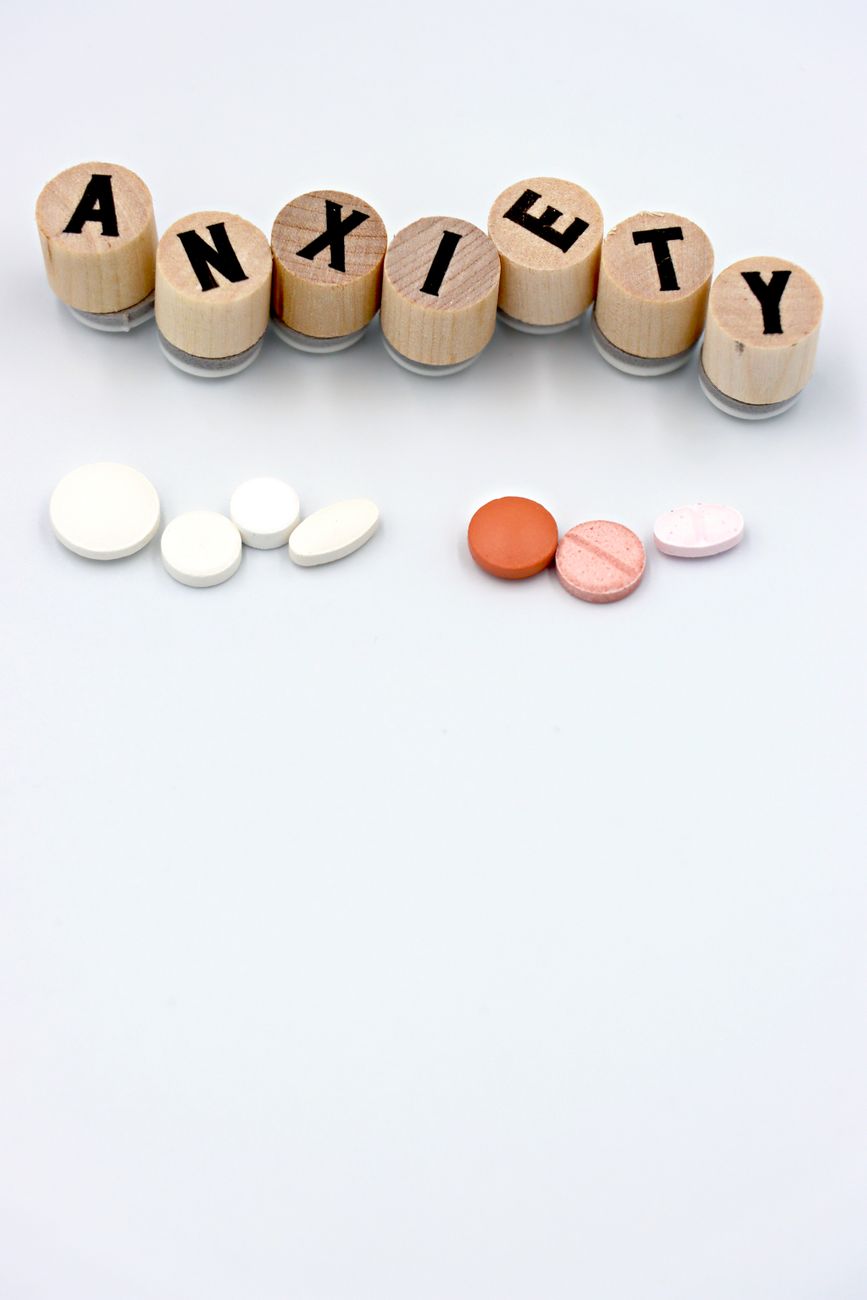
Mental health is a critical aspect of overall well-being. This comprehensive guide explores various facets of anxiety and depression, offering insights, strategies, and resources to help individuals manage these conditions and foster a healthier mental state.
Understanding and Managing Anxiety
Anxiety disorders are manageable mental health conditions. Effective coping techniques often involve identifying personal triggers and implementing strategies to calm or quiet anxious thoughts. A range of treatment options is available, including alternative therapies and the practice of meditation, which has demonstrated benefits in reducing anxiety.
Addressing Depression
Managing depression, including forms that are resistant to initial treatments, requires a multifaceted approach. Understanding the distinctions between inpatient and outpatient rehabilitation programs can guide treatment choices. Lifestyle adjustments, alongside medication and therapy, are crucial for effective management. Cognitive Behavioral Therapy (CBT) is a widely recognized psychotherapy approach that helps modify thought patterns associated with depression.
Crisis Support and Prevention
For individuals experiencing a mental health crisis, immediate support is paramount. Resources for suicide prevention are available, and guidance on how to thoughtfully support someone in crisis is essential to prevent burnout. Learning to manage suicidal thoughts and knowing where to seek help are vital steps.
Navigating Therapy
Finding the right therapist involves exploring different therapeutic approaches, comparing options, and understanding the associated costs. Preparing for therapy sessions by considering potential topics of discussion can also enhance the experience. Various types of therapy cater to diverse needs.
Symptoms and Their Impact
Chronic anxiety can significantly diminish one’s quality of life and lead to serious physical health implications. Similarly, untreated depression can have profound effects on the body and mind. It is important to differentiate between transient sadness and clinical depression, recognizing the signs of each. The connection between empathy and a predisposition to anxiety is also an area of exploration.
The Role of Sleep
Anxiety often contributes to feelings of fatigue and can disrupt sleep patterns. Distinguishing between exhaustion and depression is important for accurate self-assessment. Strategies to alleviate nighttime anxiety, such as meditation, can promote better sleep quality.
Nutrition and Mental Health
Diet plays a crucial role in mental well-being. Certain foods may contribute to increased serotonin levels, a chemical messenger linked to mood elevation. Specific dietary choices can also help ease anxiety symptoms. Furthermore, research suggests a potential link between vitamin D deficiency and symptoms of depression.
Cultivating Emotional Well-Being
Practices such as journaling and creating a mindful home environment contribute significantly to emotional health. Understanding one’s own emotional sensitivity and recognizing the physical and emotional signs of excessive stress are also key components of maintaining well-being.
Physical Activity and Exercise
Regular physical activity offers substantial mental health benefits, complementing its physical advantages. Yoga, for instance, is often utilized to manage anxiety and stress. Encouraging outdoor activities for children and teenagers can have a major positive impact on their mental health. Strategies are also available to overcome “gymtimidation” and embrace exercise.
Doctor Visits and Self-Advocacy
Learning to advocate for oneself during medical appointments is a valuable skill. Understanding the role of mental health counselors and knowing what to expect during a first psychiatry appointment are important steps. Information on how to determine insurance coverage for therapy is also a practical resource.
Comorbidities: Interconnected Conditions
Anxiety and depression frequently coexist, sharing several key symptoms. Chronic pain is often linked with depression, and individuals with ADHD have an increased risk of developing anxiety. Recognizing these interconnected conditions is vital for comprehensive treatment and support.
Leave a Reply