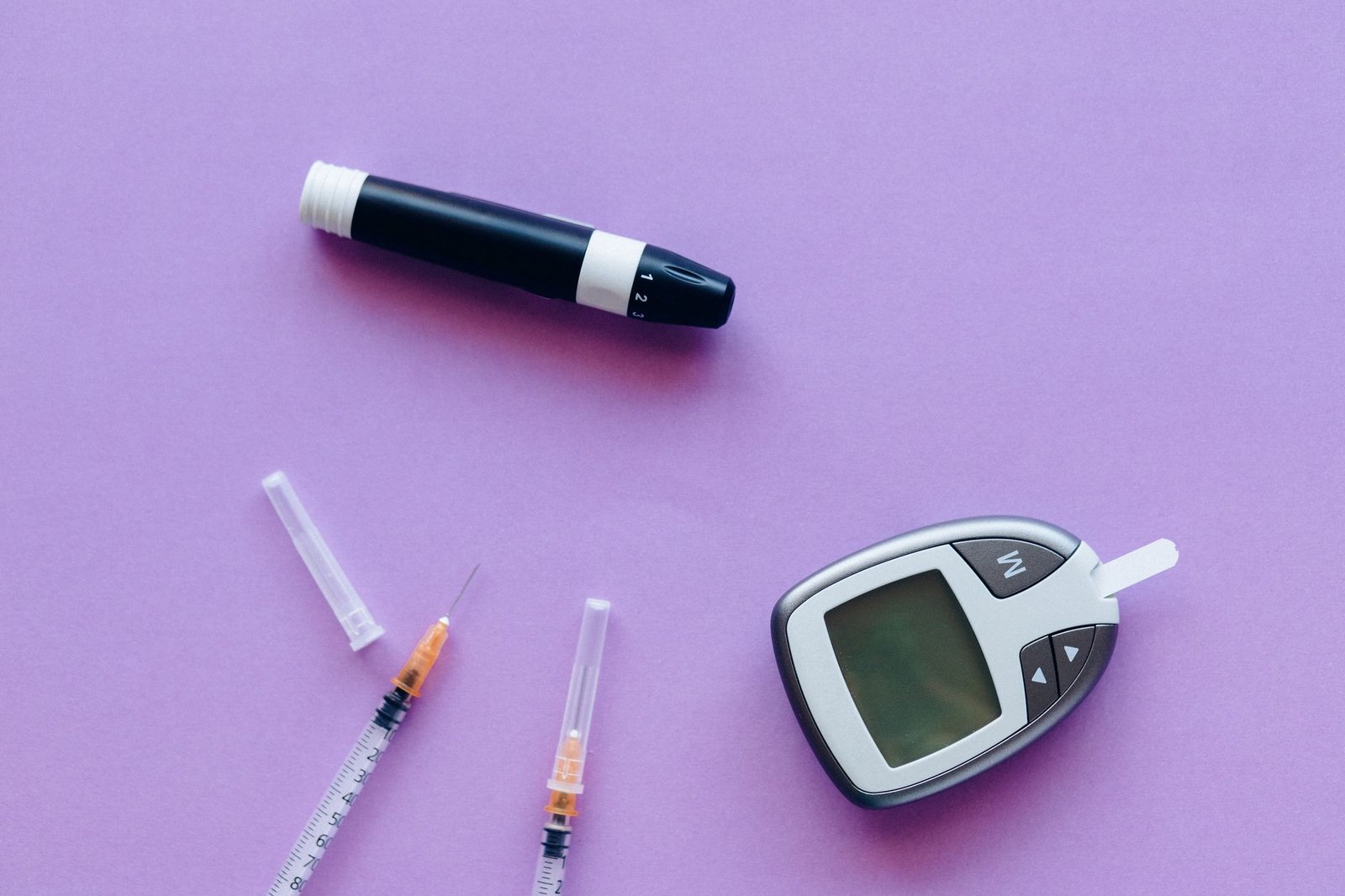
Understanding Diabetes and the Role of Glucose
Diabetes is a chronic health condition that affects how the body turns food into energy. At the center of this process is glucose, a vital sugar that serves as the primary energy source for the body’s cells. Proper glucose management is essential for overall health, and understanding how blood sugar levels fluctuate can help individuals prevent long-term complications associated with diabetes.
While type 1 diabetes is an autoimmune condition, type 2 diabetes and prediabetes are closely linked to lifestyle factors and insulin resistance. Insulin resistance occurs when the body’s cells do not respond effectively to insulin, leading to elevated blood sugar levels. Identifying these conditions early through routine diagnostic tests is crucial for timely intervention.
Recognizing Prediabetes and Prevention Strategies
Prediabetes is a warning sign indicating that fasting blood glucose levels are higher than normal, but not yet high enough to be classified as type 2 diabetes. Fortunately, prediabetes is highly reversible. Implementing targeted lifestyle changes, such as adopting a balanced eating plan and increasing physical activity, can significantly delay or prevent the onset of type 2 diabetes.
Emerging research also highlights the role of specific nutrients in blood sugar regulation. For instance, maintaining adequate vitamin D levels may support insulin production and improve glucose metabolism. Simple daily adjustments can make a profound difference in halting the progression of the condition.
Optimizing Your Diet for Blood Sugar Control
Managing diabetes does not mean sacrificing flavor or variety in your diet. Choosing the right foods is key to maintaining stable blood sugar levels. Whole grains like oatmeal are highly beneficial due to their fiber content, which slows down glucose absorption. Similarly, selecting low-carb, high-fiber breads allows individuals to enjoy bread without experiencing sharp blood sugar spikes.
When it comes to fruits and complex carbohydrates, portion control and pairing are essential. While tropical fruits like mangoes and traditional dishes like grits are higher in carbohydrates, they can still be enjoyed in moderation when balanced with proteins and healthy fats. Additionally, incorporating magnesium-rich foods or supplements may further assist in metabolic regulation.
Lifestyle Habits: Exercise, Sleep, and Daily Routines
Physical activity is one of the most effective ways to lower blood sugar naturally. Research indicates that taking a short, fifteen-minute walk after meals can significantly curb postprandial glucose spikes. Furthermore, timing your workouts to the afternoon or evening may offer enhanced benefits in reducing insulin resistance, particularly for those managing weight.
Beyond exercise, sleep quality plays a critical role in metabolic health. Poor sleep can disrupt hormone levels, making blood sugar more difficult to manage. Establishing a consistent bedtime routine and optimizing your sleep environment are vital steps in comprehensive diabetes care. Starting the day with structured morning routines can also reduce stress and set a positive tone for daily glucose management.
Can Type 2 Diabetes Be Reversed?
A common question among newly diagnosed individuals is whether type 2 diabetes can be reversed. While there is no permanent cure, clinical evidence shows that significant weight loss, dietary changes, and regular exercise can drive the condition into remission. This means blood sugar levels can return to a healthy, non-diabetic range without the need for medication, highlighting the power of proactive lifestyle management.
Leave a Reply