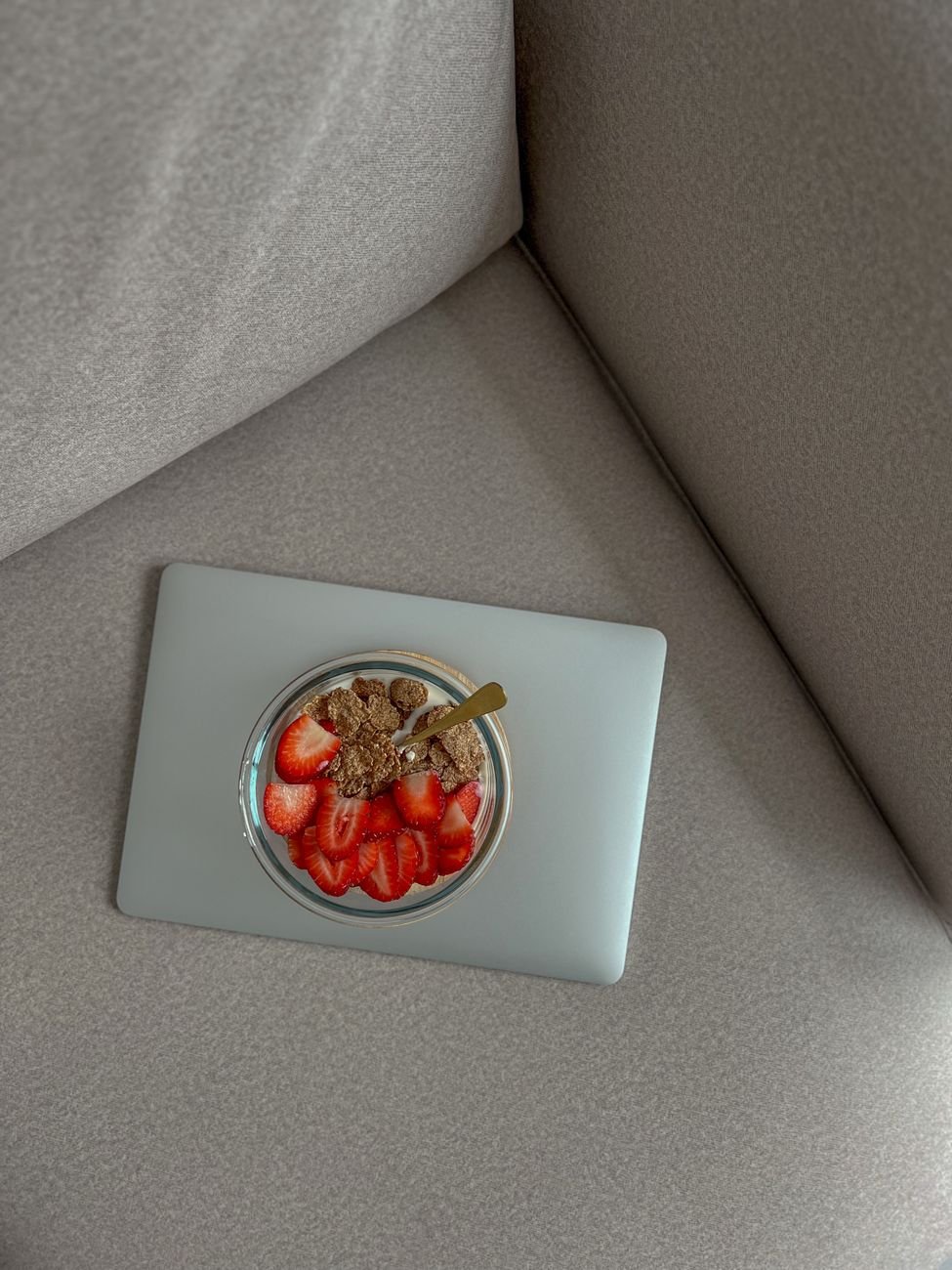
For many, the concept of eating when hungry and stopping when full seems inherently simple. However, for individuals who have spent decades entangled in the cycle of dieting, this fundamental principle can be profoundly challenging.
The Chronic Dieter’s Struggle
The journey of a chronic dieter often begins early, marked by continuous calorie restriction and adherence to various dietary regimens. From low-carb approaches and meticulous calorie counting to tracking macros, ketogenic diets, and programs like Whole30, the pursuit of weight loss can become a relentless endeavor. Despite repeated commitments to increased exercise and reduced food intake, the common outcome is often the regain of lost weight.
Beyond the physical toll, constant dieting frequently inflicts significant emotional and psychological damage. It can foster a negative relationship with one’s body and food, leading to heightened anxiety about eating and body image. The experience of being presented with “off-limits” foods often triggers episodes of overeating, followed by intense feelings of guilt and self-reproach.
Discovering Intuitive Eating
Amidst the pervasive culture of restriction, the philosophy of intuitive eating emerges as a compelling alternative. This approach encourages individuals to tune into their body’s internal hunger and fullness cues, fostering a more mindful and compassionate relationship with food. For those seeking to break free from the detrimental patterns of chronic dieting, intuitive eating offers a path toward healing and sustainable well-being.
The initial steps into intuitive eating can be transformative, providing valuable insights into how years of restriction have impacted one’s eating behaviors and perceptions. It represents a significant shift away from external rules and toward internal wisdom, promising a liberation from the anxieties and guilt often associated with diet culture.
Leave a Reply