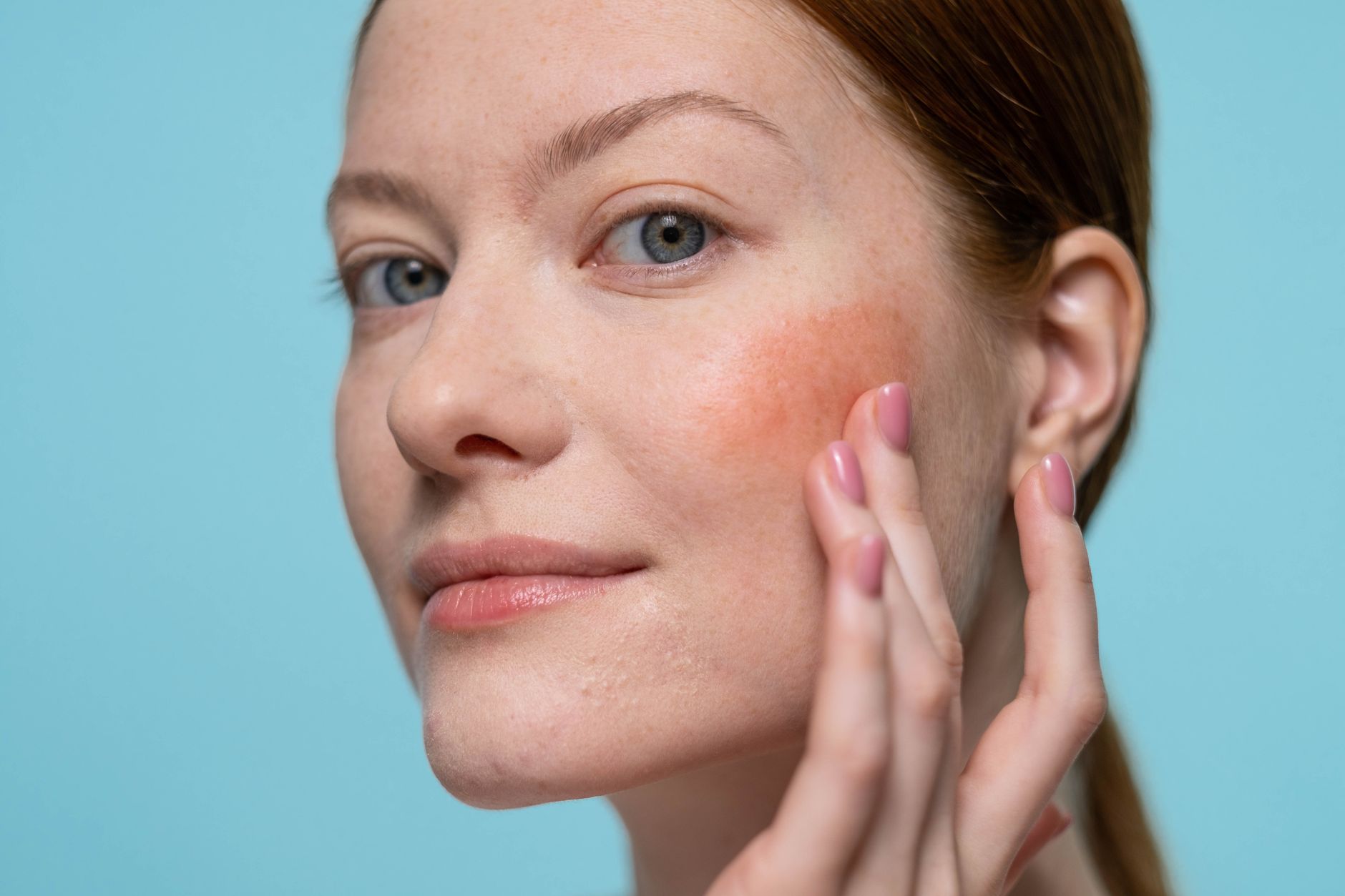
Understanding Rosacea Treatment Options
While there is currently no permanent cure for rosacea, various effective treatment plans can manage symptoms based on their severity. Medical professionals often recommend a combination of prescription medications, specialized skincare routines, and targeted procedures to control flare-ups and improve skin appearance.
For mild to moderate cases, topical and oral medications are highly effective. Oral retinoids, such as isotretinoin, help by preventing skin glands from producing excess oil. Additionally, topical treatments like tretinoin and azelaic acid work to reduce inflammation. Doctors may also prescribe oral or topical antibiotics, including metronidazole, sulfacetamide, tetracycline, erythromycin, and minocycline, to target discoloration and swelling.
Important Medication Precautions
Certain treatments require careful consideration due to potential side effects. For instance, isotretinoin carries significant risks, including developmental issues for a fetus and other pregnancy complications. It is crucial to consult with a healthcare provider regarding necessary precautions and alternative options if there is any possibility of pregnancy.
Advanced Medical Procedures for Rosacea
For more severe symptoms, dermatological procedures can offer significant relief. Dermabrasion is used to gently remove the outer layers of the skin, promoting healthier cell regeneration. Laser resurfacing is another popular option that helps reduce the appearance of enlarged blood vessels. In some cases, cryosurgery may be utilized to freeze and safely remove unwanted tissue.
Immediate Care During Rosacea Flare-Ups
When experiencing an active flare-up, immediate self-care can soothe the skin. Washing the affected area with cool water helps remove surface irritants. It is important to gently pat the skin dry with a soft towel rather than rubbing it. Applying a cold compress several times a day can minimize flushing, while frequent moisturizing protects the skin barrier from drying and cracking.
Leave a Reply