Managing complex therapeutic regimens is a reality for millions of individuals living with chronic health conditions. When a person takes five or more maintenance prescriptions simultaneously—a clinical state known as polypharmacy—the task of organizing schedules, understanding indications, and monitoring for side effects can quickly become overwhelming. From morning blood pressure tablets and midday cholesterol agents to evening glycemic control prescriptions, keeping track of varying dosages and specific dietary instructions requires constant vigilance. Without a structured management plan, the risk of therapeutic errors increases dramatically, compromising treatment efficacy and jeopardizing long-term health outcomes.
The challenge expands when care is fragmented across multiple specialized medical providers. A cardiologist, an endocrinologist, and a primary care physician may each prescribe necessary medications without full visibility into the patient’s complete drug profile. This compartmentalization increases the likelihood of unintended drug-drug interactions, redundant therapies, and conflicting dosage schedules. Furthermore, age-related physiological changes can alter how the body absorbs, metabolizes, and excretes pharmaceuticals, making careful oversight even more critical for older adults.
Fortunately, regaining control over a complex medication schedule does not require clinical expertise. By implementing evidence-based organizational tools, utilizing modern technology, and fostering strong communication with pharmacists and physicians, patients and caregivers can transform a chaotic daily routine into a streamlined, safe, and sustainable regimen. This guide outlines the biological mechanisms behind drug interactions, key safety risk factors, and practical steps to ensure you manage your prescriptions with confidence and safety.
Understanding Polypharmacy and How Drug Interactions Occur
To effectively manage multiple prescriptions, it is essential to understand the biological mechanisms that make drug combinations risky. Pharmaceutically, drugs interact with the body through two main pathways: pharmacokinetic and pharmacodynamic processes. Pharmacokinetics refers to how the body absorbs, distributes, metabolizes, and excretes a substance. When multiple medications are introduced, they often compete for the same metabolic pathways in the liver, particularly the cytochrome P450 enzyme family. If one drug inhibits or accelerates an enzyme responsible for clearing another drug, concentrations of that second medication can either surge to toxic levels or plummet to clinically ineffective amounts.
Pharmacodynamics, on the other hand, describes the biological effect the drug has on the body. When two separate medications exert additive or opposing physiological effects, severe complications can arise even if metabolic pathways remain unaffected. For example, combining two separate medications that both lower blood pressure or induce sedation can result in extreme hypotension, profound drowsiness, or balance impairment. As people age, natural declines in liver enzyme activity, reduced renal clearance, and changes in body composition further slow drug clearance. Consequently, active drug compounds remain in circulation longer, exacerbating pharmacodynamic and pharmacokinetic interactions.
Key Risk Factors, Adverse Effects, and Clinical Evidence
Identifying the vulnerabilities and subtle warning signs associated with multi-drug therapy is essential for preventing emergency hospitalizations and irreversible complications. Research shows that patients taking five or more daily prescriptions face a significantly higher probability of experiencing an adverse drug event. The primary risk factors and warning symptoms associated with polypharmacy include:
- Multiple Specialist Prescribers: Receiving prescriptions from several healthcare providers who lack access to a unified electronic health record escalates the risk of duplicate therapy or dangerous interactions.
- Age-Related Physiological Vulnerabilities: Decreased kidney function, altered liver metabolism, and reduced body water in older adults increase sensitivity to drug toxicity.
- Over-the-Counter Supplements: Integrating non-prescription analgesics, herbal extracts, or dietary vitamins without guidance can unknowingly deactivate or amplify prescription drugs.
- Frequent Treatment Revisions: Rapid changes in dosage, drug substitutions, or recent hospital discharges frequently lead to confusion and inadvertent double-dosing.
- Nonspecific Side Effect Onset: Experiencing persistent dry mouth, cognitive clouding, chronic drowsiness, dizziness upon standing, or gastrointestinal distress.
Clinical literature emphasizes that unrecognized adverse drug reactions are often misdiagnosed as new, separate medical conditions. This phenomenon, known as a prescribing cascade, occurs when a clinician prescribes a new medication to treat the side effect of an existing one. Over time, this creates an expanding web of unnecessary prescriptions. Recognizing early symptoms like unexplained lethargy, altered mood, or digestive disturbance allows patients and caregivers to intervene early, prompting a comprehensive clinical review before additional, unneeded drugs are added to the regimen.
Actionable Strategies: Mastering Your Master List and Pharmacy Network
The foundation of safe medication management is the creation and maintenance of a comprehensive master medication list. This document must serve as an absolute single source of truth for every substance entering your body. Write down or digitally record the exact brand and generic names of each prescription, the precise milligram dosage, the prescribed frequency, time of day, and specific administration requirements, such as taking with food or avoiding dairy products. Crucially, this list must also include all over-the-counter pain relievers, allergy pills, vitamins, and herbal supplements. Keep a physical copy in your wallet or purse at all times and present it at every medical appointment.
Beyond maintaining a detailed record, consolidating all your prescription needs into a single community pharmacy is one of the most effective safety interventions available. When all prescriptions are filled at one facility, the pharmacy system automatically scans every new entry against your complete profile, flagging potentially severe drug-drug interactions, duplicate therapies, or improper dosages before a bottle is dispensed. Furthermore, establish a direct relationship with your pharmacist. Take advantage of medication synchronization programs, which align refill schedules so that all chronic maintenance prescriptions are filled on the exact same day each month, minimizing pharmacy visits and preventing unexpected gaps in treatment.
Actionable Strategies: Utilizing Technology, Smart Storage, and Routine Building
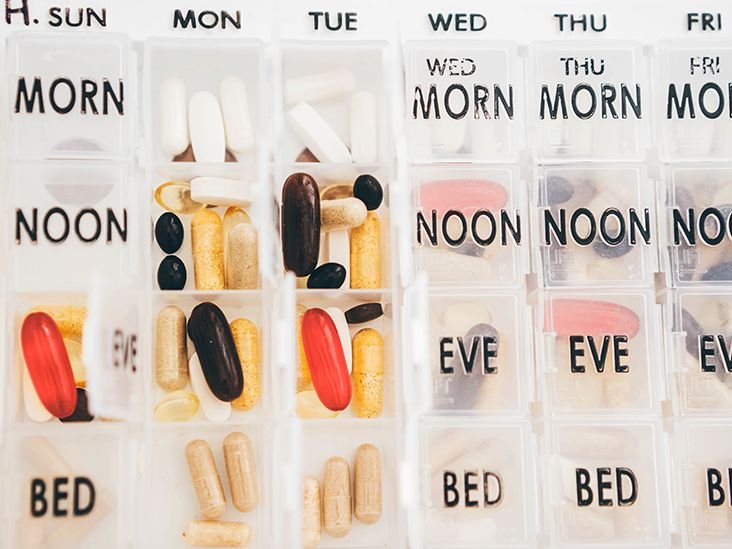
Translating a complex dosage schedule into an executable daily routine requires physical and digital structure. Traditional analog pill organizers, such as multi-compartment boxes segmented by morning, noon, evening, and bedtime, provide immediate visual verification of whether a dose was taken. For patients handling high-complexity regimens, many modern pharmacies now offer pre-filled, customized multi-dose pouch packaging. These blister packs or sealed plastic rolls organize your pills by exact date and time, eliminating the tedious and error-prone process of sorting pills manually every week.
For tech-savvy individuals, modern digital tools offer sophisticated layers of protection. Smartphone applications designed for medication adherence provide customizable push notifications, log dosage history, and send automated alerts to family members or caregivers if a dose is skipped. Handheld timers and smart pill bottle caps feature electronic timers that display the exact elapsed time since the container was last opened, effectively preventing accidental double-dosing. Integrating these tools into established daily routines—a psychological strategy known as habit stacking—ensures that taking your medication becomes as automatic as brushing your teeth or brewing morning coffee.
Frequently Asked Questions
What should I do if I accidentally miss a dose of one of my prescriptions?
Handling a missed dose depends entirely on the specific pharmacological properties of the medication involved. As a general rule, if you remember within a short window of your scheduled time, take the missed dose as soon as possible. However, if it is almost time for your next scheduled dose, skip the missed dose entirely and resume your standard timing. Never double up on doses or take extra medication to compensate for a missed one, as this significantly escalates the risk of toxicity and acute side effects. Consult the package insert or call your pharmacist immediately for specific guidance on high-risk medications like blood thinners, insulin, or anti-seizure drugs.
Can over-the-counter supplements and herbal remedies interact with my prescriptions?
Yes, non-prescription supplements, dietary vitamins, and herbal remedies can cause profound and dangerous interactions with prescription drugs. Herbal products like St. Johns Wort, ginkgo biloba, and high-dose vitamin K can alter liver metabolism or interfere with blood clotting mechanisms. For example, St. Johns Wort dramatically accelerates the breakdown of cardiac medications, oral contraceptives, and antidepressants, rendering them ineffective. Always inform your physician and pharmacist about every natural remedy or dietary supplement you take before introducing it into your daily health routine.
How often should I request a formal medication review from my healthcare provider?
You should request a formal, top-to-bottom medication review—often called a comprehensive medication management review—at least once a year. Additionally, an immediate review should be scheduled whenever there is a major change in your health status, following a hospital discharge, after a new diagnosis, or when a new physician joins your care team. During this review, your doctor or clinical pharmacist will evaluate whether each drug remains clinically necessary, check for potential interactions, assess appropriate dosages based on current organ function, and discuss opportunities for safe deprescribing to eliminate unnecessary prescriptions.
Final Takeaway
Managing multiple prescriptions requires active participation, structured organization, and open dialogue between you, your physicians, and your pharmacist. While polypharmacy presents clear challenges—ranging from confusing dosage schedules to heightened risks of drug interactions—these hurdles are fully manageable with the right systems in place. Maintaining an up-to-date medication list, centralizing your refills at a single trusted pharmacy, and harnessing the power of mechanical organizers or mobile adherence tools will safeguard your daily health routine.
Never hesitate to advocate for yourself or your loved ones by asking questions about side effects, therapeutic goals, or the necessity of every capsule in your cabinet. By taking a proactive, informed approach to prescription management, you can minimize adverse risks, maximize treatment efficacy, and maintain confidence in your ongoing healthcare journey.
Leave a Reply