Navigating modern medical care frequently requires managing multiple health conditions simultaneously. For millions of adults, particularly older individuals and those managing chronic illnesses such as hypertension, type 2 diabetes, heart disease, or arthritis, daily routine involves balancing a complex array of prescription bottles, varying dosing schedules, and specific administration instructions. This scenario—known in clinical settings as polypharmacy—has become increasingly common as medical science advances and life expectancy expands. However, managing numerous daily medications presents a delicate and challenging balancing act for patients, family members, and caregivers alike.
While modern pharmacotherapy offers extraordinary benefits, including prolonged life expectancy and improved symptom control, managing multiple prescriptions demands rigorous organization and ongoing vigilance. Taking five, eight, or more medications concurrently creates an exponential increase in potential complications. Dosing errors, accidental double-dosing, missed doses, adverse drug reactions, and dangerous drug-drug interactions represent significant health risks. Unintended medication mistakes account for hundreds of thousands of emergency department visits each year, many of which are entirely preventable through structured management strategies.
Fortunately, maintaining absolute control over a complex prescription regimen does not require medical expertise. By establishing methodical daily habits, adopting modern digital tools, building a collaborative relationship with a single community pharmacy, and keeping an exhaustive medication list, you can transform a confusing routine into a safe, effortless habit. This comprehensive guide explores the physiological mechanics of drug interactions, highlights the warning signs of adverse events, and provides actionable, expert-approved strategies to streamline your daily prescription routine.
Understanding Polypharmacy and Medication Interactions
To effectively manage multiple prescriptions, it is essential to understand how drugs behave within the human body. Pharmacokinetics—the study of how the body absorbs, distributes, metabolizes, and excretes medications—plays a pivotal role in safety. When a single medication enters the digestive tract, it is absorbed into the bloodstream and eventually processed by the liver and eliminated by the kidneys. When multiple pharmaceuticals are introduced simultaneously, these biological pathway systems can become congested or compromised.
The human liver uses specialized proteins, known as cytochrome P450 (CYP450) enzymes, to break down most medications. Certain drugs act as enzyme inhibitors, slowing down the metabolism of other medications and causing their concentrations in the blood to rise to potentially toxic levels. Conversely, other drugs act as enzyme inducers, speeding up drug breakdown and rendering secondary therapies ineffective. Additionally, age-related changes in organ function can slow down renal clearance, meaning drugs remain active in the body significantly longer than anticipated, exacerbating cumulative effects.
Another common clinical hazard associated with managing multiple prescriptions is known as a prescribing cascade. A prescribing cascade occurs when an unrecognized adverse drug reaction from one medication is misdiagnosed as a brand-new medical condition. Consequently, a physician prescribes a second drug to treat the symptom caused by the first drug, exposing the patient to additional side effects without addressing the underlying root cause. Recognizing how medications interact dynamically empowers patients to ask informed questions and prevent unnecessary prescription additions.
Recognizing Risks, Side Effects, and the Benefits of Structured Management
Failing to manage a multi-drug regimen systematically exposes individuals to acute and chronic health risks. Recognizing the subtle physical warning signs of adverse drug interactions is critical for early intervention. Patients taking multiple prescriptions should remain vigilant for the following signs and symptoms:
- Unexplained dizziness or lightheadedness: Often caused by additive hypotensive effects when multiple blood pressure or cardiac medications interact, drastically increasing fall risks.
- Gastrointestinal distress: Persistent nausea, severe constipation, abdominal pain, or unexplained diarrhea resulting from gastric irritation or altered gut motility.
- Cognitive changes and sedation: Excessive sleepiness, sudden brain fog, confusion, or memory deficits, frequently triggered by combinations of sedatives, antihistamines, or pain medications.
- Unusual bleeding or easy bruising: A classic sign of adverse interactions between blood thinners (anticoagulants) and over-the-counter anti-inflammatory drugs like ibuprofen.
- Physiological volatility: Unexplained fluctuations in vital signs, such as sudden blood pressure spikes, erratic heart rates, or unstable blood glucose readings.
- Signs of organ strain: Decreased urine output, fluid retention causing leg swelling, or jaundice, indicating potential renal or hepatic stress.
Conversely, adopting a structured medication management plan offers profound therapeutic and practical benefits. Consistently taking prescribed therapies at the correct times and dosages ensures optimal therapeutic blood levels, maximizing the drug's ability to control underlying conditions. Furthermore, organized management eliminates the stress and anxiety associated with chaotic pill schedules, drastically reduces emergency department visits, prevents costly hospital readmissions, and eliminates financial waste caused by redundant or misplaced prescriptions.
Strategic Organization: Mastering Your Daily Medication Routine
Establishing an infallible system begins with concrete, physical organization techniques that reduce human error. The cornerstone of prescription safety is the creation and maintenance of a comprehensive Master Medication List. This document should exist in both paper and digital formats and must be updated immediately whenever a prescription changes. The list must contain the brand name and generic name of each drug, the exact dosage strength, the administration schedule, precise instructions (such as whether to take the dose with food or on an empty stomach), the name of the prescribing physician, and the specific condition being treated. Keeping a copy in your wallet or purse ensures emergency medical personnel have instant access to vital information should an unexpected health event occur.
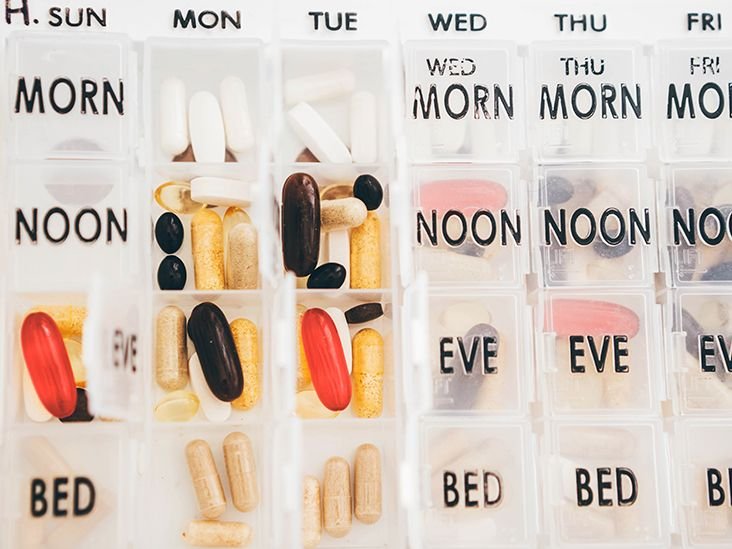
Physical sorting devices remain one of the most reliable methods to prevent missed or repeated doses. Multi-compartment pill organizers, available in 7-day or 14-day configurations with separate sections for morning, noon, evening, and bedtime, allow you to visualize your entire week at a glance. Setting aside a dedicated, distraction-free time once a week to fill your organizer minimizes prep errors. For individuals with complex dosing schedules, many modern pharmacies now offer pre-sorted blister packaging—often called med-packs or compliance packaging—where all pills for a specific time and day are sealed in individual, easy-to-open pouches by automated pharmacy systems.
Proper storage is equally critical to preserving drug potency and safety. Medications should generally be stored in a cool, dry place away from direct sunlight and moisture. Despite common practice, the bathroom medicine cabinet is often the worst location for prescription storage due to humidity and temperature fluctuations caused by showers. Keep medications in a high, secure cabinet away from children and pets, and always retain original prescription bottles if you are not actively using a compliance organizer, as these containers provide essential lot numbers, expiration dates, and pharmacy contact details.
Leveraging Technology and Pharmacy Partnerships for Safety
Technology offers advanced tools designed to make medication compliance effortless. Mobile applications specifically tailored for medication management, such as Medisafe or EveryDose, provide customizable alarms, visual pill identifiers, and automatic notifications sent to designated family members or caregivers if a dose is not logged within a specific timeframe. For individuals managing age-related cognitive decline or memory impairment, smart automatic pill dispensers offer locked compartments that automatically rotate and unlock only at the scheduled time, sounding an audible alarm and flashing a visual cue until the medication is retrieved.
Simpler technological solutions can be equally effective. Smart pill bottle caps feature built-in digital timers that display the exact hours and minutes elapsed since the bottle was last opened, providing an instant visual check to prevent accidental double-dosing. Voice-activated virtual assistants and smartwatch recurring alarms can also be programmed to serve as gentle daily reminders. Integrating technology into your daily routine removes the cognitive burden of remembering complex schedules reliance solely on memory.
Perhaps the single most effective safety measure you can implement is consolidating all your prescription needs within a single pharmacy. When you use one pharmacy, the central computer system maintains your complete, unified drug profile. Every time a new prescription is entered into the system, specialized software automatically screens for dangerous drug interactions, duplicate therapies, improper dosages, and known allergy conflicts across your entire medication history. Moreover, single-pharmacy consolidation allows you to participate in Medication Synchronization (Med Sync) programs, enabling you to align all your monthly prescription refills so that they are ready for pickup or delivery on a single, convenient day each month.
Frequently Asked Questions About Managing Multiple Medications
What should I do if I realize I have missed a dose of one of my medications?
If you realize you missed a dose, the general rule of thumb is to take it as soon as you remember. However, if it is almost time for your next scheduled dose, skip the missed dose entirely and resume your standard timing. Never take two doses at the same time or take extra medication to make up for a missed dose, as this significantly increases the risk of toxicity and acute side effects. Always check the specific patient information sheet provided with your prescription, or call your pharmacist directly for precise instructions tailored to that specific drug.
Are over-the-counter supplements and vitamins safe to take alongside prescription drugs?
Not necessarily. Over-the-counter dietary supplements, vitamins, and herbal remedies contain active biological compounds that can interact powerfully with prescription drugs. For example, St. John's Wort can accelerate the breakdown of dozens of prescription drugs in the liver, rendering them ineffective. Calcium and iron supplements can bind to certain antibiotics, preventing their absorption entirely. High doses of Vitamin K can counteract the therapeutic effects of blood thinners like warfarin. Always inform your physician and pharmacist about every non-prescription product, herbal tea, and vitamin you take regularly.
How can I safely discuss reducing or stopping some of my medications with my doctor?
Schedule a dedicated appointment with your primary care provider specifically for a formal Medication Review or deprescribing consultation. Bring all your current medication bottles, including supplements, in a bag to the appointment. Ask your doctor to review the ongoing necessity of each drug, inquiring whether certain conditions have resolved or if non-pharmacological interventions could allow for dose reductions. Never stop taking a prescribed medication abruptly on your own, as sudden discontinuation of drugs like beta-blockers, antidepressants, or corticosteroids can cause severe rebound symptoms or life-threatening withdrawal complications.
Final Takeaways on Navigating Complex Prescriptions
Managing multiple prescription medications is a continuous process that demands attention, organization, and open communication with your healthcare team. While polypharmacy presents clear risks, structured habits turn a chaotic routine into an easily managed daily habit. By maintaining an accurate master medication list, utilizing modern organizational devices or smartphone technology, and relying on a single trusted pharmacy, you create a robust defense system against adverse drug interactions and accidental dosing errors.
Remember that you are the central manager of your personal health journey, but you do not have to navigate it alone. Pharmacists, primary care physicians, specialists, and home caregivers are invaluable partners dedicated to keeping your therapeutic routine safe and effective. Regularly evaluating your prescription regimen through formal clinical reviews ensures that every pill you take actively contributes to your overall health, vital longevity, and peace of mind.
Leave a Reply