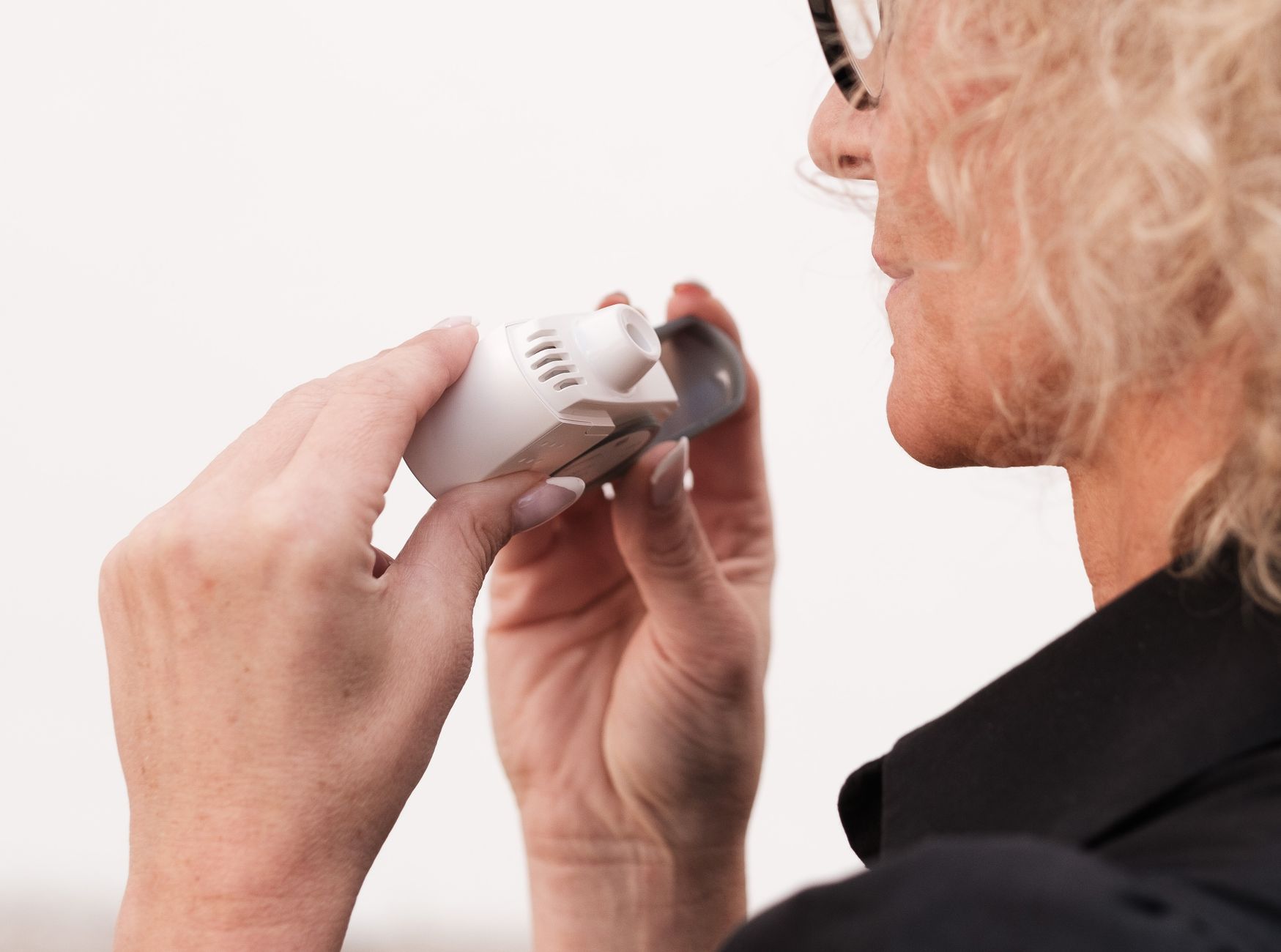
The transition into menopause is a significant biological milestone that typically occurs between the ages of 40 and 65. Marked by the cessation of menstrual periods for twelve consecutive months, this phase brings about a variety of physical and psychological changes. Understanding these symptoms and learning how to manage them effectively can greatly improve quality of life during this transition.
Understanding Vasomotor Symptoms and Hot Flashes
Vasomotor symptoms, commonly known as hot flashes and night sweats, are among the most frequent complaints during menopause. These sudden sensations of intense heat, primarily affecting the face, neck, and chest, can cause significant discomfort and disrupt daily activities. Managing these symptoms often involves a combination of lifestyle adjustments, such as dressing in layers, keeping environments cool, and exploring medical or natural remedies tailored to individual needs.
Physical and Skin Changes During Menopause
Hormonal fluctuations during menopause can affect various parts of the body, including the skin, hair, and oral cavity. Many individuals experience skin dryness, thinning, and a reduction in elasticity, alongside hair thinning or loss. Additionally, lesser-known symptoms such as changes in body odor and oral health issues, including dry mouth or gum discomfort, can arise. Addressing these changes requires targeted skincare routines, proper hydration, and consistent dental care.
Vaginal Health and Sleep Disturbances
A decline in estrogen levels frequently leads to changes in vaginal health, resulting in dryness, irritation, or discomfort during intimacy. Utilizing high-quality lubricants and moisturizers can alleviate these symptoms. Furthermore, sleep disturbances, including insomnia and night sweats, are highly prevalent. Establishing a consistent sleep hygiene routine and consulting healthcare professionals for appropriate therapies can help restore restful sleep.
Managing Comorbidities and Overall Well-being
Menopause does not occur in a vacuum; it can interact with existing health conditions such as type 2 diabetes, rheumatoid arthritis, and digestive issues like constipation or nausea. Hormonal shifts can sometimes exacerbate these conditions, making comprehensive health management crucial. A balanced diet, regular physical activity, and close collaboration with medical providers ensure that all aspects of health are addressed during this transitional phase.
Leave a Reply