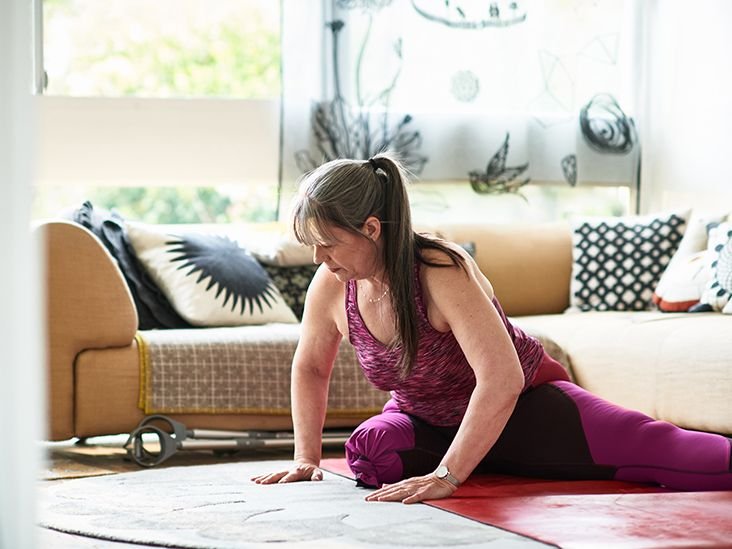
Age is often framed as an inevitable decline in physical capacity, but modern exercise science paints a radically different picture. While the human body undergoes profound structural, hormonal, and metabolic shifts across the decades, physical activity remains the single most potent intervention available for preserving autonomy, cognitive function, and metabolic vitality. The fundamental objective of fitness in midlife and beyond shifts from purely aesthetic goals or extreme athletic performance toward functional longevity—building a resilient physiology that moves without pain, resists systemic frailty, and supports daily independence.
Navigating movement as the years accumulate requires a tactical evolution in how we approach physical conditioning. Biological shifts, including the gradual loss of skeletal muscle mass, alterations in collagen elasticity within tendons and ligaments, reduced bone mineral density, and hormonal fluctuations such as those accompanying menopause, demand a smarter, highly individualized methodology. Rather than viewing physical aging as a signal to retreat from exercise, it should be recognized as a mandate to refine one’s training—prioritizing movement quality, structural balance, neuromuscular control, and strategic recovery.
Adopting an age-adapted exercise routine does not mean surrendering intensity or abandoning ambitious fitness milestones. On the contrary, it involves replacing arbitrary physical strain with targeted, evidence-based stimulation. By integrating low-impact progressive resistance, functional mobility, cardiovascular conditioning, and proprioceptive balance protocols, older adults can effectively manage chronic conditions like osteoarthritis, mitigate bone loss, and maintain high energy levels. Whether you are returning to exercise after an extended hiatus or adjusting a lifelong athletic habit, learning to work in synergy with your evolving body is the key to lasting vitality.
Understanding Physiological Aging and Exercise Adaptation
To construct an effective routine later in life, it is crucial to understand the biological mechanisms that change over time. Primary among these is sarcopenia, the progressive, age-related loss of skeletal muscle mass and functional strength. Beginning as early as the fourth decade of life, humans lose approximately 3 to 8 percent of their muscle mass per decade, a rate that accelerates significantly after age 60. This decay primarily affects fast-twitch muscle fibers—the motor units responsible for explosive power, quick recovery from trips, and athletic agility. Concurrently, connective tissues undergo cross-linking of collagen fibers, rendering tendons and ligaments stiffer and more susceptible to strain if subjected to sudden, unconditioned loads.
Alongside muscular changes, the skeletal system experiences continuous remodeling driven by cellular signals. Osteoclasts (cells that break down bone) can begin to outpace osteoblasts (cells that build bone), particularly when circulating levels of anabolic hormones like estrogen and testosterone decline. In women, the onset of menopause drastically accelerates bone resorption due to diminished ovarian estrogen production, raising the risk of osteopenia and osteoporosis. However, bone tissue is dynamic and piezo-electric; it responds directly to mechanical strain. When targeted tensile stress and axial loading are applied through resistance and weight-bearing exercises, osteoblasts are stimulated to deposit mineral matrix, thereby reinforcing bone structural integrity.
Cardiorespiratory capacity also undergoes natural modifications. Maximal heart rate declines modestly with age due to decreased sensitivity to beta-adrenergic stimulation, while arterial walls gradually stiffen, increasing systemic vascular resistance. Fortunately, the cardiovascular system retains remarkable neurohumoral plasticity. Engaging in regular aerobic exercise improves endothelial function, enhances peripheral capillary density, and maintains mitochondrial efficiency within skeletal muscle cells. By adapting your training parameters—adjusting volume, load velocity, and exercise selection—you can stimulate these adaptive pathways while safeguarding vulnerable joints and periarticular structures from excessive wear and tear.
Evidence-Based Benefits of Age-Adapted Movement
- Mitigation of Sarcopenia: Progressive resistance training restores motor unit recruitment, stimulates muscle protein synthesis, and preserves functional strength required for activities of daily living.
- Enhancement of Bone Mineral Density: Dynamic, weight-bearing mechanical strain promotes bone remodeling, reducing the incidence of fragility fractures in the spine, hips, and wrists.
- Joint Mechanics and Cartilage Health: Controlled movement promotes the production and circulation of synovial fluid, delivering nutrients to avascular cartilage while reducing joint stiffness associated with osteoarthritis.
- Hormonal and Metabolic Modulation: Exercise enhances insulin sensitivity, optimizes glucose disposal, and aids in regulating circulating hormone levels, significantly easing menopausal vasomotor symptoms.
- Proprioception and Fall Prevention: Targeted balance work challenges the vestibular, visual, and somatosensory systems, sharpening neuromuscular reflexes and drastically lowering fall risks.
- Cardiovascular and Endothelial Health: Aerobic conditioning preserves arterial compliance, lowers resting blood pressure, and boosts cardiorespiratory fitness (VO2 max), a key predictor of longevity.
- Neuroplasticity and Cognitive Defense: Physical exertion elevates circulating levels of brain-derived neurotrophic factor (BDNF), encouraging neurogenesis and protecting executive function against age-related cognitive decline.
The clinical and epidemiological evidence supporting physical activity in aging populations is overwhelming. Regular movement acts as a multi-system biological modulator, systemic inflammation suppressor, and cellular repair enhancer. When exercise parameters are tailored to account for individual structural capacities, the body retains an extraordinary capacity to adapt, repair, and thrive well into advanced age.
Tailoring Workouts for Specific Age-Related Conditions
Adapting your workout routine requires specific strategies tailored to common age-related health changes. Understanding how to modify movement patterns for menopause, osteoarthritis, and osteoporosis allows you to maintain consistent training without risking injury or exacerbating symptoms.
Navigating Menopause and Hormonal Shifts: During menopause, declining estrogen levels can lead to Vasomotor symptoms (hot flashes and night sweats), alterations in body composition, sleep disturbances, and altered joint laxity. Exercise plays a dual therapeutic role here. Performing 30 minutes of moderate-intensity aerobic exercise daily helps regulate body temperature controls and boosts circulating endorphins, mitigating mood fluctuations and sleep disruption. To counteract metabolic slowing and lean tissue loss, incorporate progressive strength training using light-to-moderate resistance with higher repetition ranges (12 to 15 repetitions per set). Maintain a cool training environment, keep hydration nearby, and wear breathable, moisture-wicking apparel. If joint friction or pelvic discomfort creates barriers during exercise, consult a healthcare provider regarding localized therapies or pelvic floor physical therapy to ensure comfortable movement.
Exercising Safely with Osteoarthritis: Osteoarthritis involves the degradation of articular cartilage, often accompanied by localized inflammation and stiffness. The golden rule for exercising with arthritic joints is monitoring discomfort using a standard 10-point pain scale. Discomfort or mild soreness during exercise should not exceed a 5 out of 10, and it should return to baseline within 24 hours post-workout. If joint swelling, sharp pain, or increased warmth appears, scale back resistance or repetition volume in subsequent sessions. Utilize high-payoff, low-impact exercise variations: perform sit-to-stand movements from a higher chair, perform standing counter pushups instead of floor pushups, or utilize aquatic therapy. Water buoyancy reduces axial joint loading while providing uniform multidirectional hydro-static resistance, allowing you to strengthen surrounding musculature without irritating inflamed joint capsules.
Preserving Bone Health with Osteoporosis: For individuals diagnosed with osteopenia or osteoporosis, exercise prescription must prioritize progressive bone loading while minimizing high-impact shear forces and spinal hyperflexion. Bone grows in response to mechanical strain, making weight-bearing activities like brisk walking, modified step-ups, shallow squats, and low-impact dance variations highly beneficial. However, movements involving explosive jumping, deep spinal forward bending (such as classic sit-ups or toe touches), and loaded spinal rotation should be strictly modified or avoided to reduce risk to the vertebral bodies. Emphasize spinal extension exercises, seated rows, chest openers, and hip abductor strengthening to reinforce the posterior muscular chain, enhance posture, and stabilize the center of gravity.
A Step-by-Step Blueprint for Building a Sustainable Routine
Creating a comprehensive, long-term fitness routine involves balancing several critical modalities across your weekly schedule. The objective is to fulfill global health guidelines while allowing sufficient recovery time for tissue adaptation.
Step 1: Establishing the Foundation (Cardiovascular Endurance). Aim to accumulate at least 150 minutes of moderate-intensity aerobic physical activity per week, broken down into manageable 20- to 30-minute daily sessions. Moderate intensity means you can speak in full sentences but would struggle to sing. Excellent low-impact options include brisk walking, cycling on a recumbent or stationary bike, using an elliptical trainer, or swimming. If 30 continuous minutes feels overwhelming, break your movement into three 10-minute bouts throughout the day; short bouts deliver cumulative metabolic and cardiovascular benefits.
Step 2: Integrating Progressive Resistance (Muscular Strength). Dedicate two to three non-consecutive days per week to full-body strength training. Structure your workouts around fundamental movement patterns: pushing, pulling, squatting or hinging, and carrying. Begin with bodyweight resistance or lightweight resistance bands before progressing to dumbells or cable machines. Focus on controlled cadence—taking two seconds to lift and three to four seconds to lower the weight—which maximizes muscular time-under-tension while minimizing joint impact forces. Prioritize core stability by performing static holds like modified planks or bird-dogs rather than dynamic trunk flexing.
Step 3: Sharpening Proprioception and Mobility (Balance and Flexibility). Dedicate 5 to 10 minutes at the end of every training session to balance and dynamic flexibility work. Balance exercises challenge your brain’s internal map of body position in space. Practice tandem standing (one foot directly in front of the other), single-leg balance holds near a sturdy counter or wall for support, or controlled heel-to-toe walking. For flexibility, focus on static stretches held for 20 to 30 seconds targeting tight muscle groups such as the calves, hamstrings, hip flexors, and pectorals, always moving within a comfortable, pain-free range of motion.
Frequently Asked Questions
How do I differentiate between normal exercise discomfort and joint damage?
Normal exercise discomfort typically presents as muscle fatigue, a mild burning sensation during exertion, or localized muscle soreness that develops 24 to 48 hours post-workout (delayed onset muscle soreness, or DOMS). This soreness feels diffuse and dissipates as muscles warm up. Conversely, joint damage or structural distress presents as sharp, stabbing, or localized pain directly inside a joint, persistent swelling, redness, joint locking, or pain that rates higher than a 5 out of 10. If you experience pain that causes you to limp, alters your natural movement mechanics, or persists for days without improvement, cease that specific exercise immediately and consult a physical therapist or medical specialist.
Is it safe to begin strength training after age 65 if I have never lifted weights before?
Absolute safety can be maintained at any age when strength training is introduced progressively and with proper movement technique. Muscle tissue retains its capacity to adapt to resistance stimuli regardless of chronological age. Beginners should start with foundational bodyweight movements, light resistance bands, or guided weight machines that offer fixed movement paths. Working initially under the supervision of a certified personal trainer or physical therapist specializing in older adult populations is highly recommended to establish correct mechanics, establish appropriate baselines, and prevent compensation patterns.
What are the best low-impact cardiovascular options for individuals with severe osteoporosis?
For individuals with advanced bone density loss, the ideal cardiovascular exercises provide gentle weight-bearing stimulus without unpredictable foot strikes or spinal compression forces. Brisk walking on flat, predictable surfaces or indoor tracks is an outstanding option. Low-impact elliptical training, recumbent stepping machines (such as NuStep), and stair climbing with handrail support offer continuous cardiorespiratory challenge while protecting the spine and lower extremity joints from high-impact forces. Swimming and water aerobics are excellent for cardiovascular fitness, though they should be paired with land-based, weight-bearing activities to maximize bone mineral maintenance.
Conclusion
Adapting your fitness routine as you grow older is not an exercise in compromise; it is an intelligent re-alignment with your body’s changing requirements. By shifting the focus of your workouts from high-impact exertion toward deliberate, functional, and progressive movement, you safeguard your structural longevity while optimizing systemic health. Muscle, bone, and cardiovascular tissue maintain a continuous capacity to adapt and rebuild when given the appropriate stimulus and adequate time to recover.
Embrace consistency over intensity. Honoring your daily physiological feedback, respecting structural boundaries, and adjusting parameters for conditions like arthritis, osteoporosis, or menopausal transitions empowers you to build a resilient foundation for the years ahead. With an evidence-based, intentional approach to physical activity, age becomes merely a background variable in a lifestyle defined by strength, mobility, and enduring vitality.
Leave a Reply