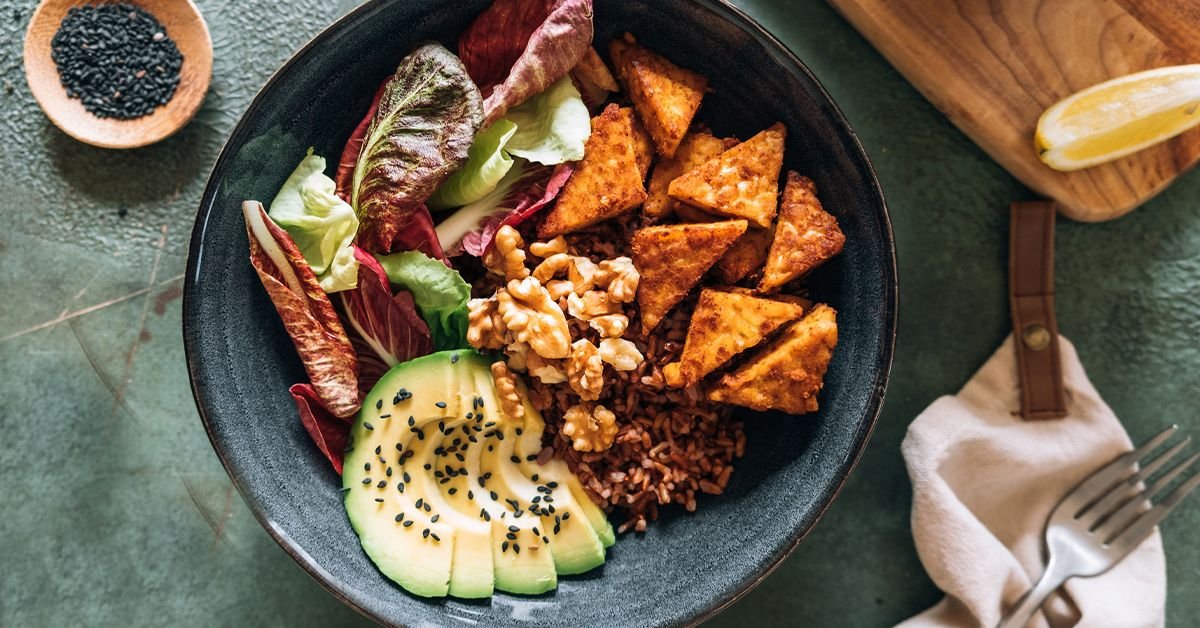
One of the most persistent misconceptions surrounding plant-based diets is the idea that achieving adequate protein intake is difficult without animal products. For decades, traditional nutritional narratives suggested that meat, dairy, and eggs were the only true complete protein sources capable of supporting muscle growth, immune function, and overall metabolic health. However, modern nutritional science paints a vastly different picture. Plant foods not only contain abundant quantities of amino acids, but they also package this essential macronutrient alongside dietary fiber, antioxidants, phytonutrients, and healthy unsaturated fats that are completely absent in animal-based protein products.
Whether you are transitioning to a full vegan lifestyle, incorporating more plant-based meals into your weekly rotation, or optimizing athletic performance on a plant-powered diet, understanding how to source and balance plant proteins is crucial. The key lies in recognizing that plant protein is not a monolith. Different botanical foods offer varying concentrations and profiles of amino acids. By diversifying your intake across legumes, whole grains, nuts, seeds, and specialized soy products, you can easily meet and even exceed your daily recommended allowances while reaping profound long-term health benefits.
Navigating the landscape of vegan protein requires a combination of practical knowledge and strategic meal planning. Far from being restrictive, a plant-focused diet opens the door to an expansive variety of delicious, nutrient-dense foods. This comprehensive guide will break down the biological mechanisms of plant protein, evaluate the most potent whole-food and minimally processed sources, unpack the scientific evidence supporting plant-based nutrition, and provide actionable strategies to ensure your body receives optimal fueling every day.
Understanding Plant Protein and Amino Acid Profiles
To understand how plant protein functions within the human body, it is essential to first break down what protein actually is. Proteins are large, complex molecules composed of smaller building blocks called amino acids. The human body utilizes 20 distinct amino acids to build tissues, synthesize enzymes, regulate hormones, and support immune responses. Out of these 20 amino acids, nine are classified as essential—meaning the human body cannot manufacture them internally, and they must be obtained through dietary sources. These nine essential amino acids are histidine, isoleucine, leucine, lysine, methionine, phenylalanine, threonine, tryptophan, and valine.
Historically, animal proteins were termed complete because a single serving typically contains all nine essential amino acids in proportions optimal for human biology. Plant proteins, on the other hand, were often labeled incomplete because certain plant foods may be lower in one or two specific essential amino acids. For instance, grains are generally lower in lysine but rich in methionine, whereas legumes are rich in lysine but lower in methionine. However, contemporary dietetic authorities confirm that you do not need to consume all nine essential amino acids in a single sitting. As long as you consume a diverse array of plant foods throughout a 24-hour period, your liver maintains an amino acid pool that draws upon these individual building blocks to construct complete proteins as needed.
Furthermore, the physiological processing of plant protein differs from animal protein due to the structural cellular matrix of plants. Plant proteins are encased in dietary fiber and complex carbohydrate structures. While this can slightly lower the absolute digestibility coefficient compared to isolated animal proteins, it dramatically slows down digestion. This gradual breakdown prevents rapid spikes in blood sugar, sustains long-lasting satiety, and provides a steady, continuous release of amino acids into the bloodstream, supporting systemic recovery without triggering high systemic inflammatory markers.
Evidence-Based Health Benefits of Plant Protein
Transitioning a significant portion of your protein intake from animal sources to plant sources yields widespread physiological benefits, supported by decades of epidemiological and clinical research.
- Cardiovascular Longevity: Replacing animal fats and proteins with plant proteins consistently demonstrates a marked reduction in low-density lipoprotein cholesterol, total cholesterol, and systemic blood pressure. Plant protein sources contain zero dietary cholesterol and are inherently low in saturated fats, drastically cutting the risk of coronary artery disease and ischemic heart disease.
- Enhanced Microbiome Diversity: Unlike animal protein, plant protein arrives pre-packaged with soluble and insoluble dietary fiber, as well as prebiotic oligosaccharides. These compounds feed beneficial gut microflora, leading to the production of short-chain fatty acids like butyrate, which reduce gut inflammation, fortify the intestinal barrier, and enhance overall metabolic immunity.
- Improved Insulin Sensitivity: Plant-based proteins, particularly those from legumes and whole grains, have a low glycemic impact. High plant-protein consumption is associated with decreased risk of type 2 diabetes due to improved insulin receptor sensitivity and better postprandial glucose control.
- Reduced Systemic Inflammation: Animal proteins, particularly red and processed meats, contain compounds like heme iron and advanced glycation end-products that can trigger systemic inflammatory pathways. Plant proteins are rich in polyphenols, flavonoids, and antioxidants that actively neutralize oxidative stress and lower C-reactive protein levels.
- Renal and Kidney Protection: Plant protein exerts less intraglomerular pressure on the kidneys compared to animal protein. Individuals consuming higher ratios of plant protein exhibit lower rates of hyperfiltration, reducing the long-term risk of chronic kidney disease and kidney stone formation.
The cumulative effect of these physiological advantages extends far beyond mere macronutrient intake. By choosing plant-based protein sources, individuals actively mitigate major metabolic risk factors while supplying their cells with micronutrients, minerals, and protective plant compounds that foster cellular repair and metabolic efficiency.
A Comprehensive Spectrum of High-Protein Plant Foods
To construct a highly nutritious and balanced diet, it is helpful to categorize plant proteins by their culinary and nutritional profiles. Below is an exhaustive breakdown of the primary vegan protein powerhouses:
1. Legumes (Beans, Lentils, and Peas): Legumes form the cornerstone of plant-based diets worldwide. They are rich in lysine, folate, potassium, and magnesium. Cooked lentils provide roughly 10.5 grams of protein per half-cup serving, while chickpeas offer 9 grams. Kidney beans contain 10 grams, black beans deliver 8.5 grams, and pinto beans supply 8 grams per half-cup serving.
2. Soy Products and Seitan: Soy is one of the few plant foods that naturally contains an amino acid profile nearly identical to animal protein. Tempeh, made from fermented whole soybeans, yields an incredible 20 grams of protein per 100-gram serving while supporting gut health. Seitan, derived from vital wheat gluten, offers 18 grams of protein per 100 grams with a dense, savory texture. Extra-firm tofu delivers 7 grams of protein per 85-gram serving, and modern plant-based meat substitutes typically pack around 19 grams per serving.
3. Nuts, Seeds, and Concentrated Butters: Nuts and seeds offer dense protein alongside healthy monounsaturated and polyunsaturated fats. Hemp seeds stand out with 10 grams of protein per ounce (28 grams), while pumpkin seeds follow closely with 8.5 grams. Almonds provide 6 grams, sunflower seeds yield 5.3 grams, and chia and flax seeds contribute roughly 5 grams per ounce alongside essential omega-3 fatty acids. Walnuts and cashews deliver between 4 and 5 grams per ounce.
4. High-Protein Grains and Dairy Alternatives: Whole grains offer an excellent daily foundation. Spelt provides 5 grams of protein per half-cup cooked, while teff, amaranth, and quinoa deliver between 4 and 5 grams. Even nondairy milk options vary significantly; pea milk offers 8 grams of protein per cup (240 mL) and soy milk delivers 7 grams, making them ideal functional substitutes for dairy.
Strategic Daily Implementation and Protein Optimization
Meeting your daily protein targets on a vegan diet requires moving from raw numbers to actionable meal strategies. The key to optimal protein synthesis is distributing your protein evenly across your daily meals rather than concentrating it entirely into a single evening dinner. Aim to target roughly 20 to 30 grams of protein per major meal, supplemented by high-protein snacks.
To begin your day with maximum protein density, consider swapping simple carbohydrate breakfasts for fuel-packed alternatives. A morning smoothie made with pea or soy milk, a scoop of plant-based protein powder or hemp seeds, chia seeds, frozen berries, and a tablespoon of almond butter can effortlessly yield 25 to 30 grams of protein. Alternatively, a savory tofu scramble cooked with spinach, nutritional yeast, and black beans served over toasted spelt bread provides an equally robust amino acid foundation.
For lunch and dinner, embrace the power of meal building around whole plant sources. Structure your plate around a base of high-protein pseudocereals like quinoa or spelt, layer on a heavy portion of cooked legumes such as roasted chickpeas or black beans, and top with marinated tempeh or seitan. Adding a dressing made from tahini or peanut butter further boosts micronutrients and protein content while creating rich flavor profiles. Paying attention to micronutrient synergy is equally vital. Plant-based iron and zinc found in legumes and seeds are best absorbed when paired with vitamin C-rich foods. Squeezing fresh lime or lemon juice over your bean dishes, incorporating red bell peppers into stir-fries, or eating citrus fruit alongside your meals can enhance non-heme iron absorption significantly, optimizing cellular recovery and metabolic health.
Frequently Asked Questions
Do I need to combine different plant proteins at every single meal to get complete protein?
No, you do not need to combine specific plant proteins at every individual meal. The old concept of protein combining at every sitting was debunked by nutritional science years ago. As long as you consume a diverse variety of whole plant foods—such as legumes, grains, nuts, seeds, and vegetables—throughout the day, your body automatically maintains an internal pool of amino acids. It draws from this pool to synthesize complete proteins whenever needed, making meticulous meal-by-meal pairing unnecessary.
How much protein do plant-based athletes and active individuals require daily?
While the basic Recommended Dietary Allowance for sedentary adults is 0.8 grams of protein per kilogram of body weight, active individuals and athletes require significantly more to support muscle repair and recovery. Plant-based endurance and resistance athletes generally thrive on 1.2 to 2.0 grams of protein per kilogram of body weight. Because plant proteins are wrapped in fiber and have slightly lower digestibility rates, plant-based athletes often aim for the higher end of this target by incorporating concentrated sources like tempeh, seitan, tofu, and high-quality pea or soy protein powders.
Are processed vegan meat alternatives health-promoting protein sources?
Modern plant-based meat substitutes offer convenient, high-protein options that can make transitioning to a vegan diet significantly easier. Many provide 15 to 20 grams of protein per serving, comparable to traditional animal meats. However, they should be viewed as transitional or occasional foods rather than daily staples. Processed vegan meats often contain higher levels of sodium, refined oils, and binding agents compared to whole foods like lentils, beans, edamame, and tofu. For optimal long-term health, rely primarily on whole, minimally processed plant proteins, reserving manufactured meat alternatives for convenient quick meals.
Final Takeaway: Thriving on a Plant-Powered Diet
Achieving optimal health, robust physical performance, and overall vitality on a vegan diet is not only entirely achievable, but scientifically backed to offer profound metabolic advantages. The key lies in dispelling outdated myths and adopting a varied, whole-food approach to daily nutrition. By drawing protein from a rich spectrum of legumes, soy products, ancient grains, seeds, nuts, and high-protein dairy alternatives, you easily fulfill all essential amino acid requirements without needing complex calculations or restrictive meal-pairing rituals.
As you integrate these nutrient-dense plant proteins into your daily routine, remember that quality and diversity are paramount. Emphasize minimally processed whole foods, distribute your protein intake evenly throughout the day, and pair your meals with nutrient-boosting ingredients like vitamin C. Embracing a plant-protein lifestyle nourishes your body from the inside out, protecting long-term cardiovascular and cellular health while providing sustainable, clean energy for a thriving life.
Leave a Reply