Navigating dietary resets can often feel like walking a tightrope between strict nutritional discipline and real-world physiological needs. Among the most popular structured nutritional protocols, the Whole30 program stands out as a rigorous 30-day elimination diet designed to identify food sensitivities, recalibrate metabolic health, and curb psychological cravings. By removing inflammatory and potentially disruptive food groups—such as dairy, grains, legumes, alcohol, and added sugars—participants aim to reset their relationship with food and observe how specific ingredients affect their digestion, energy levels, and overall physical performance.
While the official guidelines of Whole30 place a strong emphasis on consuming three hearty, well-balanced meals each day to optimize hormonal signaling and digestive rest, rigid adherence to a strict no-snack rule isn’t always practical or biologically ideal for everyone. Individuals with elevated physical activity levels, demanding work schedules, faster metabolic rates, or unique caloric requirements often find that waiting five to six hours between meals leads to severe energy crashes, brain fog, and compromised performance. In these scenarios, strategic intermediate fuel isn’t a failure of willpower; it is a smart physiological strategy.
Choosing the right intermediate food, however, requires a clear understanding of the program’s strict parameters. The key to successful, compliant snacking lies in viewing snacks not as ultra-processed treats or mindless indulgences, but rather as mini-meals constructed from nutrient-dense, whole food sources. By pairing healthy fats, clean proteins, and unrefined, fibrous carbohydrates, you can maintain steady blood glucose control while fully honoring the underlying principles of the Whole30 framework.
Understanding Whole30 and the Role of Strategic Snacking
At its core, Whole30 operates as a comprehensive elimination framework meant to isolate dietary triggers that contribute to systemic inflammation, gastrointestinal distress, skin flare-ups, and erratic blood sugar spikes. For 30 consecutive days, participants completely eliminate several food categories known to cause sensitivity or metabolic disruption. These prohibited groups include all forms of added sugar (both natural sweeteners like maple syrup or honey, and refined sugars), artificial sweeteners, dairy products, grains (including gluten-free options like quinoa and rice), legumes (such as beans, lentils, soy, and peanuts), alcohol, and industrial additives like carrageenan, sulfites, and monosodium glutamate (MSG).
The mechanistic goal of this total elimination is to allow the gut lining to repair, lower systemic inflammatory markers, and reset leptin and insulin signaling. Under standard program recommendations, three meal plates—each featuring a generous portion of protein, healthy fats, and vegetables—are intended to sustain satiety for hours. This structure promotes optimal digestive motility and migratory motor complex function, which thrives when the digestive system is given periods of rest between feedings.
However, human physiology is inherently dynamic. When you engage in high-intensity workouts, experience intense occupational stress, or simply need an extra caloric boost to meet metabolic demands, relying strictly on three meals may result in a catabolic state, irritability, or severe fatigue. Strategic Whole30 snacking acts as a bridge during these high-demand periods. Instead of relying on conventional processed snack foods, compliant snacking relies on combining unrefined whole foods that emulate the macronutrient profile of a complete meal, preventing glucose volatility while respecting the strict guidelines of the protocol.
Health Benefits of Whole-Food-Based Snacking
- Glycemic Control and Energy Stability: Combining healthy fats, plant fiber, and lean protein prevents sharp blood sugar spikes and subsequent reactive hypoglycemia, keeping mental focus and physical stamina sharp throughout the day.
- Systemic Inflammation Reduction: By strictly excluding artificial additives, industrial seed oils, and refined sugars, compliant whole-food snacks help dampen pro-inflammatory cytokine activity across the body.
- Enhanced Satiety and Hormone Regulation: High-protein and fat-rich snacks stimulate the release of satiety hormones like peptide YY and cholecystokinin, signaling to the brain that the body is nourished and preventing late-day overeating.
- Micronutrient Density and Bioavailability: Utilizing whole ingredients—such as sprouted seeds, colorful vegetables, and nutrient-dense avocados—delivers vital vitamins, antioxidants, and bioavailable minerals like magnesium, zinc, and potassium directly to cell mitochondria.
- Support for Gut Microbiome Recovery: Consuming high-fiber, non-starchy vegetables and anti-inflammatory healthy fats provides prebiotics that feed beneficial gut bacteria while avoiding irritants that breach mucosal integrity.
Clinical literature and dietary research consistently highlight that the composition of intermediate snacks significantly dictates metabolic health outcomes. When snacks consist of whole, unprocessed foods rather than refined carbohydrates, markers of oxidative stress decrease substantially. Furthermore, incorporating functional ingredients such as turmeric—which contains the potent antioxidant polyphenol curcumin—or sprouted seeds with increased mineral bioavailability transforms a simple snack into a targeted, therapeutic intervention for cellular repair and sustained metabolic vitality.
Delicious and Compliant Whole30 Snack Ideas
Constructing a Whole30 snack requires creativity and an understanding of suitable food substitutions. Because traditional staples like peanut butter, chickpea hummus, and dairy yogurt are off-limits, relying on alternative whole foods allows you to recreate satisfying textures and flavor profiles without breaking program rules.
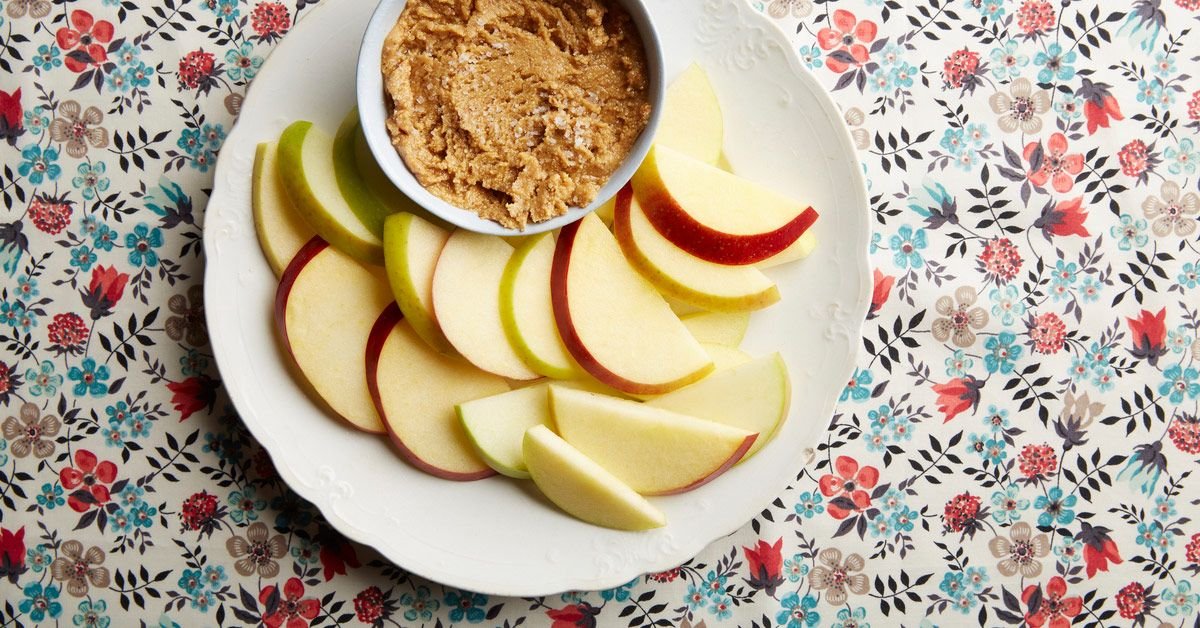
1. Apple Rounds with Cashew Butter: While peanuts are forbidden legumes, cashews offer a rich source of healthy monounsaturated fats, magnesium, and copper. Slicing crisp apples and spreading them with smooth, pure cashew butter provides an ideal balance of dietary fiber and wholesome fat that keeps hunger at bay for hours.
2. Anti-Inflammatory Turmeric Deviled Eggs: Hard-boiled egg yolks mashed with compliant avocado oil mayonnaise, mustard, and a pinch of ground turmeric create a protein-dense, antioxidant-rich bite. Curcumin from the turmeric works synergistically with the healthy fats in the egg yolks, enhancing nutrient absorption while combatting cellular inflammation.
3. Sprouted Pumpkin Seed Mixes: Sprouted seeds undergo a germination process that neutralizes phytic acid and enzyme inhibitors, rendering key minerals like zinc, iron, and magnesium far more bioavailable. Combining sprouted pumpkin seeds with unsweetened toasted coconut flakes and dried fruit offers a crunchy, portable fuel source rich in plant-based protein.
4. Avocado-Cauliflower Hummus with Crunchy Vegetables: Traditional hummus relies on chickpeas, which are banned on Whole30. However, blending steamed cauliflower with rich avocado, tahini, garlic, lemon juice, and extra virgin olive oil creates a velvety dip that pairs exceptionally well with fresh bell pepper strips, cucumbers, and carrots.
5. Sweet Potato Toast Topped with Mashed Avocado: Thinly sliced sweet potatoes can be toasted until tender, serving as a nutrient-packed, grain-free replacement for bread. Top with coarsely mashed avocado, a squeeze of fresh lime juice, sea salt, and red pepper flakes for a satisfying mix of complex carbohydrates and heart-healthy monounsaturated fats.
6. The Protein-Focused Bento Box: Assembling a multi-compartment container with sliced roasted chicken breast, hard-boiled eggs, fresh guacamole, baby carrots, and raw walnuts gives you a complete mini-meal that caters to busy workdays or post-workout recovery needs.
Mastering Whole30 Snacking Strategies and Pitfalls
To gain the full systemic benefits of a 30-day nutritional reset, how you approach snacking is just as vital as what you choose to put on your plate. A common psychological hurdle during elimination diets is the tendency to recreate ultra-processed junk foods using technical compliance tricks—a concept referred to in the Whole30 community as avoiding sex with your pants on or recreating junk food. While occasional energy bites made from dates, raw nuts, and pure cocoa powder are strictly compliant based on ingredient lists, relying on them to satisfy emotional sugar cravings can hinder the psychological habit-breaking aspect of the program. Reserve sweet, fruit-and-nut combinations for moments of true physical exertion rather than emotional stress.
A second critical strategy is rigorous label reading. Industrial food processing frequently conceals non-compliant elements under unfamiliar terms. Always inspect ingredient lists for hidden sugars (such as dextrose, agave, evaporated cane juice, or fruit juice concentrate), non-compliant oils (like soybean, canola, or corn oil), and synthetic preservatives like carrageenan or MSG. Prioritize whole ingredients where the single component is the food itself, or prepare your condiments—such as salad dressings and mayonnaise—at home using cold-pressed oils like olive or avocado oil.
Finally, practice structured portion awareness and intentional eating. Snacking should never devolve into mindless grazing directly out of a package while distracted by screens. Measure out your portions, serve them on a plate or in a container, and sit down to consume your food mindfully. By treating your snacks as deliberate mini-meals designed to nourish your body, you honor your metabolic health while safeguarding the integrity of your 30-day reset.
Frequently Asked Questions
Why does the official Whole30 program discourage snacking between meals?
The program emphasizes three full meals primarily to restore natural satiety cues, optimize hormonal regulation, and allow the digestive system time to rest. Spacing meals four to five hours apart supports the migrating motor complex, a cleansing wave in the gut that clears lingering food particles and bacteria. Furthermore, avoiding constant grazing helps break psychological habits tied to emotional or stress-induced eating. Snacking is permitted, however, when genuine physical hunger arises, particularly for active individuals or those with higher caloric demands.
How can I identify hidden non-compliant ingredients on packaged snack labels?
Identifying compliant packaged foods requires meticulously checking the ingredient list rather than trusting front-of-package marketing claims. Look out for subtle forms of added sugar, including maltodextrin, high-fructose corn syrup, rice syrup, coconut sugar, and fruit juice concentrates. Additionally, ensure there are no dairy derivatives like whey or casein, grain additives, soy lecithin, or chemical preservatives such as carrageenan, potassium bisulfite, or monosodium glutamate. If any prohibited ingredient appears on the label, the product is not compliant.
What are the ideal Whole30 snack choices for post-workout muscle recovery?
Effective post-workout snacks on Whole30 should combine lean, fast-digesting protein with easily digestible complex carbohydrates to replenish depleted muscle glycogen and stimulate muscle protein synthesis. Excellent combinations include sliced roasted turkey or chicken breast paired with baked sweet potato wedges, or hard-boiled eggs served alongside a side of fresh berries or sliced apple. Avoid high-fat snacks immediately following intense exercise, as heavy fats slow down protein digestion and delay nutrient delivery to working muscles.
Final Takeaways for Your Whole30 Journey
Embracing a Whole30 reset is a powerful transformative journey toward understanding your body’s unique relationship with food. While the primary goal of the program is to establish sustainable eating patterns through balanced, satisfying main meals, strategic whole-food snacking remains a valuable tool for supporting active lifestyles and preventing physiological fatigue. By focusing on mini-meals rich in clean proteins, beneficial fats, and fiber-rich fruits and vegetables, you can successfully navigate caloric demands without compromising your dietary compliance.
Ultimately, the key to long-term success lies in intentionality, thorough preparation, and listening to your body’s true biological signals. By eliminating processed additives, hidden sugars, and inflammatory ingredients from your snack routines, you not only protect the integrity of your elimination diet but also build lifelong habits centered around true nutrient density. Approach every snack as an opportunity to fuel your cellular health, and let whole, unprocessed ingredients empower your health transformation.
Leave a Reply