Embarking on a 30-day dietary reset can be a transformative journey for metabolic health, digestive comfort, and long-term vitality. The Whole30 program is famously designed as an intensive elimination protocol, temporarily stripping away potential inflammatory triggers such as added sugars, artificial sweeteners, dairy products, grains, alcohol, legumes, and industrial food additives. By systematically removing these potentially irritating food groups, participants are given a clean slate to observe how specific foods impact their digestion, energy levels, immune function, and systemic inflammation.
While the fundamental philosophy of Whole30 heavily emphasizes three robust, balanced meals each day to help reset hunger hormones and curb mindless eating patterns, real-life circumstances often demand flexibility. Long working hours, intense athletic training sessions, metabolic demands, or pregnancy can make bridging the gap between major meals a biological necessity. Denying the body genuine energy when it requires sustenance can lead to unwanted drops in blood sugar, heightened cortisol levels, and intense cravings that jeopardize compliance.
Navigating snacks on Whole30 requires a thoughtful, intentional approach. Rather than relying on processed, hyper-palatable snack bars, smart snacking on this regimen relies on whole, unrefined, nutrient-dense ingredients. By pairing healthy fats, high-quality proteins, and complex carbohydrates, you can construct satiating mini-meals that support your elimination goals and keep your metabolic engine running efficiently.
Understanding Whole30 and the Role of Strategic Snacking
The Whole30 elimination framework operates on a clear biological premise: by removing common dietary irritants for thirty consecutive days, you allow the mucosal lining of the gastrointestinal tract to repair, reduce systemic low-grade inflammation, and recalibrate your metabolic sensitivity to insulin and leptin. The program strictly prohibits added sugars, alcohol, grains, legumes (including peanuts and soy), dairy, and synthetic processing agents like carrageenan and monosodium glutamate (MSG). These substances are eliminated because they can provoke immune reactivity, disturb gut microbiota balance, induce hyper-palatability, or alter blood sugar balance in sensitive individuals.
In its purest form, Whole30 discourages constant grazing throughout the day. The primary intention behind this guideline is psychological and hormonal: it aims to break the habit of emotional eating, stress-induced nibbling, and continuous insulin elevation. Eating structured, complete meals allows your digestive system to enter periods of rest, stimulating the migrating motor complex (MMC) to clean out the intestinal tract between meals. However, clinical context matters. Snacking is not inherently a failure of discipline; when executed correctly, it serves as a functional tool to meet heightened caloric needs, repair muscle tissue post-exercise, and prevent severe blood glucose drops that trigger unmanageable cravings.
Health Benefits of Whole-Food, Compliant Mini-Meals
When you choose whole, unprocessed foods for mid-day sustenance during an elimination protocol, you unlock significant physiological advantages. Shifting away from processed snacks packed with refined flours and hidden sugars dramatically alters how your body processes energy and recovers from daily stressors.
- Sustained Blood Glucose Regulation: Combining protein, fiber, and healthy monounsaturated or saturated fats slows gastric emptying, preventing rapid spikes in blood sugar and subsequent energy crashes.
- Reduction in Systemic Inflammation: Eliminating refined seed oils, artificial additives, and major allergens allows the immune system to tone down inflammatory pathways, resolving lingering joint discomfort, bloating, and skin flare-ups.
- Enhanced Nutrient Density: Whole-food snacks act as micro-doses of essential vitamins and minerals, such as zinc from pumpkin seeds, copper and magnesium from cashews, and polyphenols from raw cocoa or turmeric.
- Improved Satiety and Hormone Balance: Consuming adequate fats and proteins triggers the release of satiety hormones like cholecystokinin (CCK), signaling genuine fullness to the brain.
- Optimization of Gut Microbiome Integrity: High-fiber foods like sweet potatoes, berries, and brassica vegetables provide prebiotic starches that feed beneficial gut bacteria without reliance on synthetic fiber additives.
Nutritional science consistently underscores that the biological response to food is dictated by its matrix. For instance, pairing an apple with raw cashew butter provides phytosterols, fiber, and healthy fatty acids that modulate glucose absorption far better than eating fruit alone.
Whole30 Snack Ideas: Nutrient-Dense Recipes and Pairings
To successfully incorporate snacks into your Whole30 journey without undermining your elimination goals, focus on mini-meals made from simple, unrefined ingredients. Here are several versatile, high-impact snack combinations engineered for maximum satiety and biological benefit:
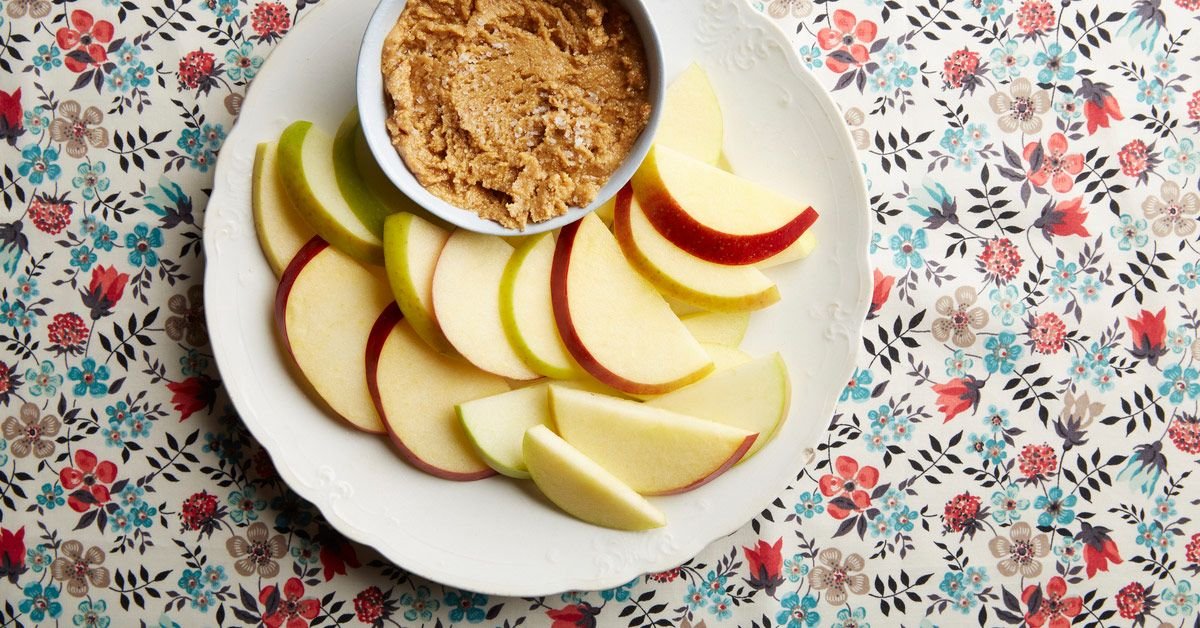
1. Apple and Cashew Butter Rounds: While traditional peanuts and peanut butter are restricted due to their legume status and potential allergenicity, tree nut butters serve as exceptional substitutes. Cashews are loaded with essential minerals, including magnesium, copper, and manganese. Slicing a crisp apple into rounds and spreading raw cashew butter between them creates a balance of dietary fiber, natural sweetness, and healthy fats that stabilize energy for hours.
2. Anti-Inflammatory Turmeric Deviled Eggs: Hard-boiled egg yolks mashed with compliant avocado-oil mayonnaise, Dijon mustard, sea salt, and a generous pinch of ground turmeric transform standard deviled eggs into a nutrient-dense snack. Turmeric contains curcumin, a potent bioactive compound known for downregulating inflammatory pathways. Eggs offer complete protein, choline for brain health, and bioavailable lutein.
3. Sprouted Seed and Coconut Energy Mixes: Pumpkin seeds are a powerhouse of zinc, iron, and plant-based protein. Opting for sprouted seeds improves the bioavailability of these minerals by reducing phytic acid, an anti-nutrient that can bind to minerals and hinder absorption. Combine sprouted pumpkin seeds with unsweetened toasted coconut flakes and raw walnuts for a portable, crunch-satisfying trail mix.
4. Avocado Hummus with Fresh Veggie Sticks: Conventional hummus relies on chickpeas, which are off-limits during Whole30. However, blending ripe avocado with cooked cauliflower, tahini, fresh lemon juice, garlic, and extra virgin olive oil creates a velvety, compliant dip. Pair this spread with sliced bell peppers, cucumbers, or radishes for a crunch packed with vitamin C and heart-healthy monounsaturated fats.
Mastering Labels, Traps, and Snacking Discipline
The success of a Whole30 reset depends not only on what you eat, but also on the psychological relationship you build with your food. A primary hazard during any elimination protocol is falling into the trap of recreating compliant versions of junk foods, commercial treats, or baked goods using approved ingredients. Even if every ingredient in a recreation is technically allowed, consuming processed-style treats reinforces the underlying psychological reward pathways in the brain that cause overeating and emotional cravings.
To avoid these mental traps, treat every snack as an intentional mini-meal. Instead of grabbing a packaged snack bar out of convenience, sit down with a plate containing real, whole foods that require chewing and deliberate digestion. Furthermore, reading ingredient labels with absolute vigilance is mandatory. Modern food manufacturers routinely hide non-compliant additives under obscure names. Look out for added sugars like dextrose, agave, coconut sugar, or fruit juice concentrate. Avoid emulsifiers and thickeners like carrageenan, which can disrupt gut barrier integrity, as well as industrial seed oils high in omega-6 fatty acids, such as soybean, corn, and canola oils. Always choose products made with simple olive, avocado, or coconut oils.
Frequently Asked Questions About Whole30 Snacking
Is snacking strictly forbidden on the official Whole30 program?
Snacking is not outright forbidden, but it is strongly discouraged unless physically necessary. The core philosophy encourages eating three robust, fully satisfying meals per day to allow your body time to rest between digestion cycles and reset your hunger signals. However, if you are pregnant, nursing, recovering from an intense workout, working long shifts, or experiencing genuine physical hunger, eating a compliant mini-meal is fully acceptable to maintain performance and metabolic stability.
How can I ensure my pre-packaged snacks are 100% Whole30 compliant?
To ensure total compliance with pre-packaged items, you must meticulously inspect the ingredient label rather than relying on front-of-package marketing claims. Check that there are no added sugars or artificial sweeteners, no dairy, no grains, no legumes, and no non-compliant additives like carrageenan, MSG, or sulfites. The safest approach is to select packaged items that bear official compliant seals or stick to whole, single-ingredient foods like raw nuts and fresh produce.
What is the best formula for building a truly satiating Whole30 snack?
The most effective formula for constructing a compliant, satiating snack is to combine high-quality protein with a healthy fat and dietary fiber. This triad slows down digestion, prevents rapid blood sugar spikes, and keeps hunger hormones suppressed until your next main meal. Excellent examples include hard-boiled eggs paired with sliced avocado or raw almond butter spread over crisp celery sticks.
Conclusion and Final Takeaways
Navigating the Whole30 program does not require suffering through intense hunger or sacrificing nutritional balance when your energy levels drop. By understanding the core principles of elimination diets and recognizing the physiological role of smart mini-meals, you can make informed decisions that support your health reset. Snacking, when executed with intention, should be an extension of your overall nutritional strategy—focusing on whole, unrefined, nutrient-dense foods that nourish your body from the inside out.
Ultimately, the goal of a 30-day reset is to cultivate a higher level of mindfulness regarding how food makes you feel physically and mentally. By selecting thoughtful combinations of clean proteins, anti-inflammatory healthy fats, and fiber-rich vegetables or fruits, you protect your gut health, maintain stable blood sugar, and build sustainable eating habits that extend far beyond the thirty days.
Leave a Reply