Glucagon-like peptide-1 (GLP-1) receptor agonists have fundamentally transformed the management of chronic metabolic conditions, including type 2 diabetes and clinical obesity. These innovative therapeutic agents work by replicating the physiological actions of naturally occurring incretin hormones, which play a central role in regulating postprandial blood sugar levels, gastric motility, and central nervous system signals related to hunger and satiety. Over the past decade, clinical research into GLP-1 therapeutics has expanded dramatically, evolving from targeted diabetes treatments into powerful solutions for sustainable weight management and cardiovascular risk reduction.
Despite their widespread recognition and clinical demand, GLP-1 medications represent a complex class of pharmaceuticals requiring careful clinical oversight and individual patient evaluation. Formulations such as semaglutide, tirzepatide, liraglutide, and dulaglutide vary significantly in dosing schedules, molecular structures, administration routes, and insurance coverage accessibility. Furthermore, while the physiological impact of these drugs can be profound, they are designed to function alongside—rather than replace—essential lifestyle interventions like tailored nutrition, resistance exercise, and behavioral modifications.
This comprehensive deep dive examines the foundational science driving GLP-1 medications, exploring how they work within the human body, the clinical evidence supporting their therapeutic benefits, practical strategies for managing side effects, and essential considerations for long-term health maintenance. Whether exploring options with a healthcare provider or seeking to understand an existing prescription, this guide provides objective, evidence-based insights to navigate treatment effectively.
What GLP-1 Medications Are and How They Function in the Body
GLP-1 receptor agonists belong to a class of medications known as incretin mimetics. In healthy human physiology, the intestinal tract secretes an endogenous incretin hormone called glucagon-like peptide-1 in response to food intake. This hormone binds to specific receptors located throughout the body, including the pancreas, stomach, liver, and central nervous system. Naturally produced GLP-1 has a very short biological half-life, degrading within minutes due to enzymatic breakdown by dipeptidyl peptidase-4 (DPP-4). Synthetic GLP-1 receptor agonists are molecularly engineered to resist this rapid breakdown, remaining active in the bloodstream for extended periods—ranging from daily activity to full weekly duration.
When these synthetic compounds bind to GLP-1 receptors, they initiate a cascade of beneficial metabolic actions. In the pancreas, they stimulate glucose-dependent insulin secretion, prompting insulin release primarily when blood sugar levels are elevated. Simultaneously, they suppress the inappropriate secretion of glucagon, a hormone that causes the liver to release stored glucose into the bloodstream. Beyond glycemic control, GLP-1 agonists act directly on the gastrointestinal tract by delaying gastric emptying. This slower rate of digestion keeps food in the stomach longer, promoting prolonged post-meal fullness.
Additionally, GLP-1 receptors in the hypothalamus and brainstem receive signals that directly influence appetite, food cravings, and reward-seeking behaviors surrounding eating. Newer dual-action agents activate both GLP-1 receptors and glucose-dependent insulinotropic polypeptide (GIP) receptors. This dual-receptor engagement synergizes metabolic effects, often yielding even greater reductions in blood glucose and body weight compared to selective GLP-1 agonists alone.
Key Clinical Benefits and Evidence-Based Health Outcomes
Extensive randomized controlled trials have documented the multi-system benefits of GLP-1 receptor agonists. While initially developed for glycemic management, modern clinical research underscores their broader systemic advantages across cardiovascular, metabolic, and weight-related health parameters.
- Robust Glycemic Regulation: GLP-1 agonists consistently produce significant reductions in hemoglobin A1c levels among individuals with type 2 diabetes. By enhancing insulin secretion only during elevated blood glucose levels, these medications effectively lower blood sugar without significantly increasing hypoglycemia risk when used as monotherapy.
- Substantial and Sustained Weight Loss: By delaying gastric emptying and modulating brain satiety centers, these medications lead to meaningful reductions in total body weight. Clinical trials demonstrate average body weight reductions ranging from 10% to over 20% depending on the specific agent, dosage, and duration of therapy.
- Cardiovascular Risk Reduction: Major clinical trials have demonstrated that certain GLP-1 formulations significantly lower the incidence of major adverse cardiovascular events, including non-fatal myocardial infarction, non-fatal stroke, and cardiovascular death in high-risk adult populations.
- Metabolic and Hepatic Improvements: Beyond weight loss, therapy with GLP-1 agonists routinely improves key metabolic markers, including fasting insulin, blood pressure, systemic inflammatory markers, and liver fat accumulation associated with metabolic dysfunction-associated steatotic liver disease.
- Appetite and Craving Suppression: Patients frequently report a noticeable reduction in intrusive thoughts about food—often referred to as “food noise”—leading to improved adherence to calorie-controlled dietary patterns and healthier overall relationships with food.
These clinical findings highlight that GLP-1 therapies offer comprehensive metabolic rehabilitation rather than simple weight reduction. By simultaneously targeting glycemic regulation, vascular health, and adipose tissue burden, these medications provide a multifaceted therapeutic approach for managing complex chronic conditions.
Practical Guide: Dosing Schedules, Administration, and Medical Navigation
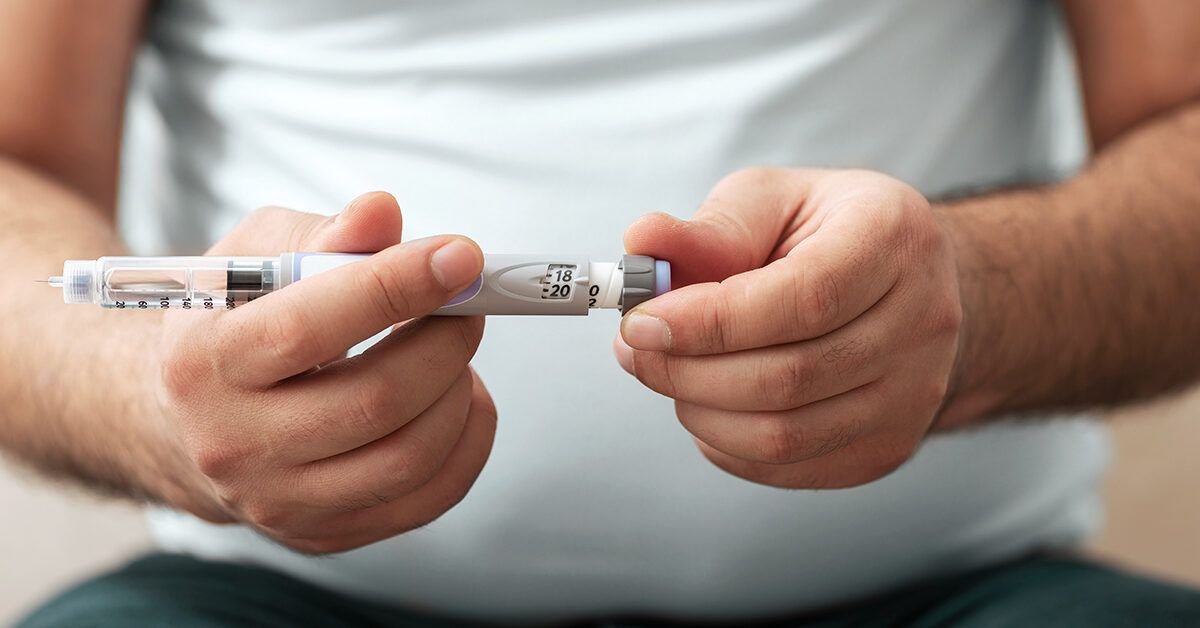
Initiating a GLP-1 receptor agonist requires careful medical supervision and a personalized treatment roadmap. Most GLP-1 medications are administered via subcutaneous injection into the abdomen, thigh, or upper arm using pre-filled pen devices. Injection frequency varies depending on the specific formulation; options include once-daily injections or once-weekly injections. Oral daily semaglutide formulations are also available, which require specific administration rules, such as taking the tablet on an empty stomach with a small sip of water upon waking and waiting at least thirty minutes before consuming food, beverage, or other oral medications.
To minimize gastrointestinal adverse effects, healthcare providers utilize a gradual dose-escalation schedule known as titration. Patients typically start at a low introductory dose for several weeks before incrementally stepping up to higher therapeutic doses. Skipping or accelerating titration steps significantly increases the risk of acute nausea, vomiting, and abdominal discomfort.
Navigating medication access also requires realistic planning. GLP-1 medications carry substantial monthly costs, and insurance coverage policies vary widely based on individual health plans, underlying clinical diagnoses, and prior authorization requirements. Working closely with prescribing clinicians and medical benefits specialists can help clarify coverage criteria and identify potential patient assistance programs.
Practical Guide: Managing Side Effects and Supporting Long-Term Success
Gastrointestinal symptoms represent the most common side effects associated with GLP-1 receptor agonist therapy, particularly during initiation and titration phases. Mild to moderate nausea, transient vomiting, diarrhea, constipation, acid reflux, and abdominal bloating are frequently reported. To mitigate these symptoms, clinical experts recommend consuming smaller, more frequent meals, eating slowly, avoiding high-fat or heavily spiced foods, staying adequately hydrated, and stopping consumption at the first sign of fullness.
Maintaining muscle mass and bone density is a critical component of safe weight management on GLP-1 medications. Because rapid weight reduction can lead to loss of lean muscle tissue alongside fat loss, patients should prioritize adequate daily dietary protein intake and participate regularly in progressive resistance training exercises. Engaging in structured physical activity also supports cardiovascular endurance and helps preserve baseline metabolic rate.
Furthermore, patients should view GLP-1 medications as part of a long-term strategy for chronic disease management. Research indicates that discontinuing these medications without maintaining strict lifestyle habits often leads to appetite rebound and weight regain. Long-term success relies on utilizing the appetite-suppressing window afforded by GLP-1 therapy to establish sustainable, healthy habits involving nutrient-dense nutrition, physical activity, adequate sleep, and stress management.
Frequently Asked Questions About GLP-1 Therapy
What happens if a patient stops taking a GLP-1 medication?
When GLP-1 medication is discontinued, its biological effects gradually fade as the drug clears from the system. Natural appetite signals return, gastric emptying rates normalize, and blood sugar regulation relies once again on endogenous insulin mechanisms. Clinical studies show that many individuals experience weight regain and a rebound in blood glucose levels after cessation if continuous lifestyle modifications are not maintained. For this reason, medical providers often view GLP-1 therapy as a long-term intervention for managing chronic metabolic conditions.
How do dual GIP/GLP-1 medications differ from single-receptor GLP-1 drugs?
Traditional GLP-1 medications target a single hormone receptor to stimulate insulin secretion, delay digestion, and reduce hunger. Dual GIP/GLP-1 receptor agonists activate two distinct gut hormone pathways simultaneously. Glucose-dependent insulinotropic polypeptide (GIP) complements GLP-1 action by enhancing insulin release, improving fat tissue metabolism, and further regulating satiety centers in the brain. Head-to-head clinical trials demonstrate that dual-action agents generally produce greater average reductions in blood glucose and body weight compared to single-receptor GLP-1 agonists.
Are GLP-1 medications safe for everyone, and what are the main contraindications?
While GLP-1 medications are generally safe and well-tolerated for most adults, they are not suitable for everyone. They are strictly contraindicated in individuals with a personal or family history of medullary thyroid carcinoma or Multiple Endocrine Neoplasia syndrome type 2. Additionally, caution is required for patients with a history of severe pancreatitis, gastroparesis, or advanced kidney disease. A thorough medical evaluation is essential before starting treatment to review health histories and screen for contraindications.
Conclusion: A New Era in Metabolic Health Management
GLP-1 receptor agonists represent a transformative advancement in modern metabolic medicine, providing effective, evidence-based tools to tackle type 2 diabetes, obesity, and cardiovascular risk. By mimicking essential gut hormones, these therapeutics restore physiological balance, improve glycemic control, and facilitate significant body weight reduction. However, their full potential is realized not as isolated remedies, but as central components of a multi-faceted healthcare strategy that incorporates personalized medical monitoring, proper dose titration, and continuous support for foundational lifestyle habits.
As research continues to uncover additional therapeutic applications for GLP-1 therapies, staying informed and working collaboratively with healthcare providers remains paramount. By understanding how these medications function, anticipating potential challenges, and prioritizing overall wellness, individuals can make empowered decisions that foster sustainable, long-term health improvements.
Leave a Reply