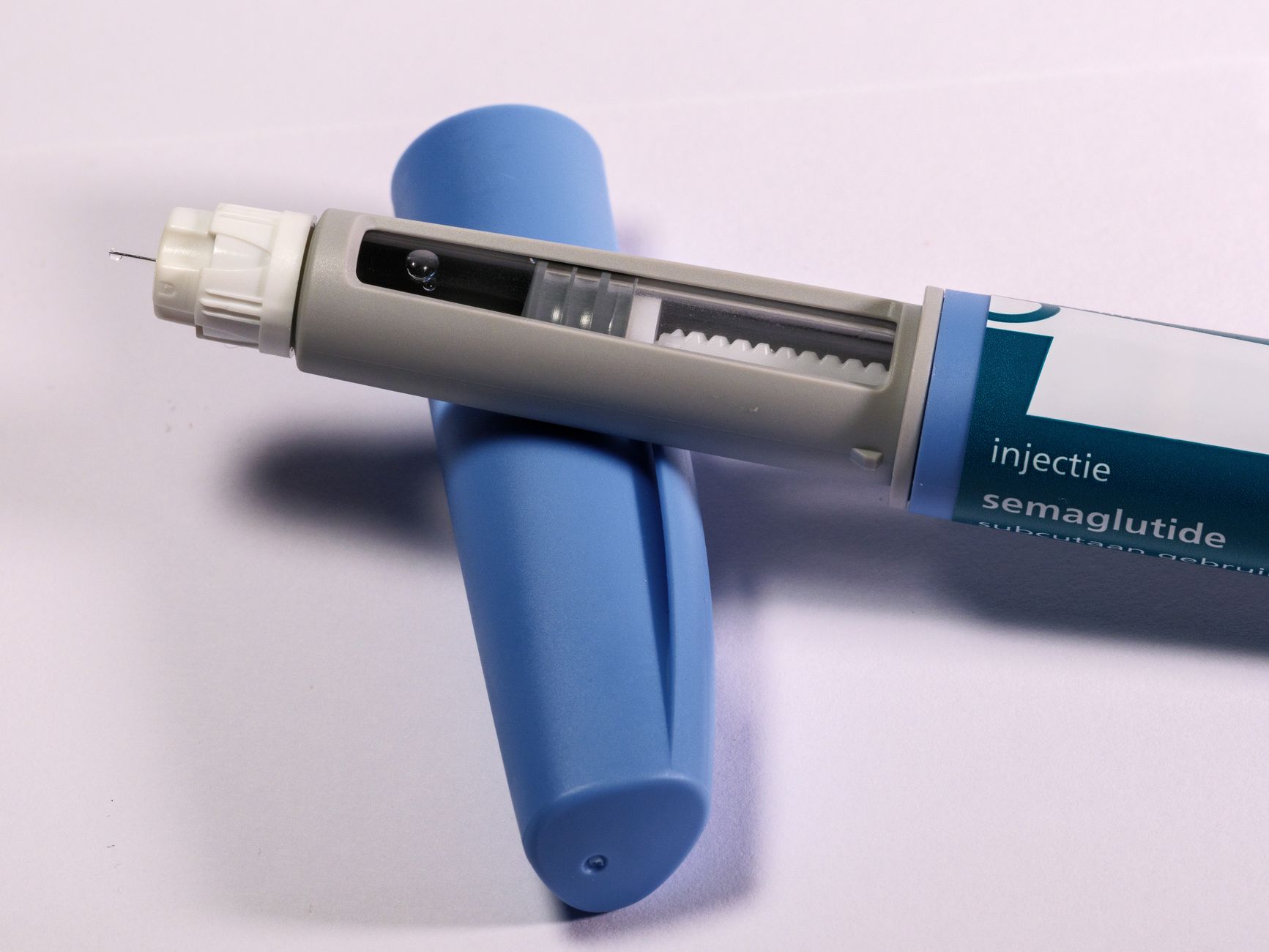
GLP-1 receptor agonists are a class of medications increasingly recognized for their role in managing type 2 diabetes and supporting weight loss. These drugs mimic the action of a natural hormone, glucagon-like peptide-1, which helps regulate blood sugar, slow gastric emptying, and promote feelings of fullness.
Understanding GLP-1 Medications for Weight Management and Diabetes
This guide provides an overview of GLP-1 medications, including their mechanisms, common types, administration, and important considerations for individuals exploring these treatment options. The primary goal of incorporating a GLP-1 diet often involves focusing on whole foods such as fruits, vegetables, lean proteins, and healthy fats to maximize therapeutic benefits.
Semaglutide: Wegovy, Ozempic, and Rybelsus
Semaglutide is a prominent GLP-1 agonist available under various brand names. Wegovy is specifically approved for chronic weight management in adults and certain children, while Ozempic and Rybelsus are primarily used for managing blood sugar in adults with type 2 diabetes, with Ozempic also being used off-label for weight loss. Semaglutide has also shown benefits in reducing the risk of major cardiovascular events in people with type 2 diabetes.
Administration of semaglutide can be through subcutaneous injections (Wegovy, Ozempic) or oral tablets (Rybelsus). Proper injection technique and medication storage are crucial for effectiveness and safety. When prescribed semaglutide, a balanced diet can enhance its impact on weight loss and blood sugar control. It is important to discuss with a healthcare provider which foods to prioritize and which to limit to minimize potential side effects.
Considerations for semaglutide include potential long-term side effects and the possibility of weight regain or withdrawal symptoms if the medication is stopped abruptly. Semaglutide is prescription-only, and its use during pregnancy is generally not recommended due to potential risks. The safety of compounded semaglutide, which is not FDA-approved, has also been a subject of concern.
Tirzepatide: Zepbound and Mounjaro
Tirzepatide is a dual GIP and GLP-1 receptor agonist, representing another significant advancement in weight management and type 2 diabetes treatment. Zepbound is approved for chronic weight management, while Mounjaro is used for managing blood sugar in adults with type 2 diabetes and is also used off-label for weight loss. Tirzepatide offers a distinct mechanism of action compared to semaglutide, and comparisons between the two often focus on their effectiveness and side effect profiles.
Like other GLP-1 class medications, tirzepatide requires a prescription. Information regarding its uses, side effects, dosage, cost, and potential interactions with alcohol or other drugs is important for patients and prescribers. Financial assistance programs may be available to help manage the cost of tirzepatide.
Liraglutide: Saxenda and Victoza
Liraglutide is another GLP-1 receptor agonist. Saxenda is approved for chronic weight management, while Victoza is used for managing blood sugar in adults and children with type 2 diabetes and for reducing cardiovascular risk in adults with type 2 diabetes. Understanding the differences and similarities between liraglutide and other GLP-1s, such as semaglutide (Wegovy), is key for determining the most suitable treatment.
Patients considering liraglutide should be aware of its common side effects, cost implications, and how to obtain it with a prescription. Proper administration and storage are also vital for this injectable medication.
Dulaglutide: Trulicity
Dulaglutide, marketed as Trulicity, is primarily used for managing type 2 diabetes and reducing the risk of major cardiovascular events in adults with type 2 diabetes. While not specifically approved for weight loss, some individuals may experience weight reduction as a side effect. Information on Trulicity’s side effects, dosage, cost, and interactions with other medications is readily available.
Coverage for Trulicity, including through programs like Medicare, is an important consideration for patients. As with all prescription medications, a healthcare professional must determine if Trulicity is an appropriate treatment option.
Important Considerations for GLP-1 Medications
Deciding whether GLP-1 receptor agonists are suitable involves a comprehensive evaluation by a licensed healthcare provider. Factors such as medical history, current health status, and treatment goals play a crucial role. These medications are available by prescription only, ensuring appropriate medical oversight.
Patients are advised to discuss all aspects of GLP-1 treatment with their doctor, including potential benefits, risks, administration methods, dietary recommendations, and strategies for managing side effects or transitioning off the medication if necessary.
Leave a Reply