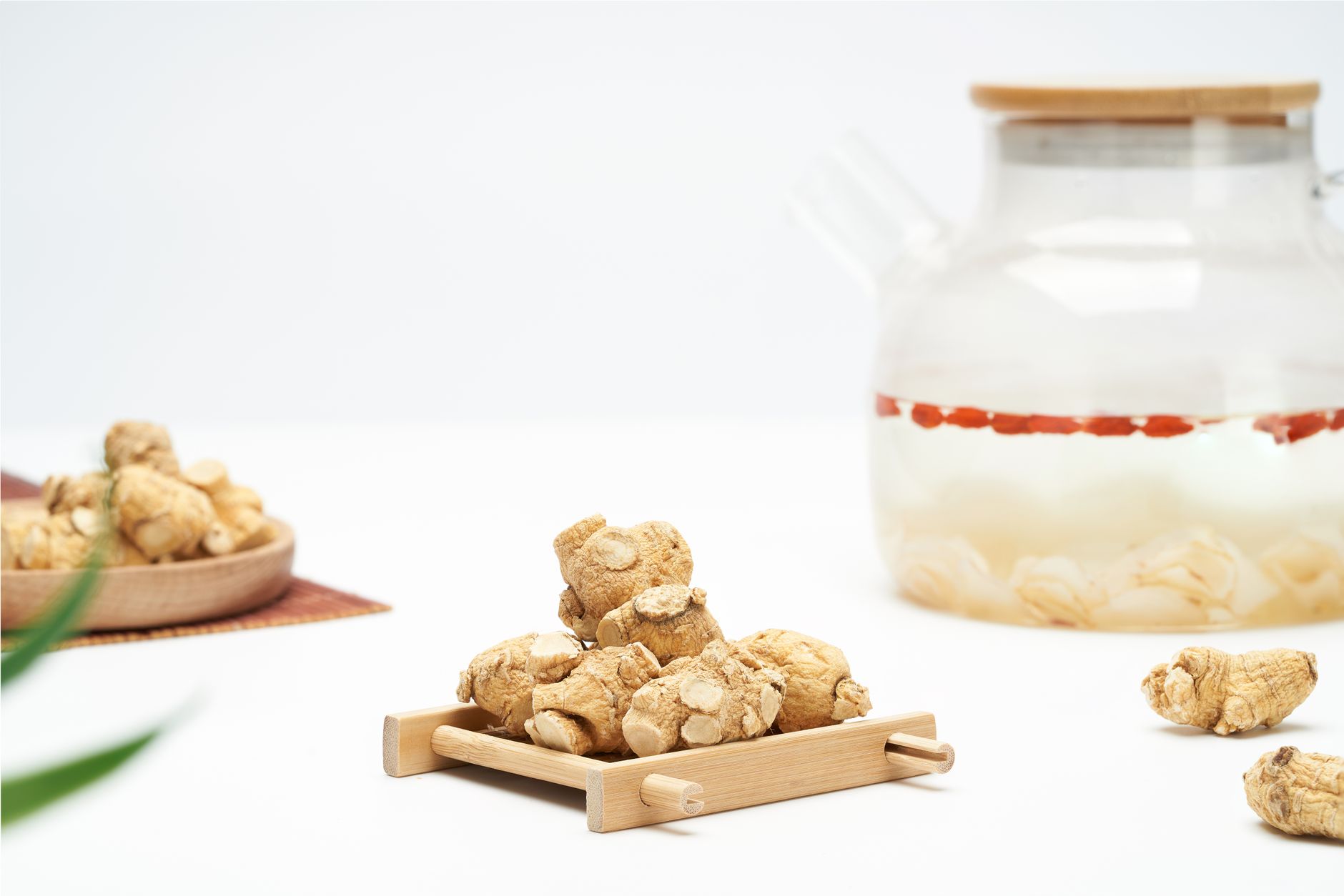
Ginseng, a revered herb in traditional Chinese medicine for centuries, is celebrated for its rich antioxidant content and potential health benefits. This slow-growing plant features fleshy roots classified as fresh, white, or red, depending on their cultivation period. Varieties like American ginseng (Panax quinquefolius) and Asian ginseng (Panax ginseng) exist, each with distinct concentrations of active compounds. The primary beneficial compounds in ginseng are ginsenosides and gintonin, which work synergistically to offer a range of potential health advantages, including support for brain health, immune function, and blood sugar management. Further research continues to explore these promising effects.
Antioxidant and Anti-inflammatory Properties
Ginseng is recognized for its potent antioxidant and anti-inflammatory capabilities. Studies indicate that American ginseng extract may help reduce exercise-induced muscle damage and lower inflammation markers. Research also suggests that ginseng root extract could contribute to reducing inflammation, though more extensive human studies are needed to fully understand these effects.
Potential for Enhanced Brain Function
The herb may contribute to improved brain functions, including memory, behavior, and mood. Regular consumption of ginseng has been linked to enhanced cognitive function in older adults. It may also play a role in alleviating stress and could offer benefits for conditions such as depression and anxiety. Specific research has shown that American ginseng can significantly improve working memory. Furthermore, ginseng may positively impact brain function in individuals with Alzheimer’s disease.
Support for Erectile Dysfunction
Ginseng is being explored as a potential alternative treatment for erectile dysfunction (ED). It may promote the production of nitric oxide, a compound known to improve muscle relaxation and increase blood circulation, which is relevant to erectile function. While some studies indicate that ginseng could improve self-reported ability to have intercourse, research on its overall effectiveness for ED has yielded mixed results, highlighting the need for more high-quality studies.
Immune System Enhancement
Ginseng is believed to possess strong antibacterial, antifungal, and antiviral properties, potentially enhancing immune system function. Animal studies have shown that certain ginseng extracts can increase immune cell counts and boost antioxidant levels. Human studies also suggest that regular consumption of Korean red ginseng may significantly increase levels of immune cells. However, further human research is essential to fully understand ginseng’s comprehensive effects on immune health.
Possible Anti-Cancer Properties
Ginseng may offer benefits in reducing the risk of certain cancers. The ginsenosides found in the herb are thought to reduce inflammation and provide antioxidant protection. These compounds may also positively influence the cell cycle, potentially preventing abnormal cell growth and production. Additionally, ginseng has been suggested to help alleviate some side effects of chemotherapy, such as fatigue. While some research indicates a lower risk of cancer development among ginseng users, more extensive studies are required to confirm these findings.
Combating Fatigue and Boosting Energy
Ginseng has demonstrated potential in alleviating fatigue and enhancing energy levels. Components within ginseng, such as polysaccharides and oligopeptides, have been linked to reduced oxidative stress and increased cellular energy production, which can contribute to decreased fatigue. Research suggests that ginseng may significantly improve symptoms of chronic fatigue syndrome. It has also been observed to reduce cancer-related fatigue when consumed in specific daily doses of American or Asian ginseng.
Blood Sugar Regulation Potential
Ginseng appears to be beneficial in managing blood sugar levels for individuals with and without diabetes. Both American and Asian ginseng may enhance pancreatic cell function, stimulate insulin production, and improve the uptake of blood sugar by tissues. Studies have shown that American ginseng can significantly reduce fasting blood sugar levels and improve hemoglobin A1c, a marker for long-term blood sugar regulation, in people with type 2 diabetes. These findings suggest a promising role for ginseng in blood sugar management, though larger studies are needed for verification.
How to Incorporate Ginseng
Ginseng root offers versatile consumption methods. It can be eaten raw, lightly steamed, or brewed into a tea by steeping fresh slices in hot water. The herb can also be integrated into various culinary dishes, such as soups and stir-fries. For convenience, ginseng extract is available in powder, tablet, capsule, and oil forms.
Dosage recommendations vary based on the desired health benefit. For instance, managing cancer-related fatigue might involve 2,000 mg of American ginseng daily for up to eight weeks. A general guideline suggests starting with lower doses, such as 200 mg of ginseng root extract daily, and gradually increasing as needed. To optimize absorption and benefits, it is often recommended to consume a standardized ginseng extract containing 2% to 3% total ginsenosides before meals.
Safety and Potential Side Effects
Ginseng is generally considered safe and typically does not cause serious adverse effects. However, individuals taking diabetes medications should closely monitor their blood sugar levels when using ginseng to prevent hypoglycemia. It is crucial to consult a healthcare professional before starting ginseng supplementation.
Ginseng may also interact with certain medications, potentially reducing the effectiveness of anticoagulant drugs. Other possible interactions include calcium channel blockers, high blood pressure medications, statins, and some antidepressants. Due to insufficient safety studies, ginseng is generally not recommended for children, pregnant individuals, or those who are nursing. Always seek advice from a healthcare professional before incorporating ginseng into your regimen.
Conclusion
Ginseng offers a spectrum of potential health benefits, including reducing inflammation, enhancing brain function, and boosting the immune system. It may also assist in managing erectile dysfunction, lowering blood sugar, combating fatigue, and mitigating certain side effects of chemotherapy. While promising, further research is vital to fully understand and confirm these potential advantages. Always consult a medical professional before taking ginseng or integrating it into your diet to ensure it is appropriate for your specific health needs and to receive personalized dosage and usage recommendations.
Leave a Reply