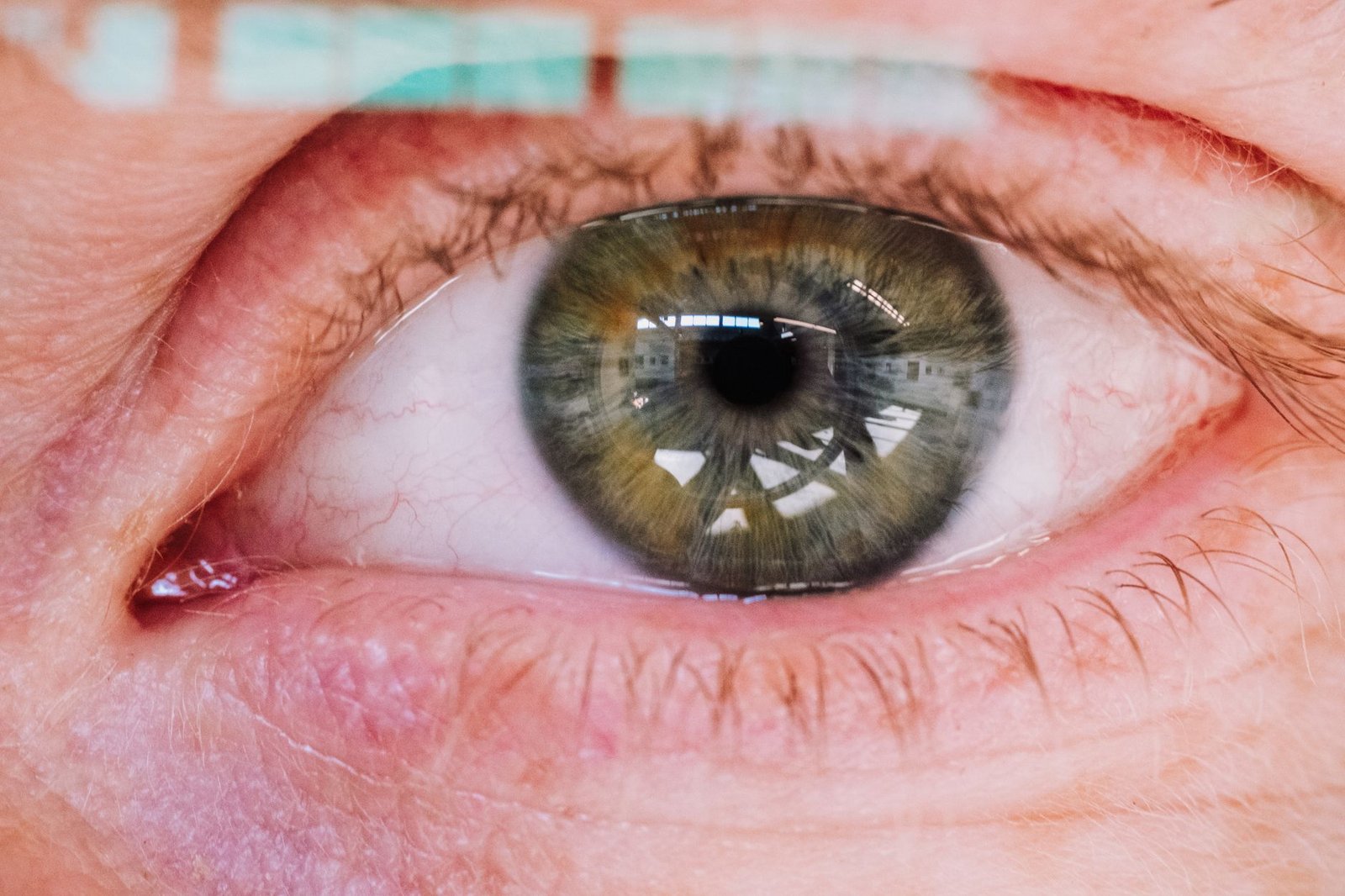
Genes are fundamental units of heredity, found as specific segments of DNA located on chromosomes. These segments carry the instructions for producing particular proteins, which are essential for various functions throughout the body. The proteins ultimately determine a wide array of traits, from physical characteristics like eye color to the production of specific hormones.
The process by which the genetic information within a gene is translated into a functional product, typically a protein, is known as gene expression. This intricate mechanism dictates how our genetic blueprint manifests in our physical and biological makeup. It’s also important to note that environmental factors encountered during an individual’s lifetime can significantly influence how genes are expressed, adding another layer of complexity to our biological identity.
The Human Genome and Non-Coding DNA
Humans possess approximately 20,000 coding genes. However, the distribution of these genes varies across different chromosomes, with some containing a greater number than others.
Interestingly, not all DNA sequences are responsible for coding proteins. A substantial portion of human DNA, roughly 98%, does not directly code for any protein. This non-coding DNA plays crucial roles in regulating gene activity.
Within genes, segments known as introns account for about 24% of our DNA. While introns do not code for proteins themselves, they are vital in regulating the expression of the genes they are part of. Beyond the genes, another 74% of our DNA is classified as intergenic DNA. These segments are located on chromosomes but do not belong to genes. Their primary function is to help regulate the expression of nearby genes, highlighting the complex regulatory network that governs our genetic makeup.
Leave a Reply