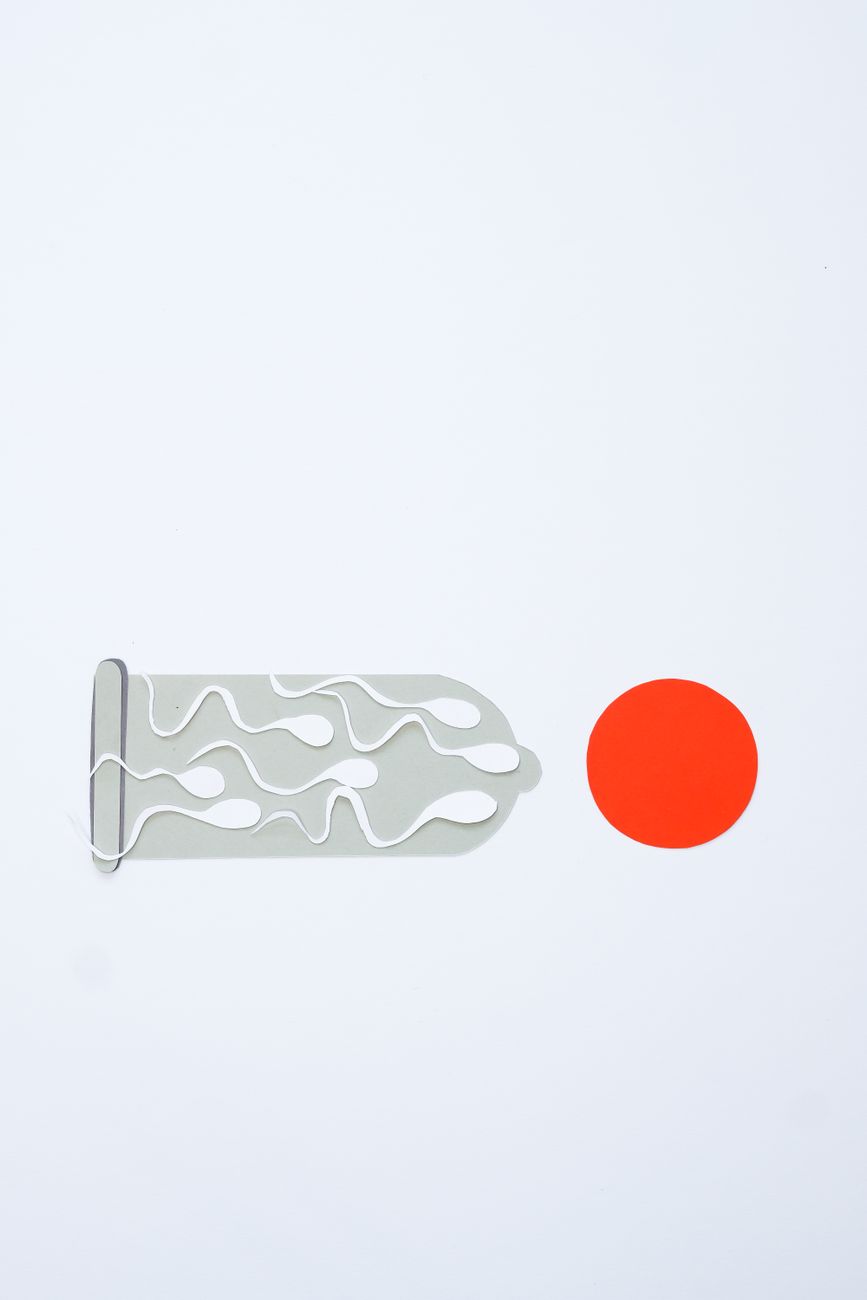
Understanding the timing of ovulation within the menstrual cycle is crucial for assessing the likelihood of pregnancy. Sperm can remain viable in the uterus for up to five days, meaning conception is most probable when intercourse takes place close to ovulation.
The fertile window, which encompasses the days leading up to and immediately following ovulation, can be monitored using methods such as the calendar method, observation of cervical mucus, and tracking basal body temperature.
While fertility awareness methods (FAMs) can assist in family planning, they are generally more effective for those trying to conceive than for preventing pregnancy. Sperm can survive in the reproductive tract for up to five days after intercourse, and pregnancy can only occur if sperm is present in the uterus or fallopian tubes at the time of ovulation.
Ovulation typically happens around day 14 of the menstrual cycle. However, if cycles are irregular or calculations are inaccurate, unprotected intercourse at other times of the month may still result in pregnancy.
How Ovulation and Pregnancy Occur
Ovulation is the process where an ovary releases an egg into a fallopian tube, ready for potential fertilization. This egg must be fertilized within 24 hours; otherwise, it may begin to break down, leading to menstruation.
For fertilization to happen, sperm must travel from the vaginal canal, through the cervix, into the uterine cavity, and finally into the fallopian tube to meet the egg. As mentioned, sperm can survive in the reproductive tract for up to five days awaiting an egg.
Should fertilization take place, the fertilized egg then journeys from the fallopian tube to the uterus, where it must implant into the uterine wall. This implantation typically occurs 6 to 10 days after ovulation.
Pregnancy is established only when a fertilized egg successfully implants in the uterus. If implantation does not occur, the uterine lining sheds, resulting in a menstrual period.
Pregnancy Risk Around Menstruation
Ovulation and menstruation are typically separated by about two weeks, making the probability of conception immediately before a period relatively low.
However, for individuals with shorter menstrual cycles (the average being 28 days), pregnancy can occur if unprotected intercourse happens during or shortly after menstruation. For instance, if intercourse occurs near the end of a period and ovulation happens earlier than expected, conception is possible. Relying on conventional birth control methods is generally the most effective strategy for pregnancy prevention.
The closer a cycle approaches ovulation, the higher the likelihood of pregnancy from unprotected intercourse. The “fertile window” is commonly defined as the 4 to 5 days preceding ovulation, the day of ovulation itself, and the day immediately following ovulation.
Monitoring this fertile window can be a useful tool for those planning to conceive or for those wishing to take precautions to avoid pregnancy.
Methods for Identifying Your Fertile Window
Predicting the fertile window is central to fertility awareness methods (FAMs), also known as natural family planning. These methods involve tracking various biological markers associated with the menstrual cycle.
Calendar Method
For individuals with consistent and regular menstrual cycles, tracking the start date of each monthly period can be beneficial. Typically, days 8 to 19 are considered the most fertile within a cycle ranging from 26 to 32 days. Day 1 of the menstrual cycle is marked by the first day of bleeding, and the total length of the cycle is the number of days between the first day of consecutive periods.
Cervical Mucus Method
Cervical mucus, a type of vaginal discharge, undergoes changes throughout the menstrual cycle. Many observe an increase in thin, stretchy, and slippery discharge just before or during ovulation, often likened to raw egg whites. After ovulation, the discharge typically becomes less noticeable, possibly feeling sticky or appearing thicker. To use this method, it is recommended to observe the amount, consistency, color, and odor of vaginal discharge at least once or twice daily.
Basal Body Temperature (BBT) Method
Basal body temperature (BBT) is the body’s temperature at complete rest. It usually rises slightly, by approximately 0.5°F (0.3°C), during ovulation and stays elevated until the end of the menstrual cycle. Maintaining a consistent daily record of your temperature with a specialized basal thermometer can help identify your ovulation pattern. To begin, take your temperature every morning immediately upon waking, ideally before any activity, getting out of bed, or consuming food or drink.
Effectiveness of Fertility Awareness for Pregnancy Prevention
Reliably determining the fertile window through tracking can take several months, and even then, absolute accuracy of calculations cannot be guaranteed. For those not aiming to conceive, using barrier methods like condoms or other forms of contraception is advisable.
When meticulously charted and implemented, fertility awareness methods (FAMs) can achieve an effectiveness rate of 91% to 99%. However, it is important to note that up to 9 out of 100 individuals relying solely on FAMs for pregnancy prevention may still become pregnant.
Factoring in typical human error, the effectiveness of FAMs drops to approximately 76%, meaning that 24 out of 100 individuals using these methods exclusively for contraception may experience an unintended pregnancy.
Ultimately, tracking the fertile window is generally more effective as a tool for achieving pregnancy than for preventing it. Various factors such as stress, physical activity, and diet can influence the length of the menstrual cycle, and the exact day of ovulation can vary from one month to another.
Depending on individual fertility goals, consulting with a healthcare professional is recommended to discuss more reliable birth control options or to prepare for a potential pregnancy.
Leave a Reply