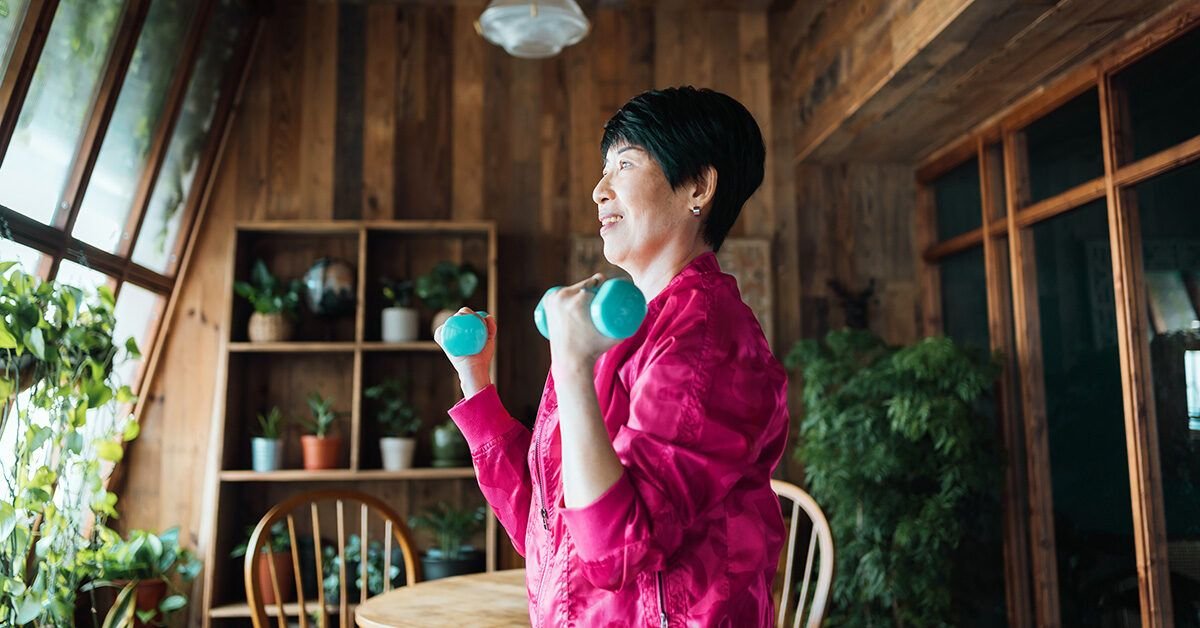
As the human body matures, maintaining physical stability and confidence during daily movements becomes one of the single most crucial factors in preserving lifelong independence. However, aging naturally introduces subtle shifts in muscle mass, neurological processing speed, joint flexibility, and sensory acuity. For adults aged 65 and older, these physiological changes can make everyday activities—such as navigating a flight of stairs, stepping over a curb, or getting out of a low armchair—significantly more challenging. A single unexpected slip or trip can instantly disrupt an individual’s physical health, emotional well-being, and personal autonomy.
Statistical data from public health agencies underscores the scale of this issue. Each year in the United States alone, falls among older adults account for over three million emergency department visits and upwards of one million hospitalizations. Beyond the immediate physical trauma, which frequently includes hip fractures, traumatic brain injuries, and severe soft-tissue damage, falls carry a profound psychological toll. Many individuals who experience a fall develop a pervasive fear of falling again. This anxiety often leads to self-imposed activity restriction, which ironically accelerates muscle weakness and loss of balance, creating a dangerous cycle of functional decline.
Fortunately, falling is not an inevitable outcome of growing older. Extensive research in geriatric medicine and physical therapy demonstrates that the vast majority of falls are predictable and preventable. By adopting proactive strategies that target key physiological mechanisms, modifying environmental hazards in the living space, and working collaboratively with healthcare providers, older adults can dramatically reduce their risk of falling. This comprehensive guide explores the physiological mechanics of balance, provides evidence-based safety protocols, and outlines actionable steps to build physical resilience and maintain lasting mobility.
What Causes Balance Loss and How Fall Prevention Works
Human balance is a complex, dynamic process governed by the seamless integration of three primary sensory systems: the visual system, the vestibular system of the inner ear, and the proprioceptive system, which relies on sensors in muscles and joints to inform the brain of body position in space. The central nervous system continuously processes input from these systems and sends rapid motor signals to skeletal muscles to make micro-adjustments in posture. As people age, natural changes can disrupt this delicate feedback loop. Sarcopenia—the gradual, age-related loss of skeletal muscle mass and strength—reduces the force available to catch oneself during a stumble. Concurrently, nerve conduction velocity slows down, delaying the brain’s reaction time when balance is compromised.
Visual changes, such as reduced contrast sensitivity, narrowed peripheral vision, and slower adaptation to dark or light environments, make it more difficult to detect environmental hazards like subtle changes in floor elevation or loose items on the ground. Vestibular degeneration can cause episodes of dizziness or lightheadedness, particularly during sudden head movements or changes in body position. Furthermore, underlying chronic health conditions—including peripheral neuropathy from diabetes, osteoarthritis, and cardiovascular irregularities—can impair sensory feedback or blood flow to the brain, further compromising stability.
Effective fall prevention operates by systematically addressing both intrinsic (internal biological) and extrinsic (external environmental) risk factors. Intrinsic targeted prevention focuses on neuromuscular re-education, strengthening core and lower-extremity muscle groups, improving joint flexibility, and optimizing medical health. Extrinsic prevention focuses on eliminating environmental friction, improving ambient lighting, and utilizing assistive technologies. When intrinsic capabilities are enhanced and extrinsic hazards are minimized, the physical threshold required to trigger a fall rises significantly, allowing older adults to move safely through their environments.
Key Risk Factors and Clinical Indicators of Fall Risk
Identifying fall risk factors early is essential for implementing targeted interventions before an injury occurs. Clinical studies highlight several key indicators that signal an elevated likelihood of falling. Recognizing these signs allows individuals, family members, and caregivers to take timely action.
- Lower-Extremity Muscle Weakness: Difficulty standing up from a seated position without using hands is a primary indicator of diminished quadricep and gluteal strength.
- Gait Instability and Shuffling: Changes in walking patterns, such as taking shorter steps, dragging feet, or swaying laterally, suggest impaired motor control and balance mechanisms.
- Polypharmacy and Medication Side Effects: Taking four or more prescription medications—especially sedatives, antihypertensives, anticholinergics, or psychotropics—significantly increases dizziness and postural instability.
- Postural or Orthostatic Hypotension: A sudden drop in blood pressure upon standing up, causing transient dizziness, lightheadedness, or temporary graying out of vision.
- Sensory and Visual Impairment: Unaddressed cataracts, macular degeneration, or loss of sensation in the feet due to peripheral neuropathy reduce spatial awareness.
- Environmental Hazards in Daily Spaces: Poor home lighting, clutter, loose rugs, slippery bathroom surfaces, and lack of secure handrails.
- History of Previous Falls or Near-Misses: Experiencing one fall doubles the probability of experiencing a subsequent fall within the following year.
The evidence supporting active fall prevention interventions is overwhelming. Rigorous clinical trials consistently demonstrate that structured balance and resistance training programs can reduce fall incidence by up to 30% to 50% in community-dwelling older adults. Moreover, combining physical exercises with comprehensive home safety modifications and clinical medication reviews creates a synergistic protective effect. Preventing falls not only avoids severe physical injury and costly medical hospitalization but also preserves essential functional independence, mental health, cognitive mobility, and overall quality of life.
Targeted Physical Conditioning: Strength, Balance, and Mobility Exercises
Physical activity is the cornerstone of any effective fall prevention strategy. To optimize stability, exercise routines should specifically target lower-body muscle strength, core stability, dynamic balance, and flexibility. Engaging in these targeted movements two to three times per week creates structural resilience and improves the body’s natural compensatory reflexes during movement.
One of the most widely researched and effective protocols is the Otago Exercise Program, an individualized, home-based program consisting of muscle strengthening and balance retraining exercises. Key exercises to integrate into a daily routine include:
1. Sit-to-Stand Transitions: Sit on a sturdy, armless chair with feet flat on the floor, shoulder-width apart. Lean slightly forward from the hips, engage the core, and stand up smoothly without using hands if possible. Slowly lower back down into the seat under control. Repeat 10 to 15 times to build functional quadricep and gluteal power.
2. Single-Leg Stances: Stand near a solid countertop or sturdy chair for safety. Lift one foot slightly off the floor, balancing on the supporting leg for 10 to 30 seconds while maintaining upright posture. Switch legs and repeat 3 times per side. This strengthens ankle stabilizers and sharpens proprioception.
3. Heel-to-Toe Tandem Walk: Position yourself next to a wall for support. Place the heel of one foot directly in front of the toes of the opposite foot with each step, walking in a straight line for 10 to 20 steps. This practice challenges lateral balance control and dynamic gait stability.
4. Wall Sits and Calf Raises: Press your back flat against a wall and slide down into a comfortable shallow squat position, holding for 15 to 30 seconds. Additionally, perform calf raises by lifting onto the balls of your feet while holding a counter, building ankle propulsion power essential for clearing ground obstacles.
In addition to structured strength routines, mind-body exercises such as Tai Chi have earned widespread endorsement from physical therapists and geriatric experts. Tai Chi uses slow, continuous, fluid movements combined with weight shifting and deep breathing. Regular practice enhances spatial awareness, postural alignment, leg endurance, and executive control, drastically reducing fall rates across diverse populations.
Home Environmental Audit and Healthcare Collaboration
Because the vast majority of falls occur within the home, conducting a systematic environmental safety audit is a critical step in lowering fall risk. Transforming a living space into a safe, accessible environment does not necessarily require costly structural renovations; simple, intentional modifications can eliminate everyday trip hazards and significantly enhance physical safety throughout the day and night.
Begin by evaluating floor surfaces across all rooms. Remove unsecured throw rugs or firmly anchor them to the floor using heavy-duty, double-sided anti-slip rug tape. Ensure all primary walking pathways—from bedrooms to bathrooms, kitchens, and living areas—are entirely free of clutter, electric cords, low coffee tables, and pet toys. Upgrade ambient lighting by installing high-lumen bulbs in dim hallways, stairwells, and entryways. Place motion-activated night lights along paths to the bathroom and kitchen, eliminating the danger of walking in complete darkness during nighttime awakenings.
In the bathroom—a high-risk zone for slips and falls—install professionally anchored grab bars inside the shower, beside the bathtub, and adjacent to the toilet. Towel racks and toilet paper holders are not designed to support human body weight and should never be relied upon for balance. Place non-skid rubber mats inside the tub or shower stall, and ensure bath mats outside the shower have rubberized backings. In staircases, install continuous handrails on both sides of the stairs, extending slightly beyond the top and bottom steps, and apply high-contrast non-slip tape to step edges to enhance visual definition.
Simultaneously, active collaboration with healthcare professionals is vital. Schedule an annual comprehensive fall risk assessment with a primary care physician. During this visit, request a formal review of all current prescription and over-the-counter medications to identify potential side effects such as drowsiness, orthostatic dizziness, or impaired motor control. Regular comprehensive eye and hearing examinations are equally crucial, as subtle shifts in visual acuity or vestibular depth perception can silently compromise posture. Finally, ensure daily footwear is supportive, well-fitting, and equipped with non-skid rubber soles, avoiding floppy slippers or walking in socks on hard flooring.
Frequently Asked Questions
What are the most common hidden hazards that cause falls inside the home?
The most common hidden hazards in the home include loose throw rugs without non-skid backings, exposed extension or phone cords stretched across walking pathways, inadequate lighting in stairwells and hallways, and small clutter items left on floors. Additionally, slippery bathtubs lacking rubber mats, unstable furniture used for support instead of dedicated grab bars, and pets moving unexpectedly underfoot frequently contribute to accidental trips and losses of balance. Conducting a thorough room-by-room home evaluation can eliminate these hidden dangers.
How does medication management play a critical role in reducing fall risk?
Medication management is fundamental to fall prevention because many pharmaceuticals affect the central nervous system, blood pressure regulation, and alertness. Certain classes of drugs—including sedatives, sleep aids, tranquilizers, antidepressants, muscle relaxants, and blood pressure medications—can cause side effects such as dizziness, lightheadedness, blurred vision, slow reaction times, or sudden drops in blood pressure upon standing up (orthostatic hypotension). Having a physician or pharmacist review all medications annually helps identify high-risk drug interactions and allows for dosage adjustments or safer alternatives.
What immediate steps should you take if you or an older adult experiences a fall?
If a fall occurs, the immediate priority is to remain calm and assess for potential injuries before attempting to stand up. Take several slow, deep breaths and check for sharp pain, swelling, or severe discomfort in the limbs, hips, or head. If you suspect a broken bone, severe back injury, or head trauma, do not move; call emergency services immediately or use a personal medical alert response device. If you feel uninjured and capable of standing, roll carefully onto your side, push up onto your hands and knees, crawl slowly toward a sturdy piece of furniture (like a heavy chair), place your hands on the seat, bring one foot forward flat on the floor, and slowly push yourself up into a seated position. Always inform a physician about any fall, even if no obvious injury occurred, to evaluate potential root causes.
Fall prevention is not about restricting movement or surrendering independence out of fear; rather, it is about empowering older adults with the tools, physical strength, and physical environment necessary to navigate life with confidence and safety. By recognizing the intrinsic physiological mechanisms of balance and actively addressing environmental risks, seniors can significantly lower their likelihood of experiencing a debilitating fall. Integrating functional strength training, practicing dynamic balance exercises like Tai Chi, and conducting periodic safety audits of the home form a robust defense against physical injury.
Ultimately, taking proactive, evidence-based steps to prevent falls yields profound long-term rewards. Maintaining physical stability preserves personal autonomy, protects social and community engagement, and safeguards overall health and well-being. By prioritizing proactive physical conditioning, routine medical reviews, and targeted home modifications, older adults can continue to live vibrant, self-reliant, and active lives for many years to come.
Leave a Reply