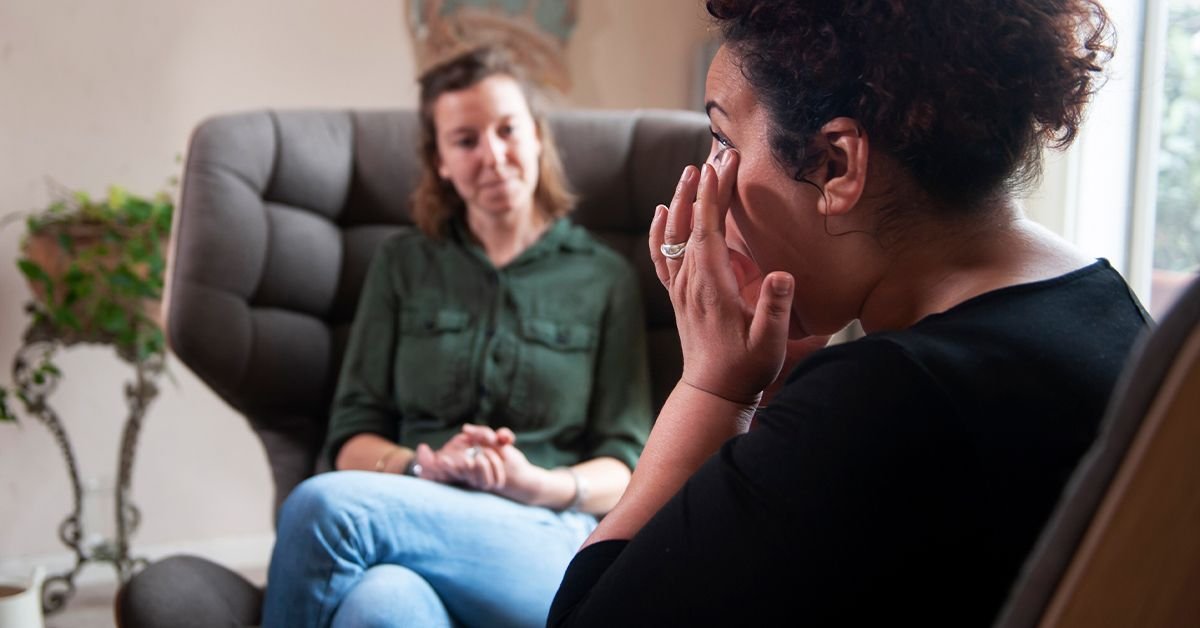
Anxiety disorders and specific phobias affect millions of individuals worldwide, often dictating daily choices, limiting personal freedoms, and reducing overall quality of life. When faced with intense fear—whether triggered by heights, public speaking, health concerns, or specific social interactions—our natural human instinct is avoidance. While stepping away from a scary stimulus offers immediate psychological relief, this safety mechanism creates a self-reinforcing loop. Avoidance signals to the brain's threat-detection center that the trigger was genuinely dangerous, thereby magnifying panic the next time the situation arises.
Overcoming this cycle requires a fundamental shift in how we relate to anxiety. Rather than attempting to suppress or escape uncomfortable sensations, evidence-based clinical psychology offers a powerful, structured pathway to healing known as exposure therapy. As a core specialized branch of Cognitive Behavioral Therapy (CBT), exposure therapy helps individuals face feared objects, activities, or internal bodily sensations in a controlled, safe environment under the guidance of a trained mental health clinician.
Understanding the principles, variations, and robust scientific evidence behind exposure therapy empowers individuals to take actionable steps toward conquering panic, obsessive thoughts, and phobias. This comprehensive guide explores how exposure therapy operates, the distinct modalities available, how to construct a personalized hierarchy of fears, and strategies for navigating treatment safely and effectively.
What Is Exposure Therapy and How Does It Work?
Exposure therapy is an evidence-based psychological treatment designed to help individuals systematically confront the triggers that provoke distress, panic, or compulsive responses. Rooted in behavioral science, this therapeutic approach operates on the principle that conditioned fear responses can be systematically unlearned through repeated, safe encounters with the feared stimulus.
At its neurobiological and psychological core, exposure therapy relies on several key mechanisms of action:
- Habituation: With sustained exposure over time, the body's acute physiological stress response naturally subsides, teaching the central nervous system that the fear-inducing stimulus does not cause harm.
- Extinction Learning: Exposure breaks the neurobiological association between specific cues (such as an elevator or a heart palpitation) and catastrophic outcomes, forming new safety memories in the brain.
- Self-Efficacy: By confronting feared scenarios without resorting to avoidance or compulsions, individuals build self-efficacy and trust in their ability to tolerate emotional distress.
- Emotional Processing: The process allows individuals to integrate latent emotional memories and objectively re-evaluate irrational core beliefs about danger and vulnerability.
To tailor treatment to diverse mental health conditions, clinical practitioners utilize four primary modes of exposure delivery:
- In Vivo Exposure: Direct, real-world confrontation with feared objects, environments, or activities, such as holding a harmless insect, driving over a high bridge, or standing in a crowded venue.
- Imaginal Exposure: Vividly visualizing feared situations, memories, or worst-case scenarios in rich detail, which is particularly valuable when real-life exposure is impractical or tied to past traumatic events.
- Virtual Reality Exposure (VRET): Utilizing specialized computer simulation technology to recreate realistic environments, highly effective for phobias like fear of flying, heights, or public speaking.
- Interoceptive Exposure: Deliberately inducing harmless physical sensations associated with panic—such as rapid breathing, dizziness, or a racing heartbeat—to teach the mind that bodily sensations are not dangerous.
Additionally, therapists frequently combine these exposure modes with targeted behavioral frameworks, such as Prolonged Exposure (PE) for trauma processing or Exposure and Response Prevention (ERP) for obsessive-compulsive patterns.
Key Benefits, Targeted Conditions, and Clinical Evidence
Decades of empirical research demonstrate that exposure therapy is among the most effective treatments for a wide range of anxiety-related conditions. By replacing avoidance with structured engagement, patients experience profound, long-lasting improvements in daily functioning and emotional resilience.
Clinical applications and targeted evidence include:
- Specific Phobias: Studies consistently show that targeted exposure protocols yield rapid and long-lasting reductions in phobic fear, whether regarding animals, blood-injury triggers, environmental events, or situational contexts.
- Obsessive-Compulsive Disorder (OCD): Exposure and Response Prevention (ERP) stands as the gold-standard treatment for OCD. By confronting obsession-triggering stimuli while refraining from compulsive rituals, patients learn that anxiety naturally peaks and fades without neutralizing behaviors.
- Social Anxiety Disorder (SAD): In vivo exposures, such as striking up conversations with strangers, giving unstructured presentations, or making intentional minor social errors, significantly decrease public shame and hypervigilance.
- Panic Disorder and Agoraphobia: Interoceptive exposure helps patients detach catastrophic thinking from harmless physical symptoms, reducing fear of panic attacks and enabling them to re-enter previously avoided public spaces.
- Post-Traumatic Stress Disorder (PTSD): Prolonged exposure allows trauma survivors to safely re-engage with traumatic memories and real-world triggers, reducing intrusive thoughts, hyperarousal, and emotional numbness.
- Generalized Anxiety Disorder (GAD) and Separation Anxiety: Imaginal exposure enables individuals with chronic worry or separation fears to face catastrophic thoughts directly, diminishing background tension and uncertainty intolerance.
The unifying mechanism across all these conditions is neuroplasticity. When an individual confronts a feared cue and survives without catastrophic consequences, the brain rewires its threat assessment architecture, paving the way for sustained psychological well-being.
Creating a Fear Hierarchy: A Step-by-Step Practical Guide
A successful exposure therapy program is rarely a sudden jump into the deepest fear. Instead, it is a carefully structured, progressive journey known as systematic desensitization or gradient exposure. Central to this process is the creation of a Fear Hierarchy, often referred to as an exposure ladder.
To build a personalized fear hierarchy, individuals work with their clinician to identify a target fear and break it down into granular, manageable steps using the Subjective Units of Distress Scale (SUDS). SUDS ranks distress on a scale from 0 (complete calm and safety) to 100 (maximum achievable terror or panic).
Follow these structured steps to construct an effective hierarchy:
- Define the Core Fear: Identify the specific situation, object, or internal sensation you consistently avoid.
- Brainstorm Scenarios: List 8 to 15 specific situations related to that fear, varying in intensity, distance, duration, and social context.
- Assign SUDS Ratings: Rate each scenario on the 0 to 100 scale based on how much distress you anticipate feeling right now.
- Sequence the Steps: Arrange the list in ascending order from lowest SUDS rating to highest SUDS rating.
For example, a fear hierarchy for social anxiety might begin with asking a cashier for the time (SUDS 20), progress to making small talk with a coworker (SUDS 45), proceed to asking a question during a team meeting (SUDS 70), and culminate in delivering a formal presentation (SUDS 90). Beginning at manageable levels ensures early success, building the confidence required to tackle higher rungs of the ladder.
Executing Exposure Sessions: Strategies for Lasting Recovery
Once a hierarchy is established, the critical work of active exposure begins. Entering a fear-inducing situation requires distinct behavioral strategies to ensure that the session facilitates true extinction learning rather than subtle avoidance or re-traumatization.
To maximize the therapeutic benefit of exposure exercises, implement the following evidence-based strategies during every practice session:
- Eliminate Safety Behaviors: Safety behaviors are subtle mental or physical actions used to damp down anxiety (e.g., clutching a water bottle, checking a pulse, wearing dark sunglasses, or repeating mental rituals). Because safety behaviors prevent you from learning that the situation itself is safe, they must be systematically identified and abandoned.
- Maintain Prolonged Focus: Remain in the exposed scenario until your distress decreases significantly—ideally by at least 50% from its peak—or until the urge to perform a compulsion subsides. Escaping while anxiety is at its peak unintentionally reinforces the belief that the situation was dangerous.
- Embrace Emotional Processing: Allow physical sensations and thoughts to occur without judgment or resistance. Remind yourself that discomfort is uncomfortable, but not dangerous.
- Practice Repetition and Consistency: Single exposure attempts rarely create permanent change. Repeat the same exposure exercise multiple times across different days until it no longer provokes notable distress before moving up to the next rung on your hierarchy.
- Debrief and Consolidate Learning: After each session, reflect on what actually happened versus what your anxiety predicted would happen. Explicitly articulating these outcomes cements inhibitory learning in the brain.
Frequently Asked Questions About Exposure Therapy
How long does exposure therapy take to show noticeable improvements?
The timeline for exposure therapy varies depending on the specific condition, severity, and consistency of practice. Many structured treatment protocols—such as single-session phobia treatments or standard 12 to 16 week Cognitive Behavioral Therapy programs—produce noticeable relief within just a few weeks. Dedicated practice with daily homework assignments generally yields faster results. In specialized intensive programs, patients often experience transformative reductions in fear within several consecutive full-day sessions.
Is exposure therapy safe, or can it worsen my anxiety and trauma?
When conducted under the guidance of a trained mental health professional, exposure therapy is a safe, highly controlled, and ethically structured approach. Therapists never force patients into overwhelming situations without informed consent and adequate preparation. While temporarily experiencing elevated anxiety during a session is normal and expected, this discomfort is a sign of therapeutic engagement rather than harm. By pacing exposures appropriately through a graded hierarchy, clinicians prevent overwhelming distress and ensure the process builds mastery rather than trauma.
Can I practice exposure therapy on my own without a professional clinician?
While self-directed exposure therapy is possible for mild, single-topic phobias or moderate situational anxieties using structured workbooks, professional guidance is strongly recommended for complex conditions like OCD, PTSD, or severe panic disorder. A specialized therapist provides expert assessment, helps spot subtle safety behaviors, ensures accurate construction of fear hierarchies, and offers vital support during intense emotional surges. Attempting to tackle deep-seated trauma or complex compulsions without clinical oversight can lead to premature escape and heightened frustration.
Final Takeaway
Exposure therapy represents one of the most powerful and scientifically validated tools in modern clinical psychology for breaking the cycle of fear, panic, and avoidance. By systematically confronting terrifying scenarios in a controlled environment, individuals rewrite their brain's threat algorithms, discovering that emotional discomfort is tolerable and that feared catastrophes rarely materialize. Through techniques like in vivo exposure, imaginal confrontation, and exposure with response prevention, lasting freedom from debilitating anxiety is entirely achievable.
Embarking on the journey of exposure therapy requires courage, commitment, and patience, but the rewards are profound. Restoring personal autonomy, expanding life experiences, and re-establishing peace of mind are well within reach. If anxiety, phobias, or compulsive behaviors are limiting your life, consulting a qualified mental health professional to explore exposure therapy could be the decisive step toward reclaiming your freedom.
Leave a Reply