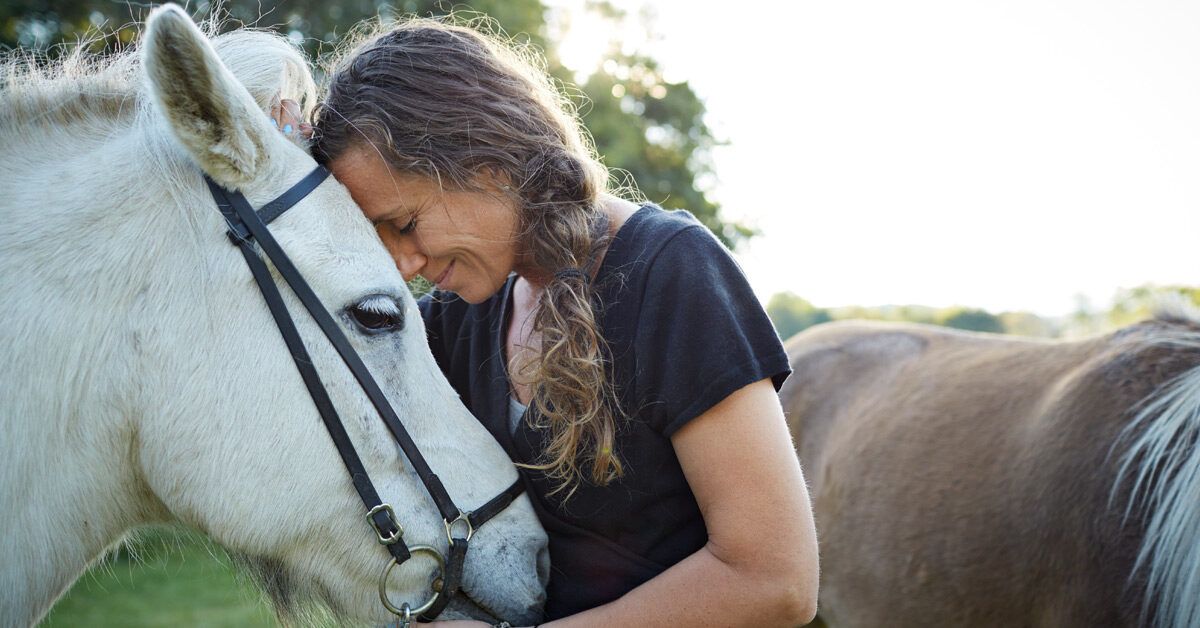
Living with chronic anxiety can feel like being trapped in an relentless cycle of overthinking, muscle tension, and heightened vigilance. While traditional office-based talk therapies offer significant healing for many, sitting in a small, enclosed room discussing deep-seated worries can sometimes heighten feelings of pressure or cause individuals to feel emotionally blocked. For those who find it challenging to articulate their inner distress through conventional verbal means, experiential, nature-based interventions offer a transformative alternative path toward emotional regulation.
Equine-assisted therapy—a structured approach where licensed mental health professionals incorporate horses into the therapeutic process—has gained immense recognition within integrative psychiatry. Unlike standard animal-assisted visits, this form of therapy focuses on non-riding, ground-based interactions that encourage patients to develop self-awareness, emotional grounding, and authentic communication skills. By taking treatment outside clinical walls and into an outdoor environment, individuals are given space to process complex emotions in real time.
Whether you are navigating generalized anxiety disorder, social anxiety, or trauma-related hypervigilance, partnering with a therapeutic horse provides unique, immediate feedback about your physiological and emotional states. Understanding how equine-assisted therapy works, reviewing the physiological and psychological evidence supporting its use, and knowing how to begin can help you determine if this innovative intervention aligns with your mental wellness journey.
What Equine-Assisted Therapy Is and How It Works
Equine-assisted therapy is a specialized mental health treatment that pairs a licensed therapist, an experienced equine specialist, and one or more horses with a client. It is crucial to understand that equine therapy is not a basic recreational horseback riding lesson or an informal petting session. Instead, it is an evidence-informed therapeutic methodology designed to address specific clinical goals outlined in a client's treatment plan. Crucially, the vast majority of equine-assisted mental health programs take place entirely on the ground, meaning participants never need to mount or ride the animal.
During a typical session, clients participate in structured, hands-on tasks such as grooming, haltering, leading, feeding, or observing horse interactions within a pasture or arena. The profound therapeutic value of these tasks stems directly from the biological and psychological nature of horses. As prey animals, horses have evolved over millions of years with an exceptionally acute sensory awareness. To survive in the wild, they must constantly evaluate their environment for subtle shifts in predator behavior, reading minute changes in body language, breathing patterns, muscle tension, and heart rates from impressive distances.
When a client approaches a horse, the animal instinctively detects and reflects the client's internal emotional state. If a client approaches while secretly feeling panicked, rigid, or disconnected, the horse may respond by keeping its distance, shifting restlessly, or mirroring that tension. Conversely, when the client practices grounding techniques, slows their breathing, and brings their emotional state into congruent alignment, the horse often settles, moves closer, or lowers its head. This non-judgmental, immediate biological biofeedback allows clients to observe the external impact of their hidden anxiety, offering a powerful mirror for inner psychological dynamics.
Evidence-Based Benefits and Targeted Symptoms
Emerging neurobiological research and clinical trials demonstrate that equine-assisted interventions can yield significant physiological and psychological benefits for individuals struggling with anxiety and stress disorders. By working within an active, multisensory environment, clients often achieve therapeutic breakthroughs faster than they might through static cognitive exercises alone.
- Reduction in Physiological Hyperarousal: Engaging with a calm animal in an outdoor setting helps down-regulate an overactive sympathetic nervous system, shifting the body out of a fight-or-flight response into a parasympathetic state characterized by lower blood pressure and reduced cortisol levels.
- Development of Real-Time Mindfulness: Because horses demand complete presence for safe and effective interaction, clients are gently pulled out of anxious rumination about the past or future and anchored into the immediate present moment.
- Immediate Somatic Biofeedback: Horses respond directly to non-verbal cues, helping clients build somatic awareness—the ability to recognize physical signs of anxiety such as shallow breathing or clenching muscles before panic escalates.
- Establishment of Healthy Boundaries: Communicating effectively with a 1,000-pound animal requires clear, calm, and assertive energy. Clients learn to establish firm physical and emotional boundaries without resorting to aggression or passive submission.
- Enhancement of Emotional Congruence: Anxious individuals often mask their feelings to appear calm to others. Horses ignore external masks and respond only to authentic internal states, teaching clients the value of acknowledging their true emotions.
- Boosted Agency and Self-Efficacy: Successfully leading, grooming, and connecting with a large animal fosters a profound sense of personal accomplishment, directly counteracting feelings of powerlessness brought on by severe anxiety.
The therapeutic mechanism rests heavily on the concept of co-regulation. Just as an infant's nervous system calms through contact with a peaceful caregiver, an anxious human nervous system can synchronize with the steady, slow heart rate and grounded presence of a relaxed horse. This somatic experience retrains the brain to recognize safety, creating new neural pathways that support resilience and long-term emotional stability.
How to Prepare for Your First Equine Therapy Session
Stepping into an equine therapy arena for the first time can provoke mild apprehension, particularly if you have little to no prior experience around large livestock. Preparation can help ease initial jitteriness and allow you to enter your first session with an open, receptive mind. First and foremost, comfortable, weather-appropriate clothing is essential. Because sessions take place outdoors or in covered arenas, you should dress in layers that you do not mind getting dirty. Closed-toe shoes—preferably sturdy boots or durable sneakers—are mandatory to protect your feet in the barn environment.
When you arrive, your treatment team will begin by reviewing basic safety protocols and establishing comfort levels. You will never be forced to interact with a horse beyond your boundary limits. If your anxiety feels overwhelming, your session may simply consist of sitting on a bench near the pasture fence, watching the herd graze while discussing your observations with your therapist. As your comfort grows, you will gradually be invited to step into the arena, approach an animal, and engage in basic hands-on tasks like brushing or leading.
It is important to remember that perfection is not the goal in equine therapy. There are no right or wrong ways to perform grooming or leading tasks, nor are you being judged on horsemanship skills. If a horse walks away or does not yield to your guidance, it is not a failure; rather, it is a rich therapeutic moment. Your therapist will help you pause, observe what happened, check in with your emotional state, and try a different approach, transforming everyday barn interactions into powerful life lessons about patience, flexibility, and self-compassion.
Finding a Qualified Specialist and Integrating EAT Into Your Care Plan
To ensure that equine-assisted therapy is both safe and clinically effective, it is critical to seek out qualified, credentialed professionals. A legitimate equine therapy practice always involves a licensed mental health professional—such as a licensed clinical social worker, marriage and family therapist, counselor, or psychologist—working alongside a certified equine specialist. Look for practitioners certified through recognized professional bodies that enforce rigorous safety, clinical, and animal welfare standards.
When interviewing potential providers, do not hesitate to ask detailed questions about their credentials, their clinical framework, and the welfare of their horses. Ask how they integrate clinical goals into equine activities, what safety protocols are enforced, and how they handle situations where a client experiences acute panic or emotional distress in the arena. A reputable provider will welcome these inquiries and clearly explain how their program maintains a secure, supportive therapeutic environment.
Equine-assisted therapy is rarely meant to replace all other forms of care; instead, it works best when integrated into a comprehensive, multi-faceted mental health strategy. Many individuals utilize equine sessions alongside traditional cognitive behavioral therapy, dialectical behavior therapy, or medical management prescribed by a psychiatrist. The somatic breakthroughs and relational insights gained in the arena can be brought back to traditional office sessions for further cognitive processing, creating a well-rounded and deeply integrative treatment plan.
Frequently Asked Questions About Equine Therapy
Do I need prior experience with horses or riding skills to participate?
No prior experience with horses or horsemanship is required to participate in equine-assisted therapy. In fact, having no previous background with horses can sometimes be advantageous, as it allows you to enter the experience without preconceived notions or established habits. Furthermore, equine mental health therapy focuses entirely on ground-based interactions such as grooming, leading, and observing. Riding is generally not a component of these clinical sessions, ensuring that the focus remains entirely on emotional connection, boundary setting, and real-time behavioral reflection.
Is equine-assisted therapy safe for people with severe anxiety or animal phobias?
Equine-assisted therapy is designed to be extraordinarily safe, highly structured, and carefully controlled. Therapy horses are specifically selected and rigorously trained for their gentle temperaments, low reactivity, and high tolerance for human emotional distress. If you struggle with severe anxiety or a fear of large animals, your therapist will work strictly within your comfort zone. You can start by viewing the horses from outside a fence or holding a brush while standing several feet away, gradually reducing desensitization and building trust at a pace that feels safe for you.
How does equine therapy differ from traditional pet therapy or emotional support animals?
While emotional support animals and informal pet therapy visits primarily provide comfort, affection, and stress relief through passive companionship, equine-assisted therapy is an active, goal-driven clinical intervention. It is facilitated by licensed mental health professionals who construct targeted exercises to address diagnostic mental health criteria. Furthermore, unlike domestic pets that often seek human approval unconditionally, horses maintain strong herd-based relational boundaries and offer immediate, unbiased biofeedback based on human physiological and emotional outputs, making them uniquely effective partners in complex psychological work.
Conclusion and Final Takeaways
Overcoming chronic anxiety requires finding therapeutic approaches that resonate deeply with your unique emotional and physical needs. Equine-assisted therapy offers a powerful, experiential modality that bypasses cognitive defensiveness and taps directly into nervous system regulation. By shifting the clinical paradigm from indoor verbal exchange to outdoor somatic connection, individuals learn to navigate hypervigilance, establish authentic boundaries, and build lasting self-confidence in the reassuring presence of majestic, perceptive animals.
If traditional talk therapies have left you feeling stuck or if you long for an active, nature-centered approach to emotional healing, equine-assisted therapy may offer the breakthrough you need. By working with credentialed mental health professionals and gentle therapeutic horses, you can step out of endless anxiety loops and into a grounded, present-focused state of emotional well-being. Embrace the opportunity to learn from these intuitive partners and discover a transformative path toward lasting resilience.
Leave a Reply