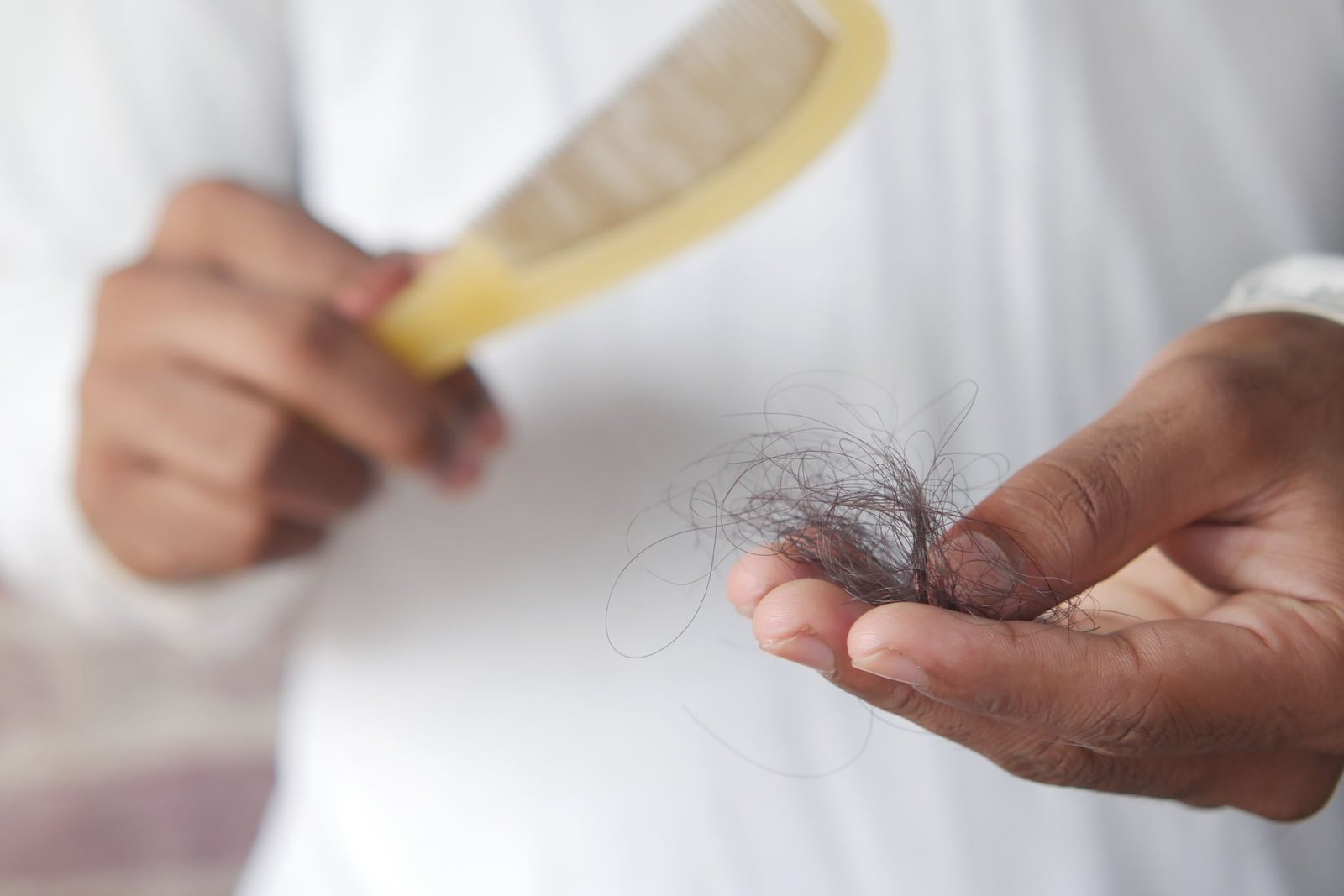
Hair loss in women can be a challenging experience, often triggered by stress, hormonal fluctuations, pregnancy, or menopause. While some temporary shedding resolves naturally as the body adjusts, progressive conditions like androgenetic alopecia typically require targeted intervention to prevent worsening over time.
Minoxidil for Hair Regrowth
Minoxidil remains one of the most widely recognized treatments for female pattern hair loss. Available over the counter in topical liquid and foam formulations, it helps stimulate hair follicles and increase density. While topical minoxidil is widely approved for female androgenetic alopecia, some dermatologists also prescribe low-dose oral minoxidil off-label, which clinical studies suggest can significantly improve hair density over a six-month period.
Hormonal Therapies and Spironolactone
For hair loss driven by hormonal imbalances, spironolactone is a common off-label systemic treatment. By binding to androgen receptors, this medication reduces the impact of testosterone on hair follicles. Research indicates that long-term use, typically exceeding six months, yields the most noticeable improvements, particularly for women experiencing more advanced thinning.
Treatments for Alopecia Areata
When hair loss stems from autoimmune conditions like alopecia areata, reducing inflammation is key. Corticosteroids, administered either topically or via localized injections into the scalp, are frequently utilized to calm the immune response. In more severe cases, doctors may combine low-dose corticosteroids with immunosuppressive medications to encourage regrowth.
Hair Transplant Surgery
Hair transplantation offers a permanent surgical solution by relocating active hair follicles from denser areas of the scalp to thinning regions. While highly effective, the procedure carries standard surgical risks such as localized infection or temporary shedding of transplanted hair. Additionally, because it is considered a cosmetic procedure, it is rarely covered by insurance.
Finasteride and Alternative Treatments
Finasteride is another option sometimes prescribed off-label for postmenopausal women, working by blocking the conversion of testosterone into dihydrotestosterone. Other emerging and alternative therapies include platelet-rich plasma injections, botulinum toxin scalp injections, and newly approved JAK inhibitors, which target severe autoimmune hair loss.
Leave a Reply